Garage door repair and install for Milliken, CO homes built mostly around 2004. Loveland Garage Door Pros travels 13 miles out to handle springs, openers, and panels.
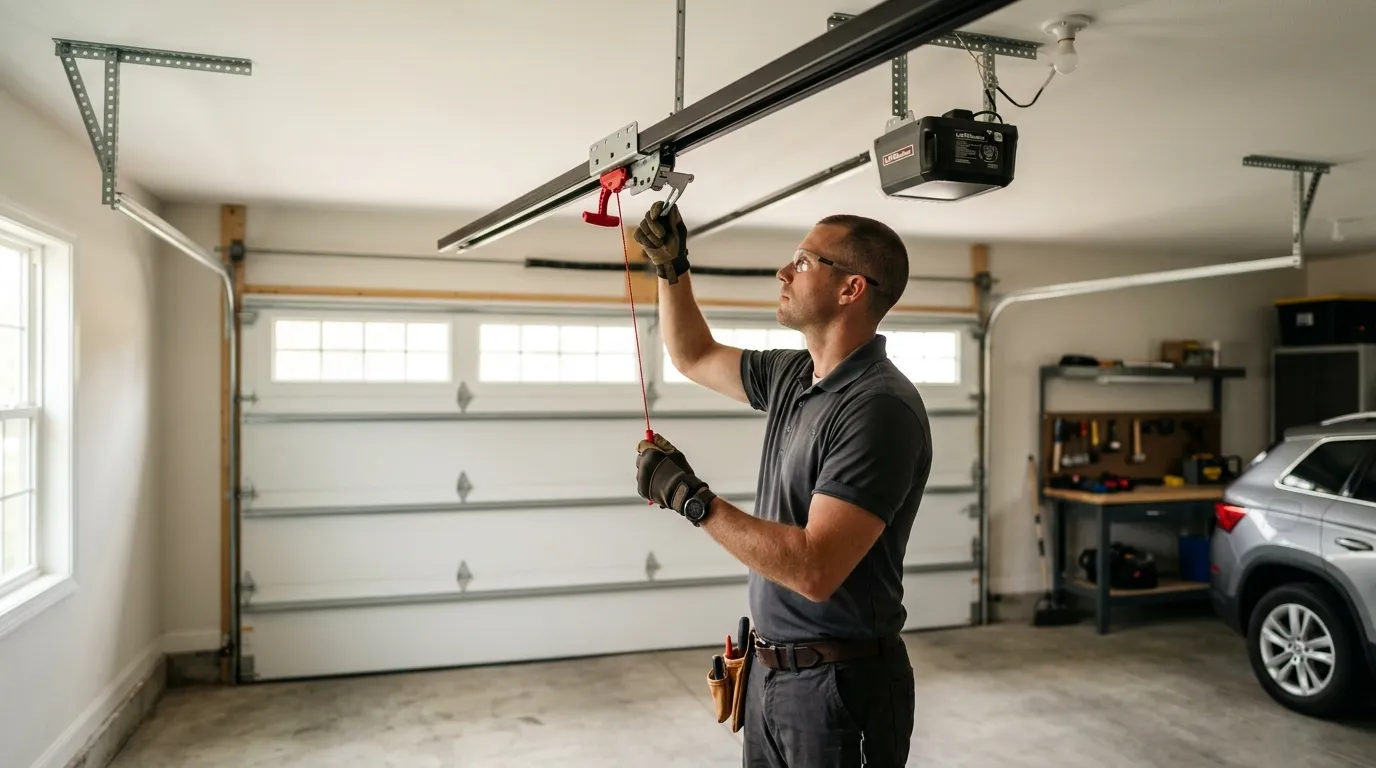
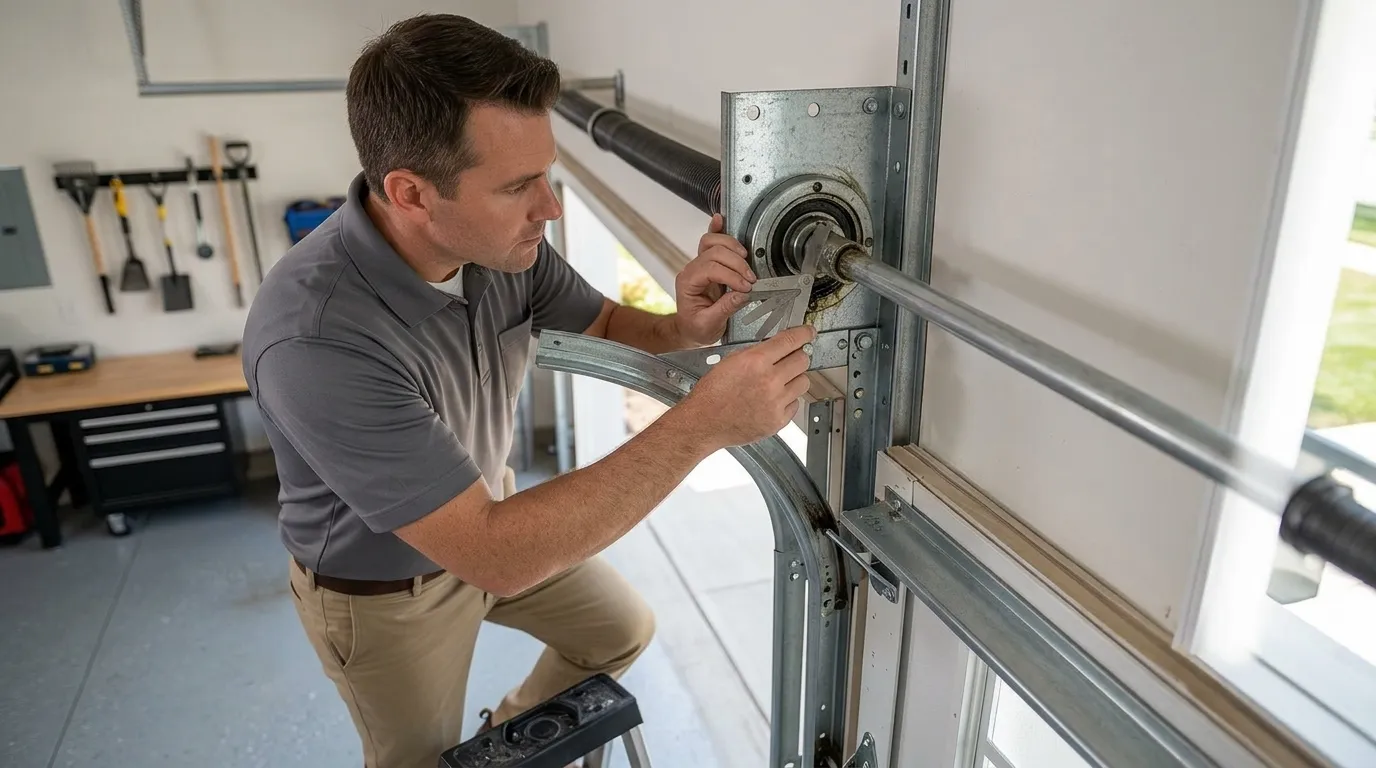
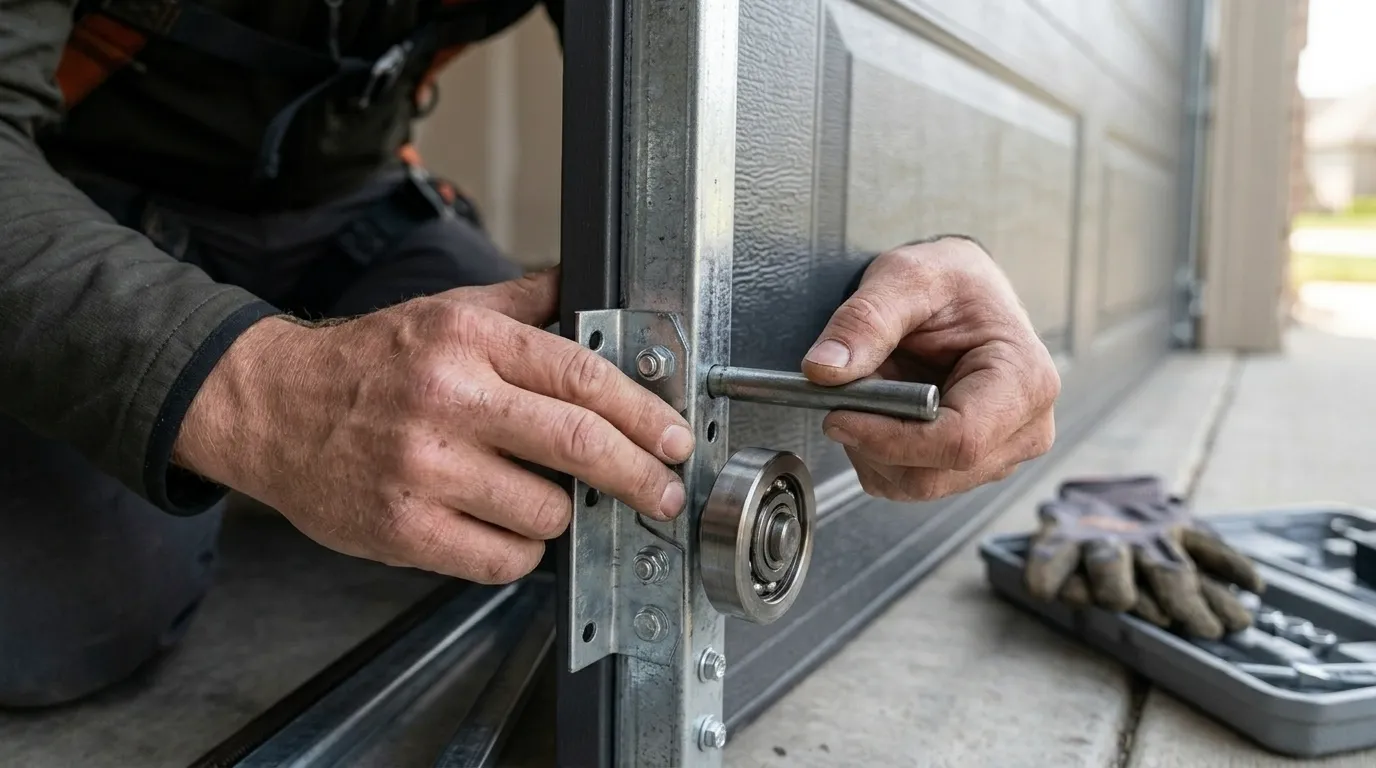
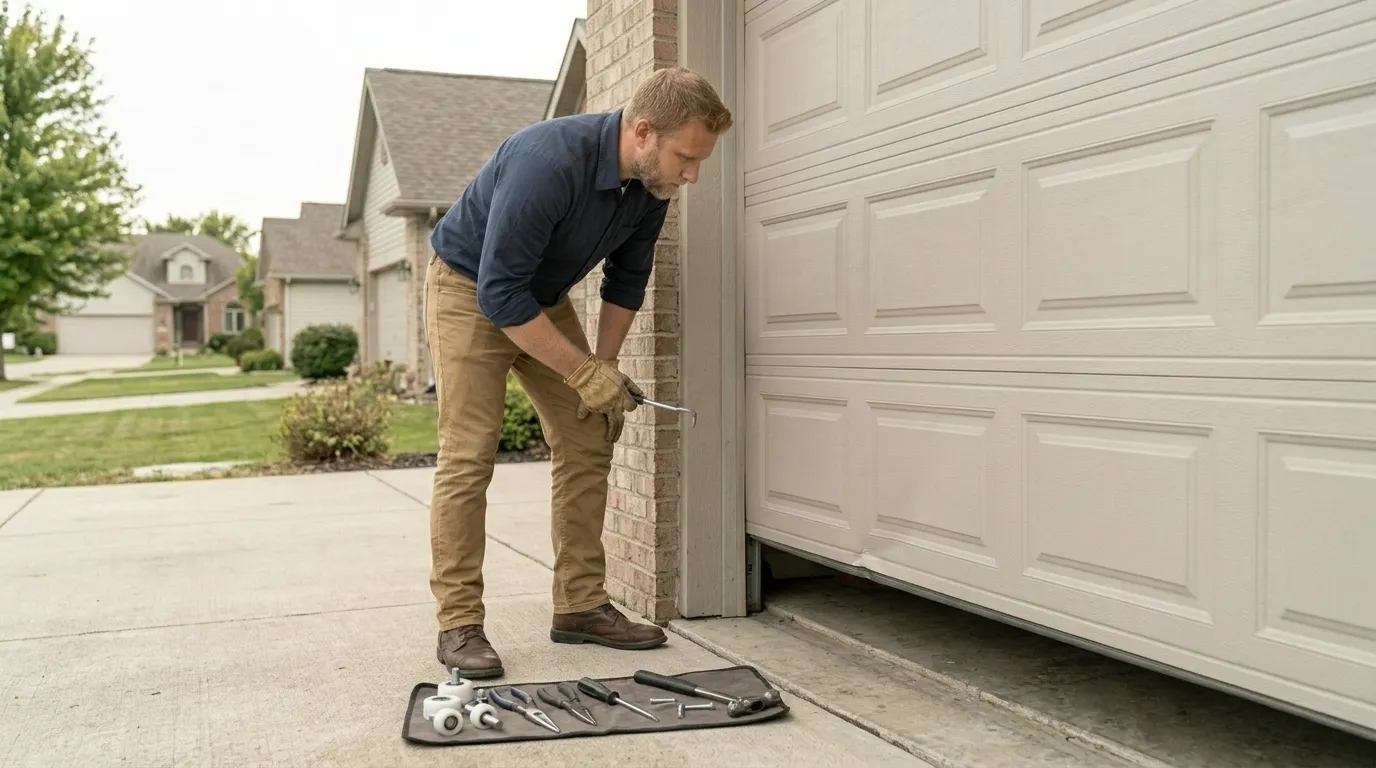
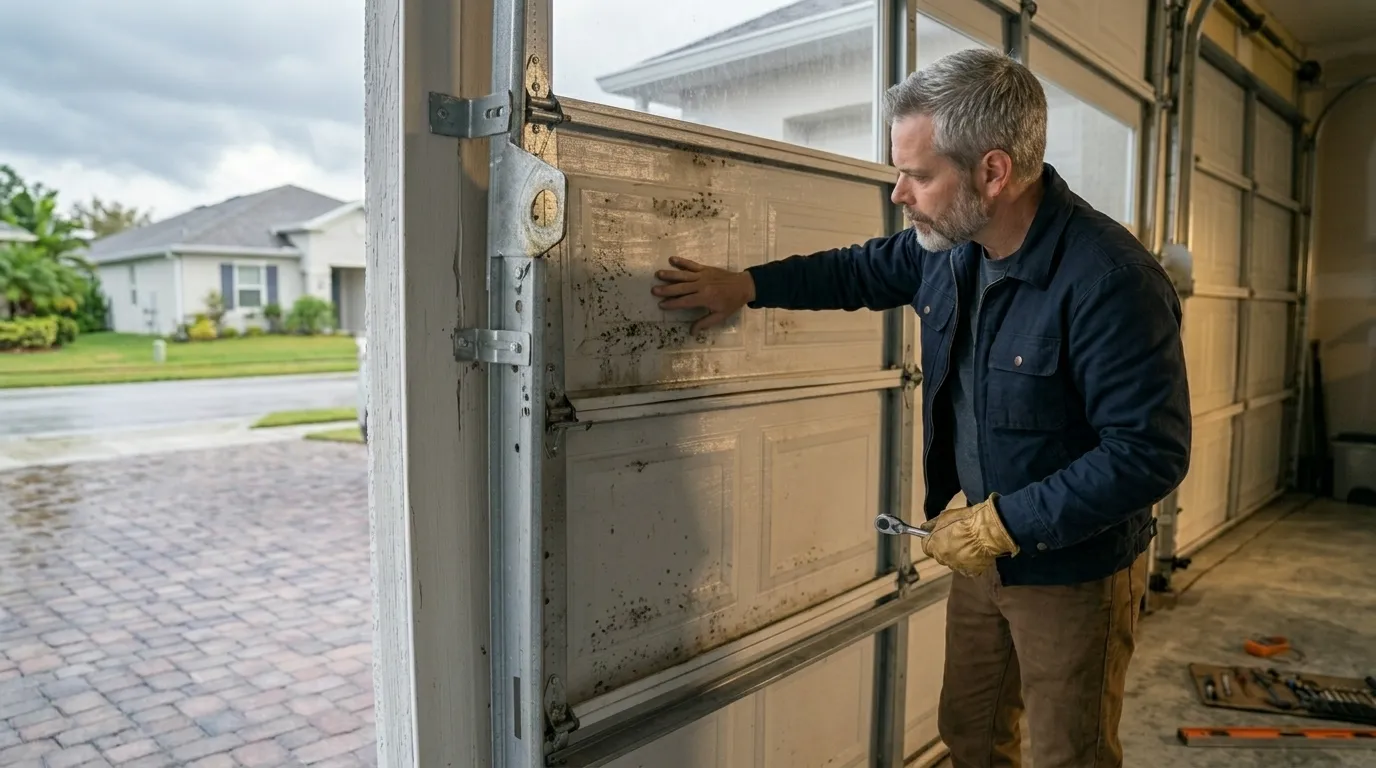
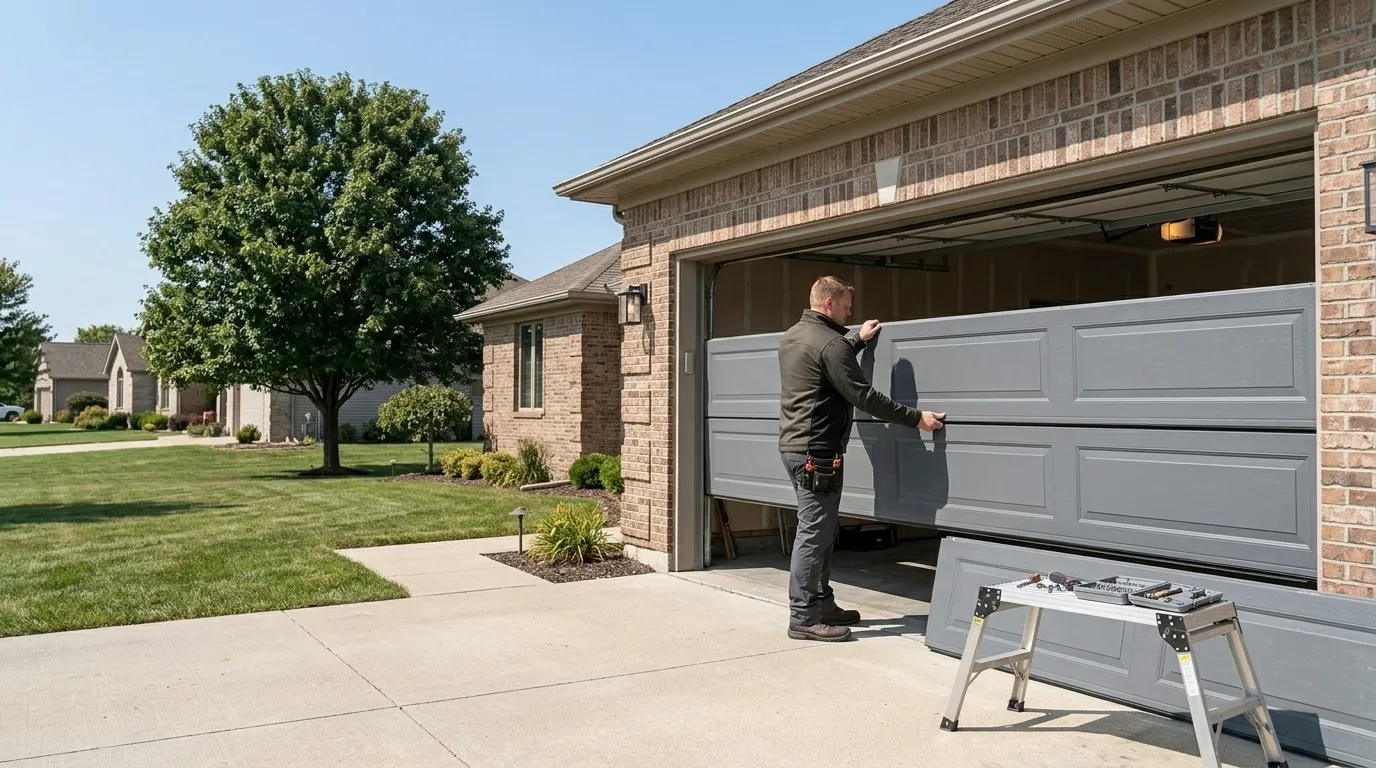
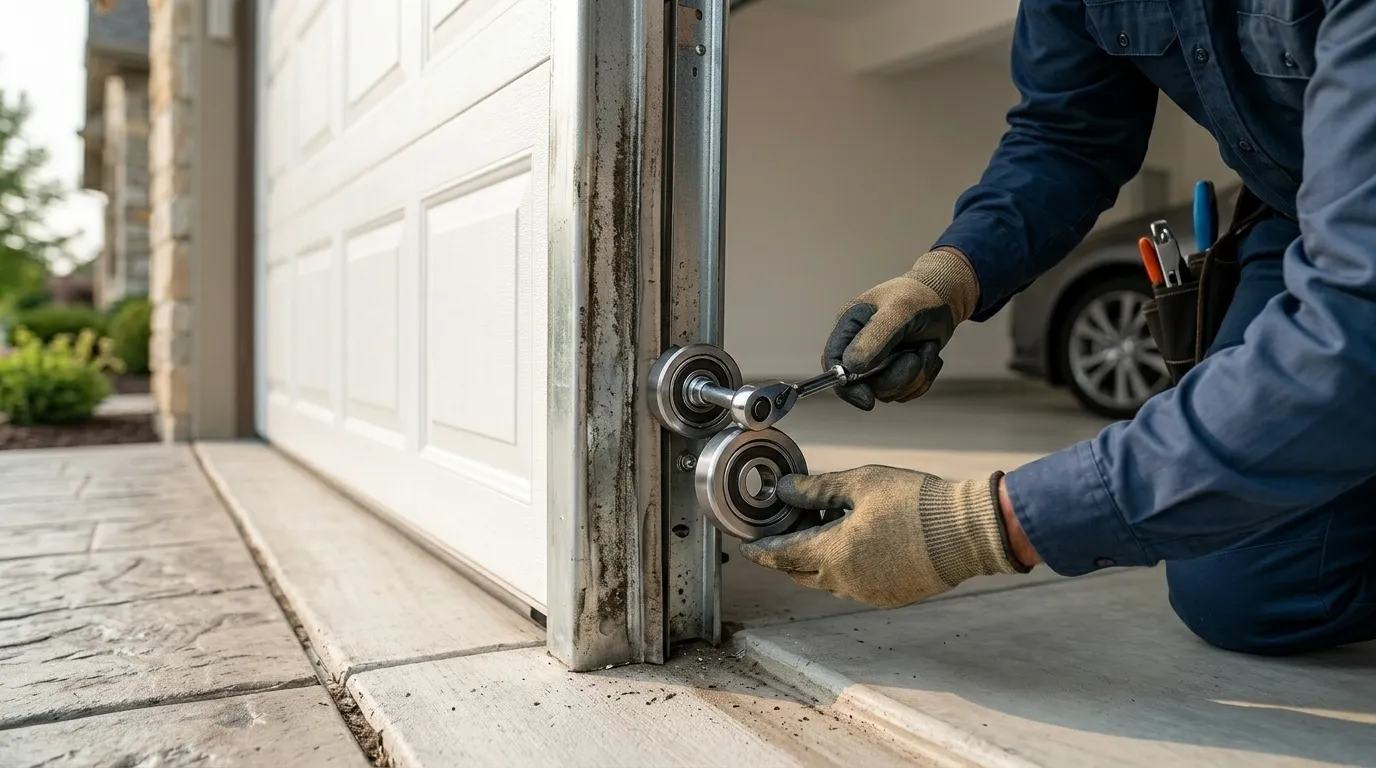
Milliken's housing stock centers on 2004, which puts most doors here well past their first spring but still on openers and tracks that are one generation newer than what you'd find in an older neighborhood. That matters because a door built around 2004 is more likely to have a factory steel torsion spring rated for the original door weight, not a heavier replacement panel someone bolted on later. The failure we see most in this build era isn't a snapped cable - it's a worn nylon idler roller or a stripped gear on a mid-2000s chain-drive opener that's finally hit the end of its duty cycle. Insulation packages from that period also vary a lot; some builders in this window used single-layer steel skins with no polystyrene core, which shows up as a door that rattles hard in wind and lets more cold through than a homeowner expects. If your door is original to the house, the hardware is roughly 20 years old, which is old enough for springs to be near end of life but young enough that most parts are still stocked rather than obsolete. That combination - newer than a 1970s door, older than a 2015 door - is the specific repair profile a tech should expect walking up to a Milliken garage.
Getting Here
Loveland Garage Door Pros runs out of Loveland, and Milliken sits about 13 miles out. That's a real drive, not a quick trip across town, so if you're weighing a same-day call against scheduling ahead, ask directly what the routing looks like for that day rather than assuming a tech is already nearby. We don't keep a depot or staff based in Milliken - every job here is a truck coming from Loveland with the parts loaded for what you told us on the phone. That's worth mentioning because it means the more specific you can be about the symptom - door won't close past halfway, opener light blinks but motor doesn't run, spring snapped and door is stuck down - the better the first trip goes without a second trip for the right part.
What Was Built Here
The area's homes cluster tightly around a 2004 median build year, which tells you more than a wide range would. A house built that year is old enough that the original garage door opener - if it's still the factory unit - is closing in on the point where the motor capacitor or the logic board starts giving out, and springs from that era are past the cycle count where fatigue failure becomes the normal way they go, not the exception. It's also young enough that the doors were built to post-1993 residential garage door standards, so you're not dealing with the older un-braced panel styles that show up in pre-1980s stock. Roughly 3,073 households make up this area, which is a small enough footprint that the housing here reads as one build wave rather than a mix of decades. If your door is original, expect the spring, the rollers, and possibly the opener's drive gear to be the parts most likely due. If a previous owner already replaced the opener once, that unit is probably newer and the door panel and hardware are the pieces still carrying the original 2004 install.
Timing on This Area
Median household income in this area runs about $100,567, which is relevant mainly for one honest reason: it tends to track with how often owners here choose full opener replacement over patching an aging unit once repair costs start climbing, rather than nursing a 20-year-old motor along. That's not a claim about anyone's specific choice - it's just the pattern that shows up when a repair bid and a replacement bid land close together. On timing itself: this region sits in a cold-climate band with severe winter conditions, and cold is hard on garage door springs specifically - steel contracts, lubricant thickens, and a spring that was already near the end of its cycle count is more likely to snap on a sub-freezing morning than in July. If your door has felt stiffer or noisier as the weather's turned, that's not your imagination, and it's worth getting looked at before it fails on you at 6 a.m. on the way to work. One limitation worth saying plainly: we don't stock every obsolete part for openers no longer in production, so a repair on a very old unit can mean a short wait on a part or a recommendation to replace instead.
How it works
From “it’s stuck” to “it’s fixed”
1
Tell us what’s wrong
Describe the symptom - won’t open, loud bang, opener runs but the door won’t move.
2
On-site diagnosis
A technician tests the door under power and by hand and finds what actually failed.
3
Clear, up-front plan
You get the fix that’s needed and what drives the cost - before any work starts.
4
Repaired & tested
The repair is done, the door is set true and tested, and the work area left clean.
Serving Loveland, CO - tell us what your door’s doing and we’ll take it from there.
About 13 miles from our base in Loveland. We don't have a location in Milliken itself, so every job is a truck dispatched from Loveland with parts loaded based on what you describe over the phone. Being specific about the symptom helps the first trip cover it without a return visit.
My house in Milliken was built in the early 2000s - what usually fails first?
With a median build year around 2004 for this area, the most common first failure is the torsion spring reaching the end of its cycle life, followed by worn rollers and aging chain-drive opener gears. These parts are generally still stocked, unlike hardware from much older homes.
Does cold weather actually affect garage door springs?
Yes. This area sits in a severe cold-climate band, and cold steel is more brittle and less forgiving under tension. A spring that's already near the end of its rated cycles is noticeably more likely to fail on a cold morning than in warmer months.
Ready to get your garage door sorted?
Tell us what it’s doing and where you are in Loveland - we’ll take it from there.