Getting a Look at It
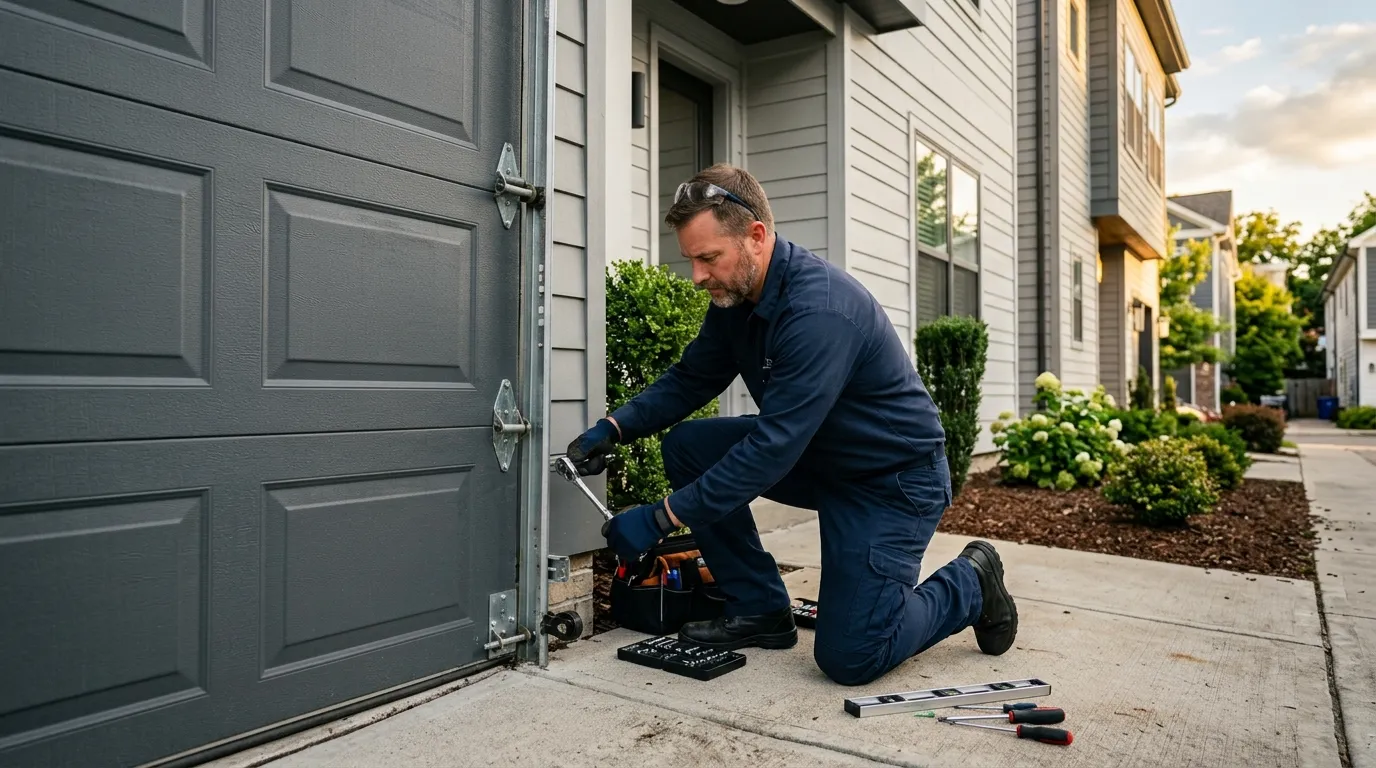
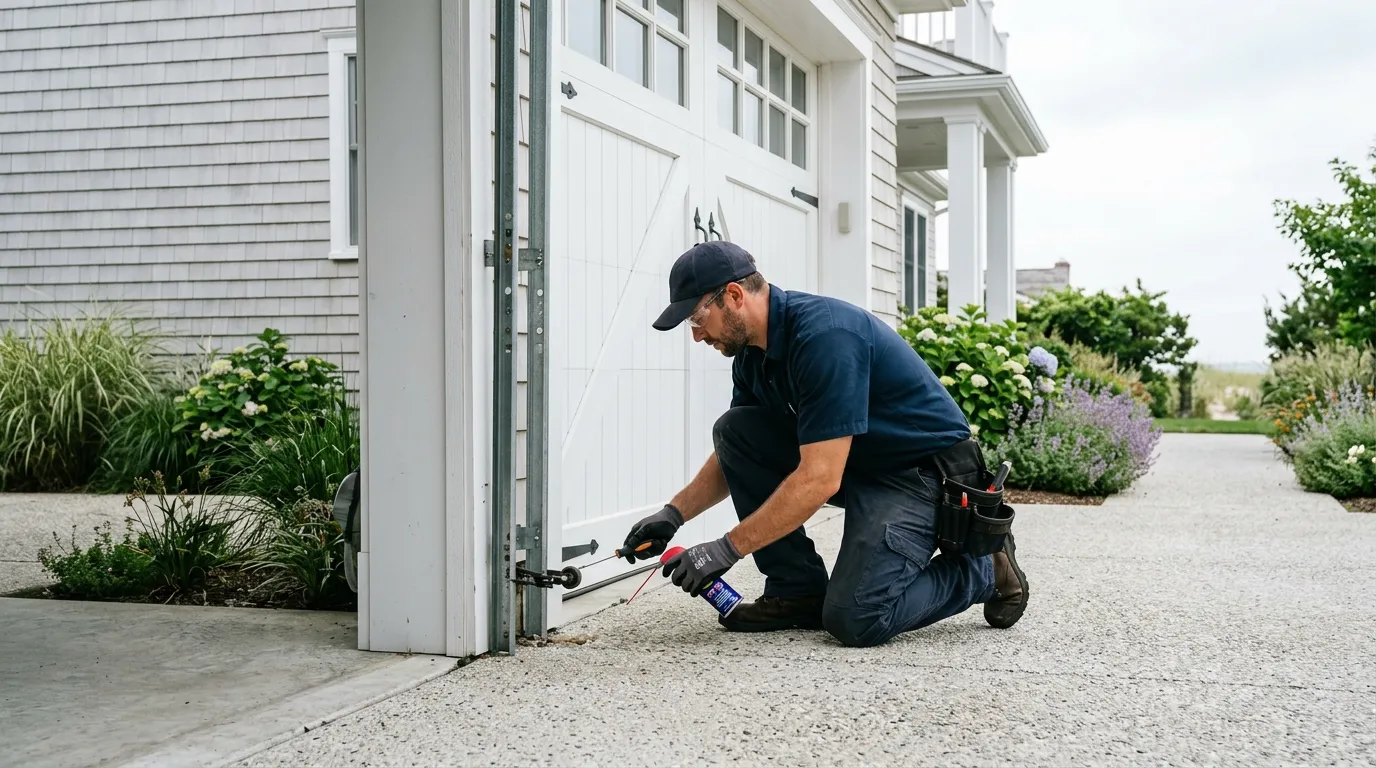
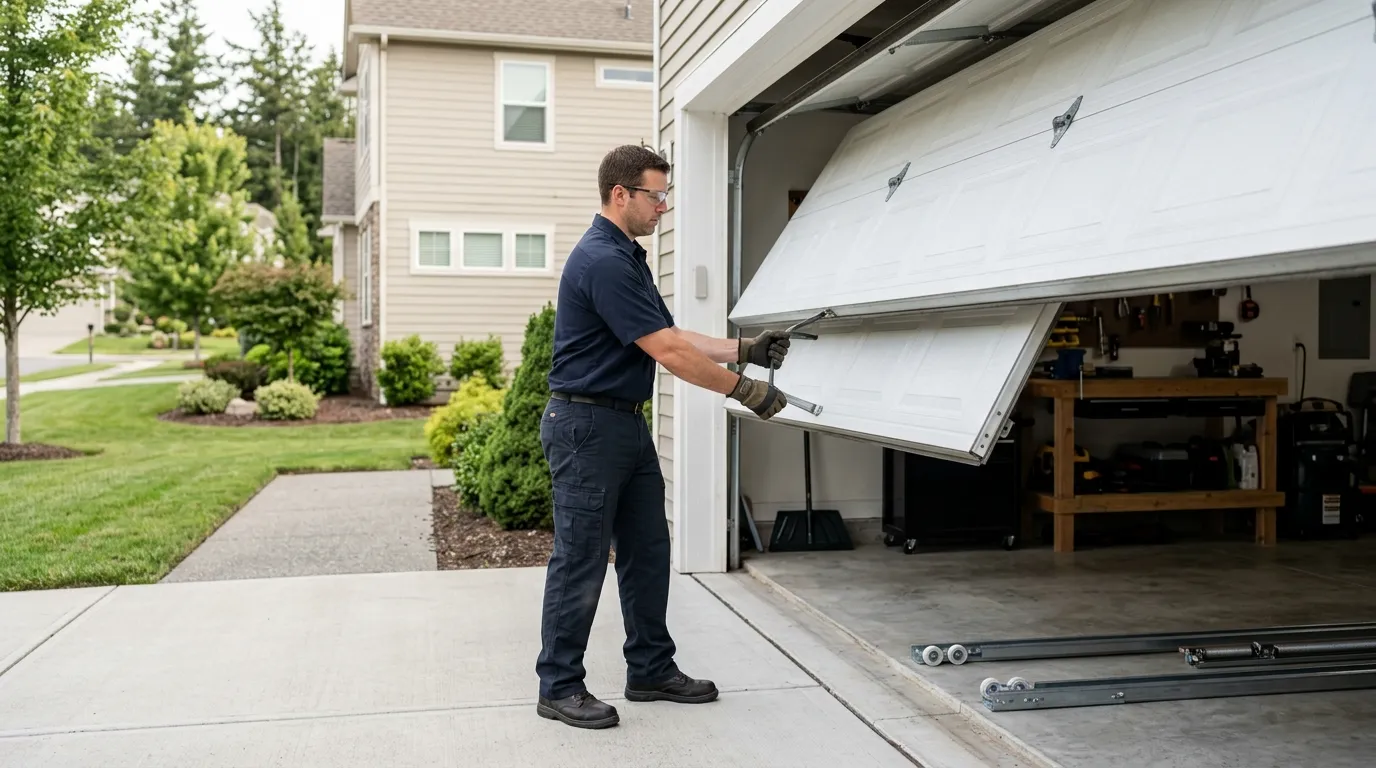
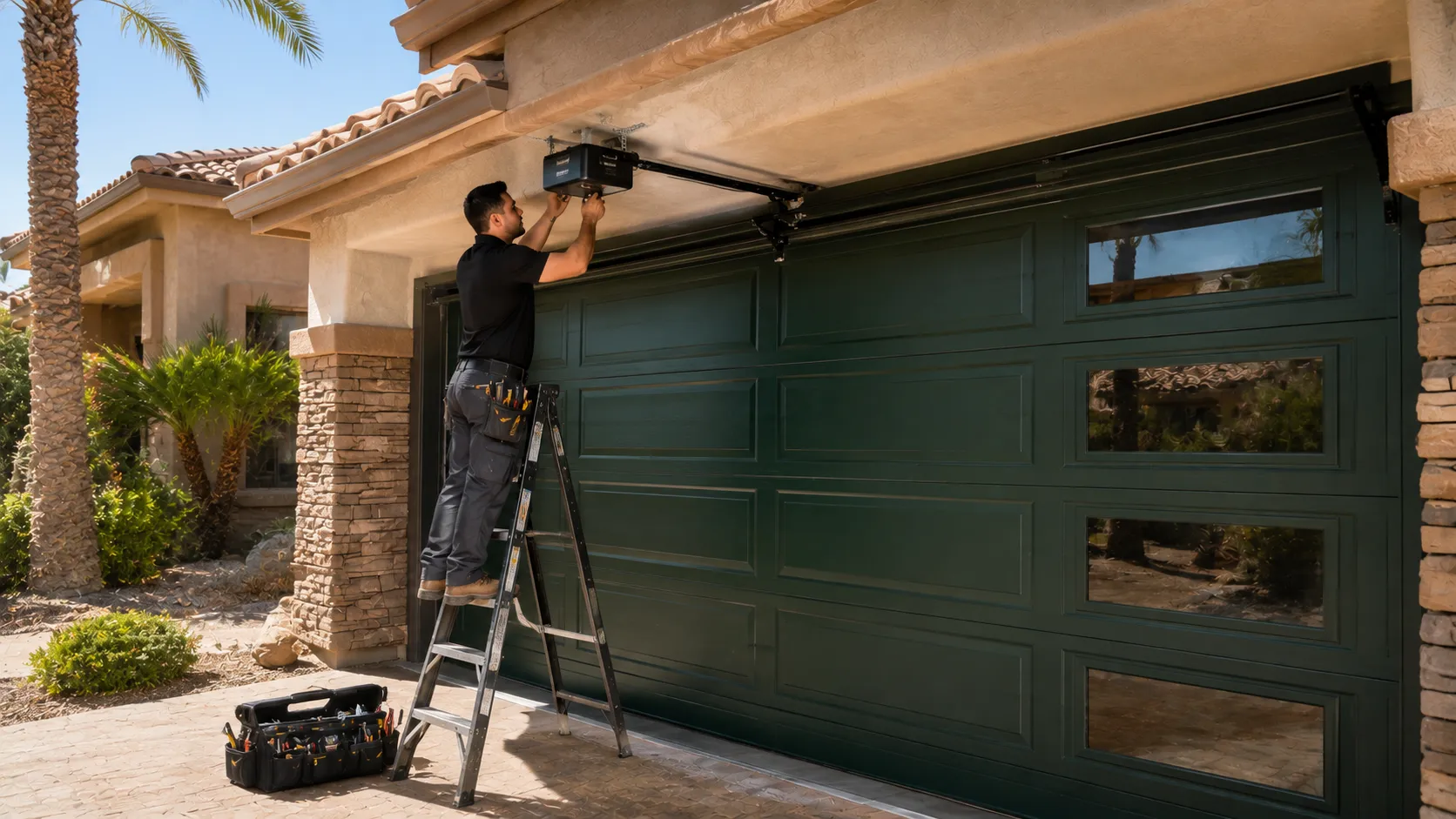
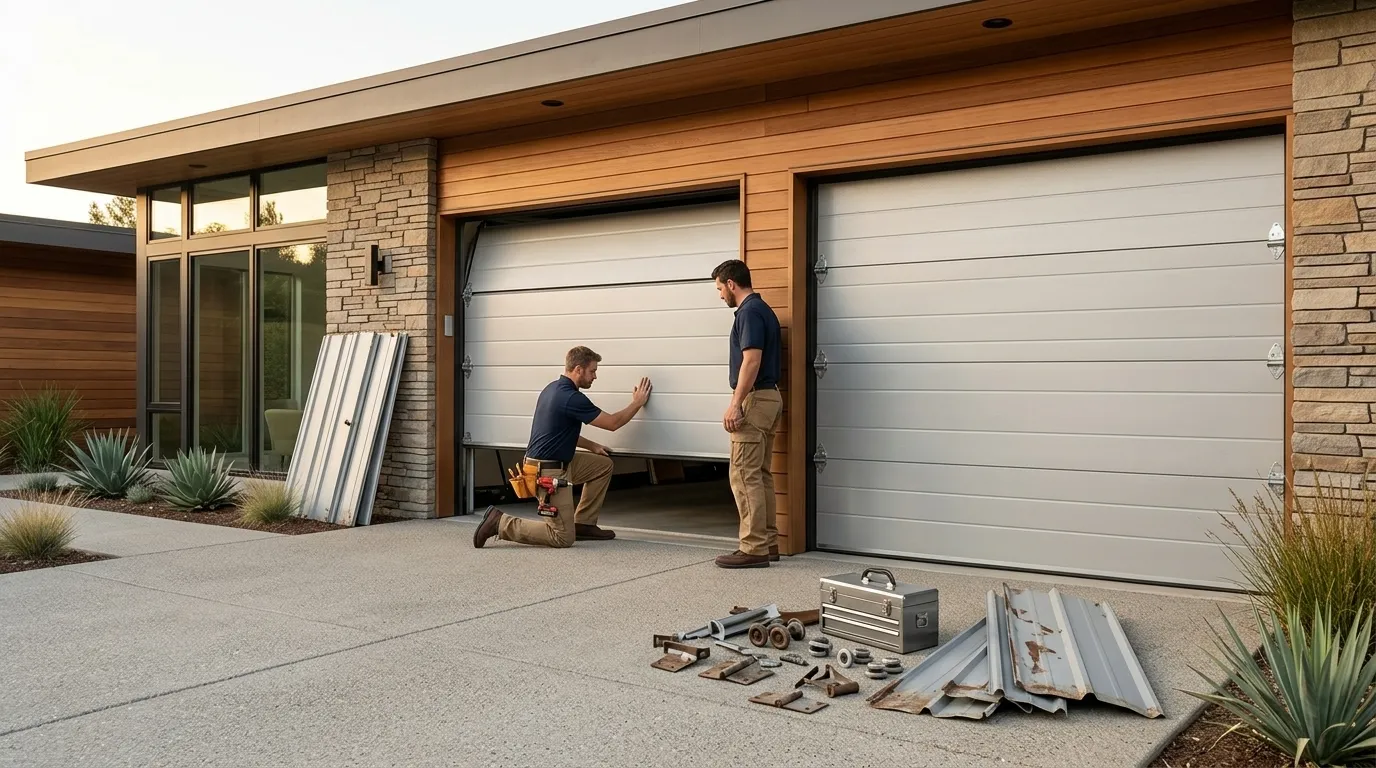
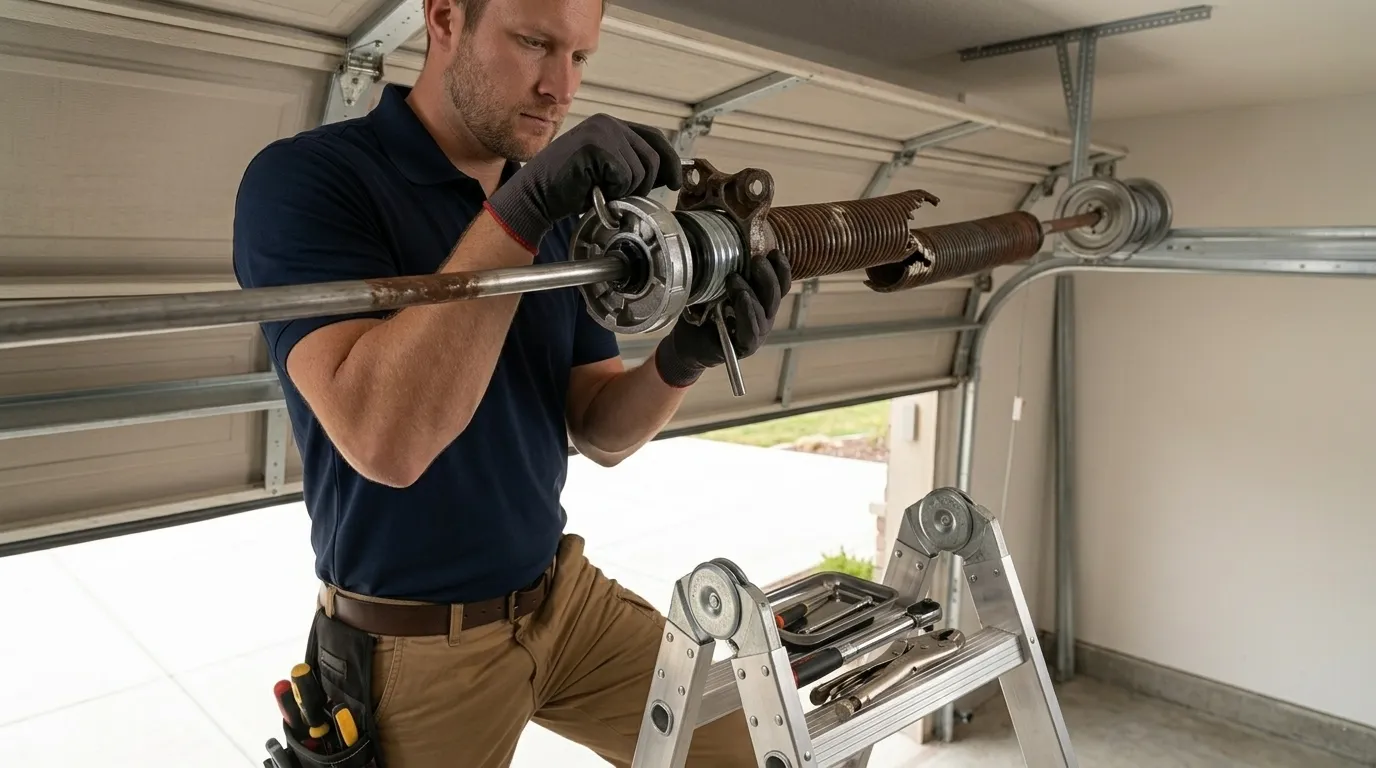
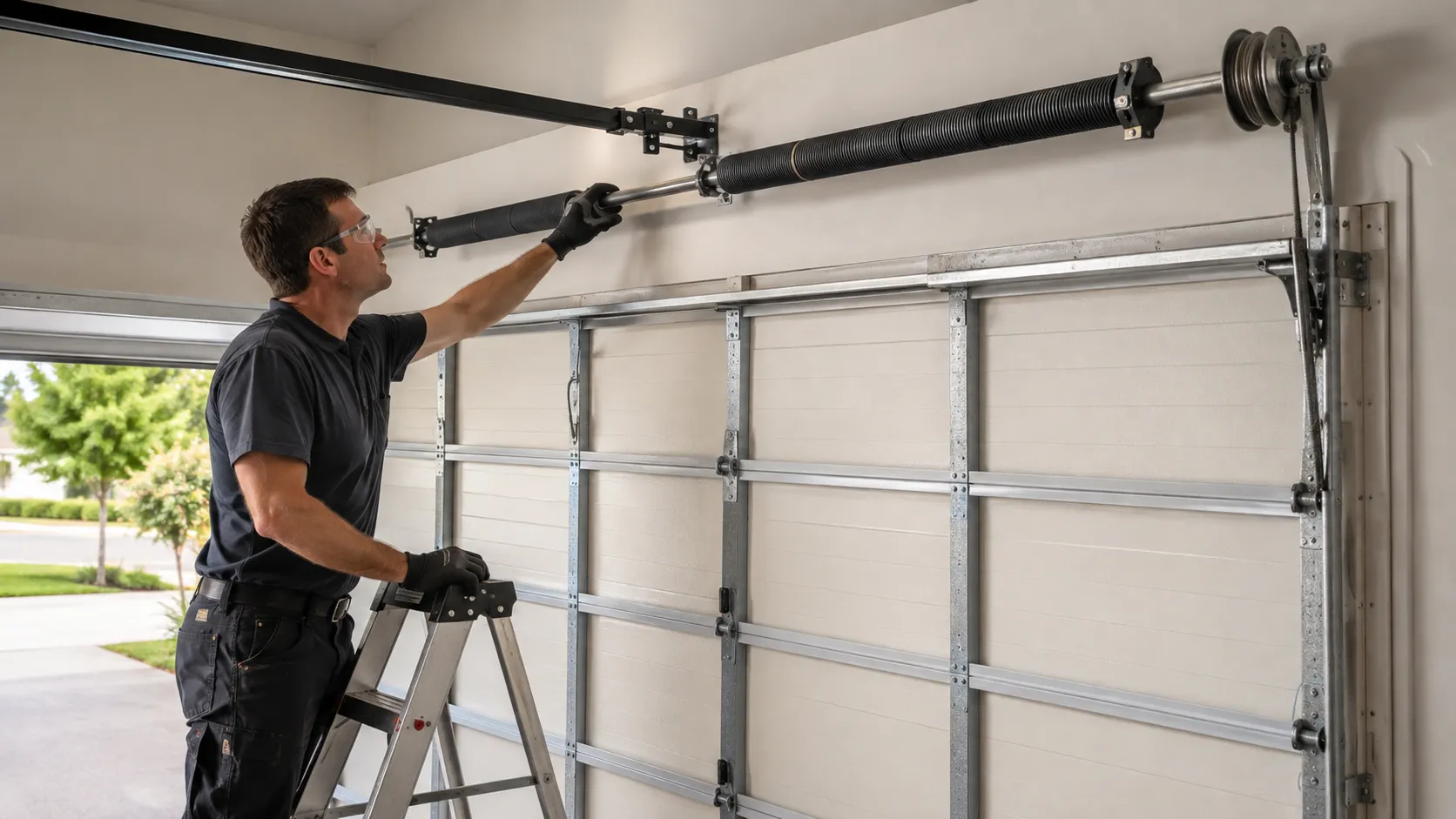
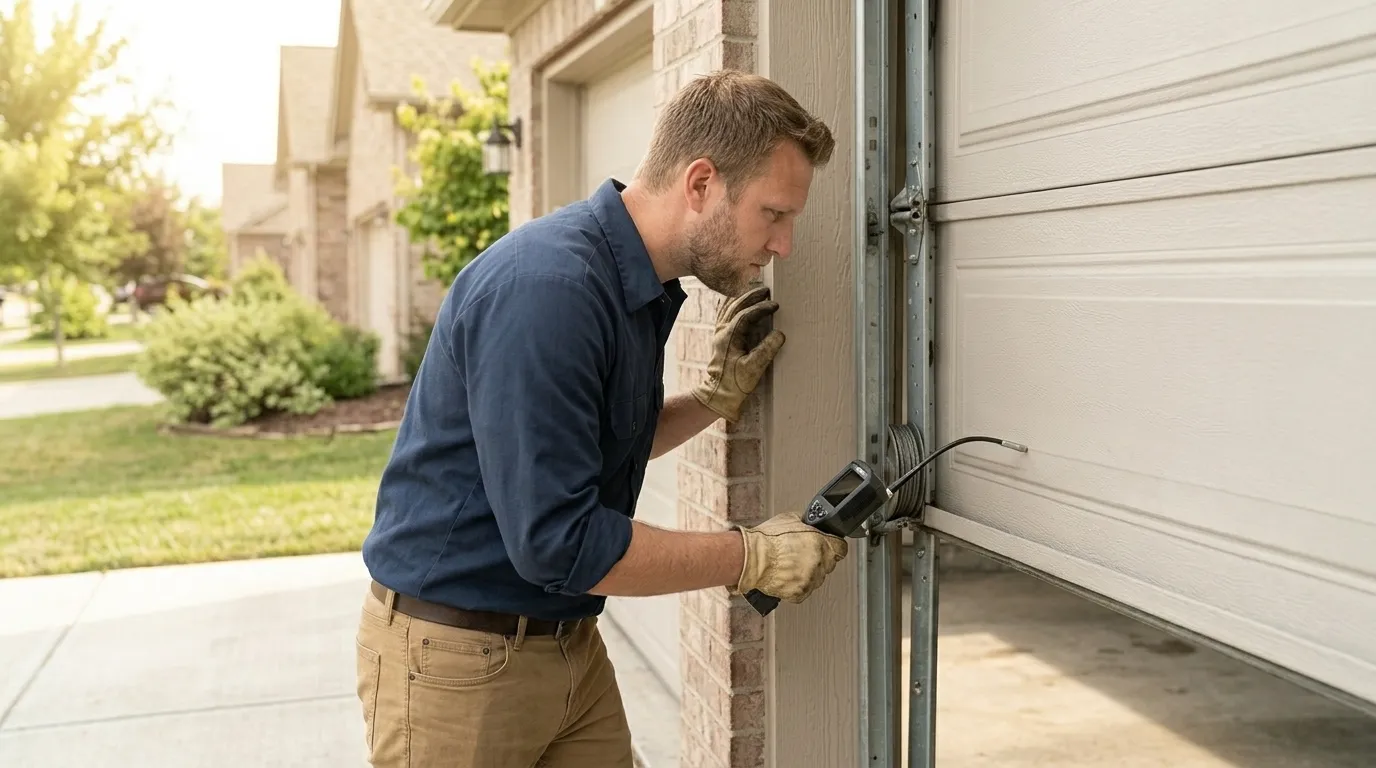
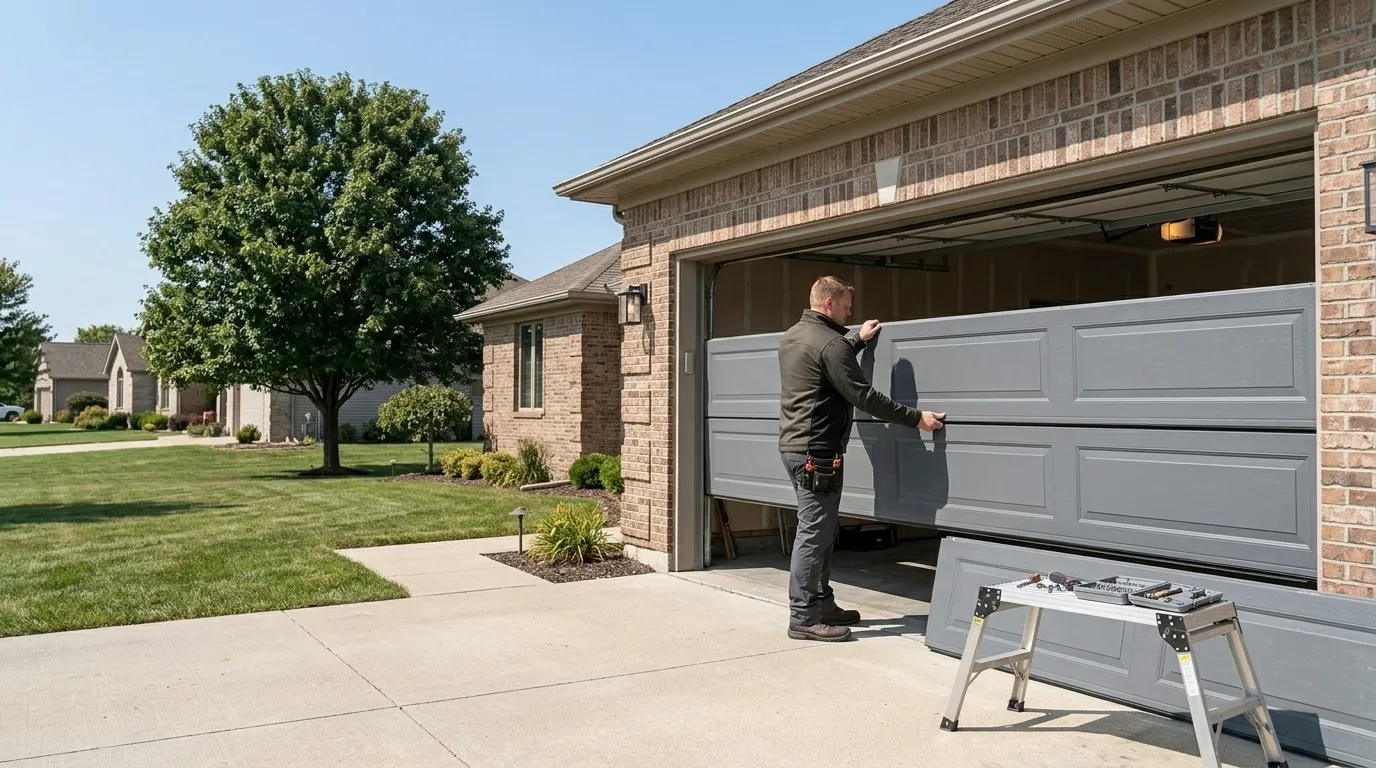
When we come out to Kings Corner, we're not starting from zero. A house built in the early or mid-2000s almost always has a steel sectional door, a torsion spring system mounted on a header bracket rather than the older side-mount style, and an opener that's original to the build unless someone's already swapped it once. That's useful, because it means the diagnosis moves fast - we're checking spring wear, checking whether the opener's drive gear has stripped (a common failure point on that generation of chain and belt units), and checking the track alignment before we ever quote a fix. What we won't do is tell you a door needs replacing just because it's loud. A lot of noise in a 2000s-built door is a roller problem or a bent track, and both are cheaper to fix than to replace around. We'll say so plainly, even when the bigger job would pay better.
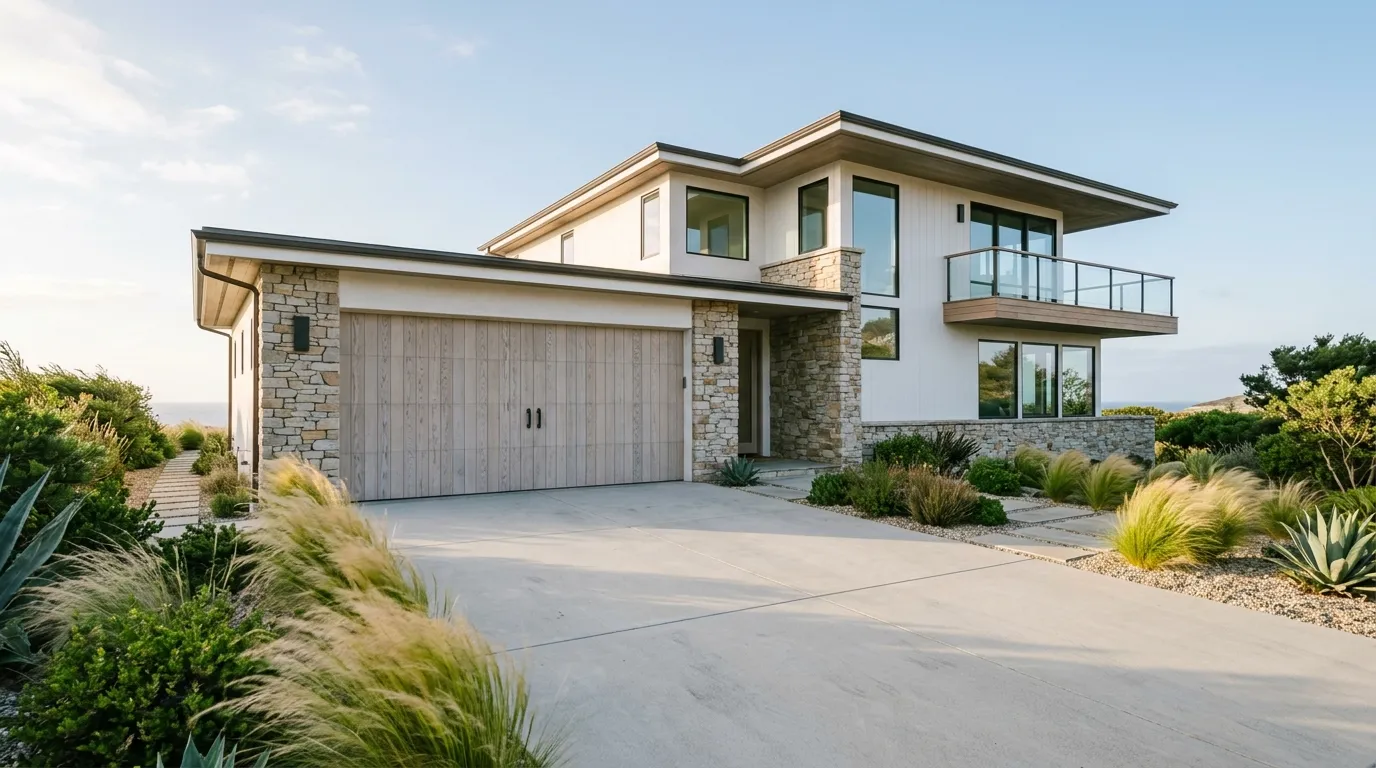
What Is on These Garages
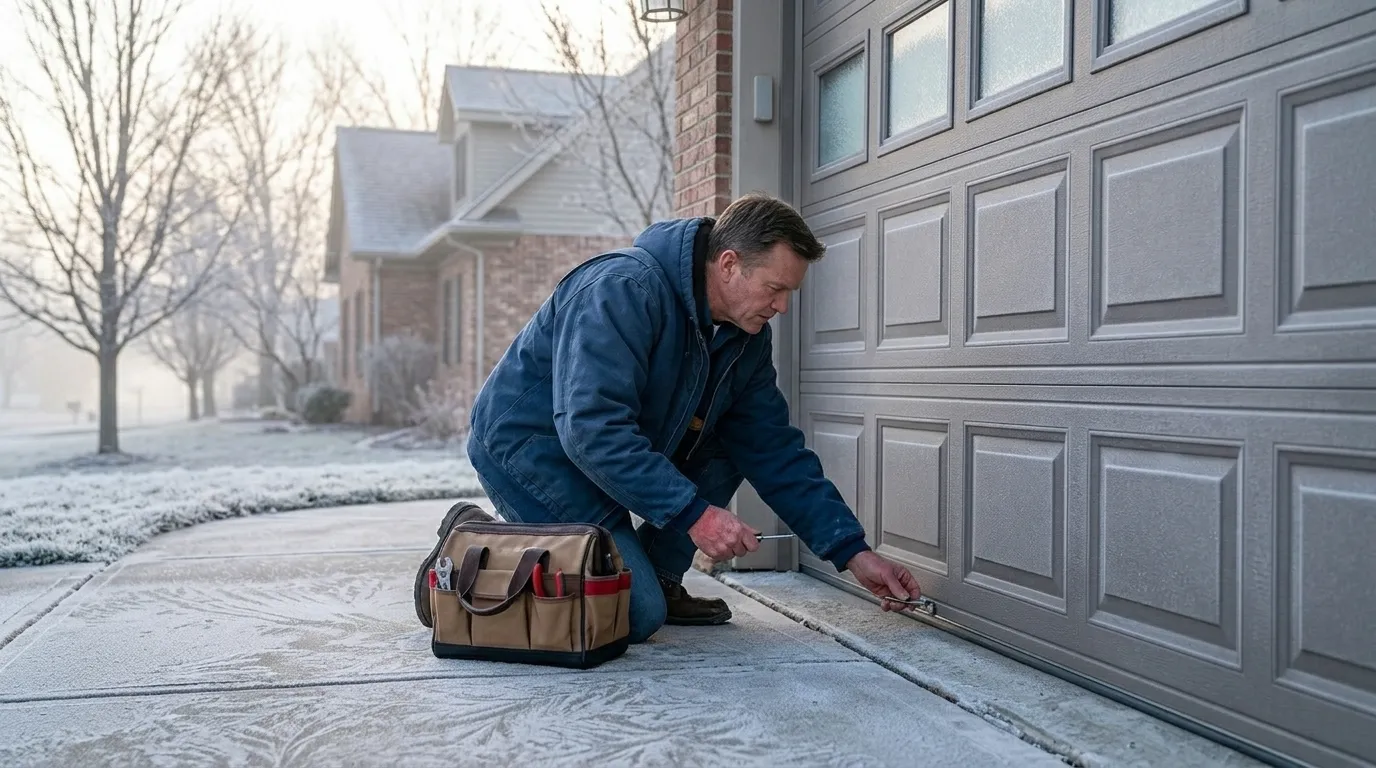
Loveland sits in a cold, severe climate band, and that matters more for garage doors than most homeowners expect. Steel panels built for this stock don't need much insulation debate - most 2000s-era doors here already came with some foam core - but the springs and the opener's cold-start torque take the real beating. A torsion spring calculated for a mild-climate garage is often undersized for what a Front Range winter does to steel tension over fifteen-plus winters, and that's usually why a Kings Corner door that worked fine in October snaps a cable in January. We size replacement springs and openers to the load and the cold, not to whatever spec sheet came stapled to the door when it was installed. That's the honest reason a straight swap-in replacement isn't always the right call, even if it's the cheaper quote on paper.