What Happens When You Call Loveland Garage Door Pros
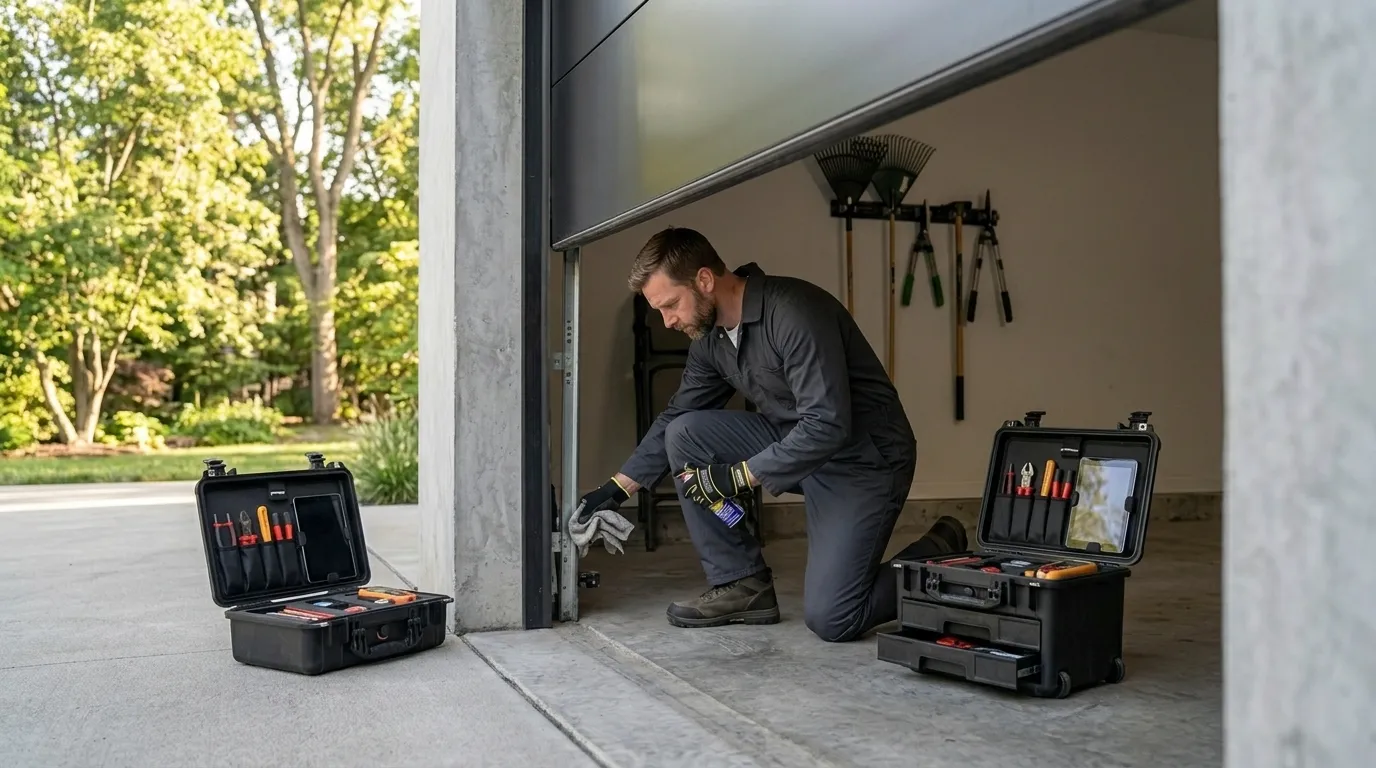
Loveland Garage Door Pros explains what a service call covers: diagnosis, parts checked for 2000s-era homes, and cold-climate seal and spring inspection.
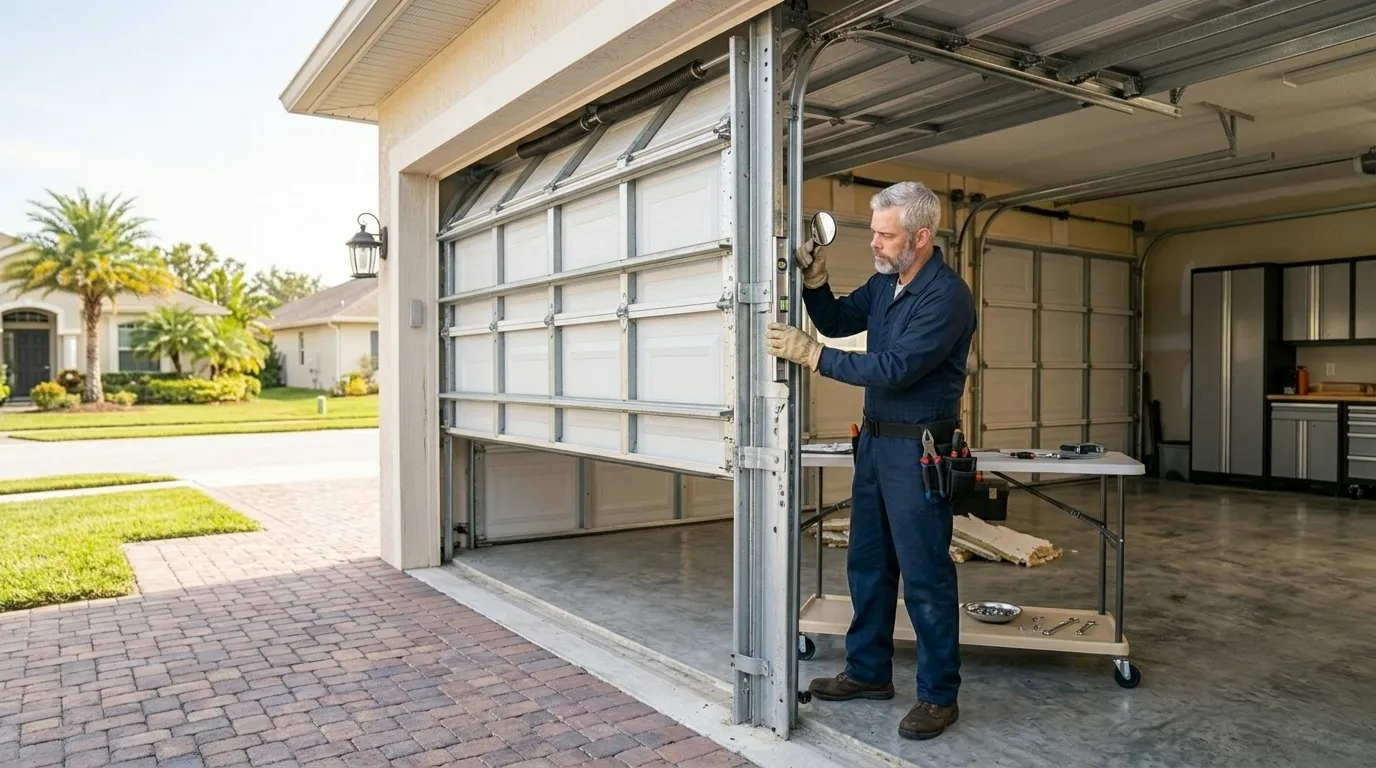
Most houses in this part of Loveland went up between 1975 and 2012, with the median build year landing around 2003, and the fourteen named areas we work in are mostly that same 2000s stock. That matters on a service call because it tells us what we're likely dealing with before the truck even pulls up - factory-installed torsion springs on a steel rollformed panel, not the older wood sectional doors or extension-spring setups you'd find in an area with an older housing base.
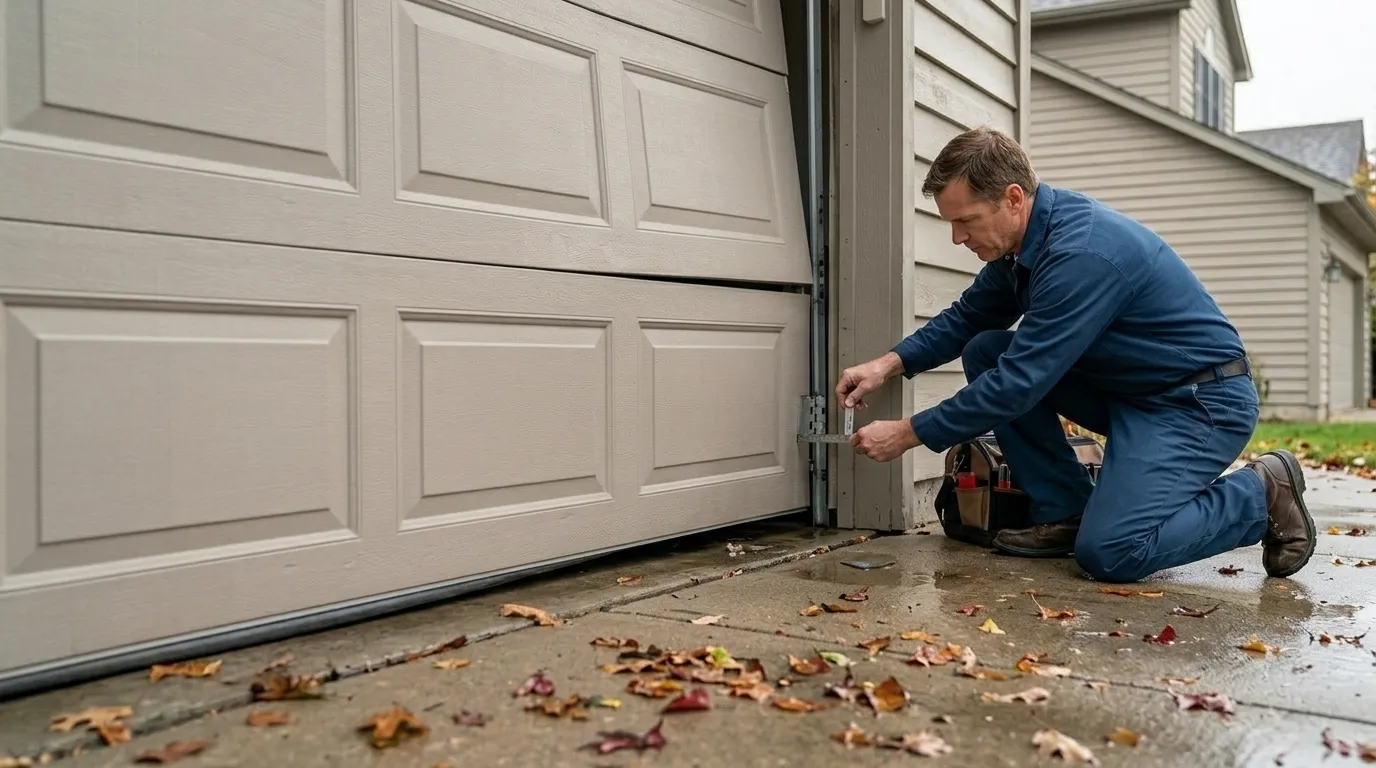
Loveland also sits in a cold-severe climate band, and that changes the checklist. A call here isn't just "is the door opening" - it's whether the bottom seal is still compressing against the slab, whether the weatherstripping around the header has gapped enough to let wind-driven cold in, and whether grease inside the opener has stiffened enough to slow the trolley. A gap that's cosmetic in a milder climate can mean iced-up rollers or a spring that snaps from cold-brittle steel here. So a real service call walks the whole envelope of the door, not just the part that's making noise.
Checking It Yourself
Before you call, a few things take five minutes and tell us a lot. Pull the manual release and lift the door by hand - if it's heavy or won't stay up on its own, a spring has likely lost tension, and that's not a DIY fix. Look at the bottom seal from outside; if daylight shows through in more than one spot, the seal has hardened, which happens faster on homes exposed to the cold-severe swings this area gets.
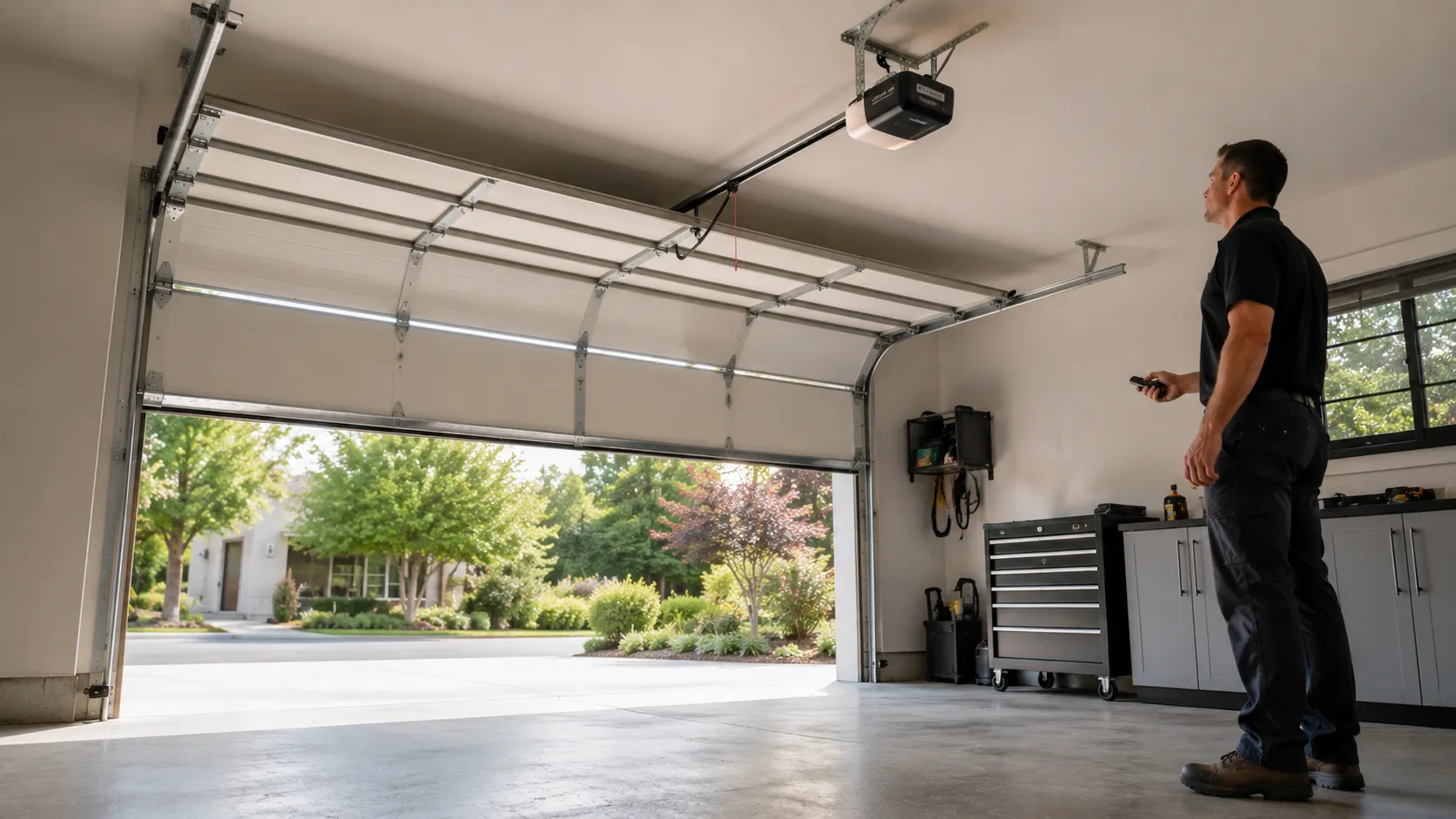
Check the opener's date or model sticker if you can reach it safely - most of the openers we see in this area's 2000s-built housing stock are original to the house, meaning the circuit board is old enough that a failure isn't a surprise. Listen for grinding versus a dull thud when the door runs; grinding usually points to a roller or track issue, a thud more often points to spring balance. None of this replaces a look from someone who does this daily, but it tells you what to describe on the phone and saves a diagnostic step once we're there.
Doing Nothing For Now
Sometimes the right answer is to wait. If a door is slow to close but still seals and the opener still has power, that's often a lubrication or track-alignment issue that won't get worse fast, and there's no reason to push a same-week repair. We'll tell you that on the phone if that's what it sounds like, rather than booking a call you don't need yet.
Here's the honest limitation: we don't carry every obscure part on the truck, especially for openers that are near end of life or doors with hardware that's no longer made. If your door was one of the original units installed when the house was built - and a lot of Loveland's stock dates to the 2000s median - a part may need to be ordered, which adds a few days. In that case we'll tell you straight whether it's worth repairing the aging unit or whether replacement makes more sense, rather than stringing along a repair on a door that's near the end of its service life.
What Is Going On
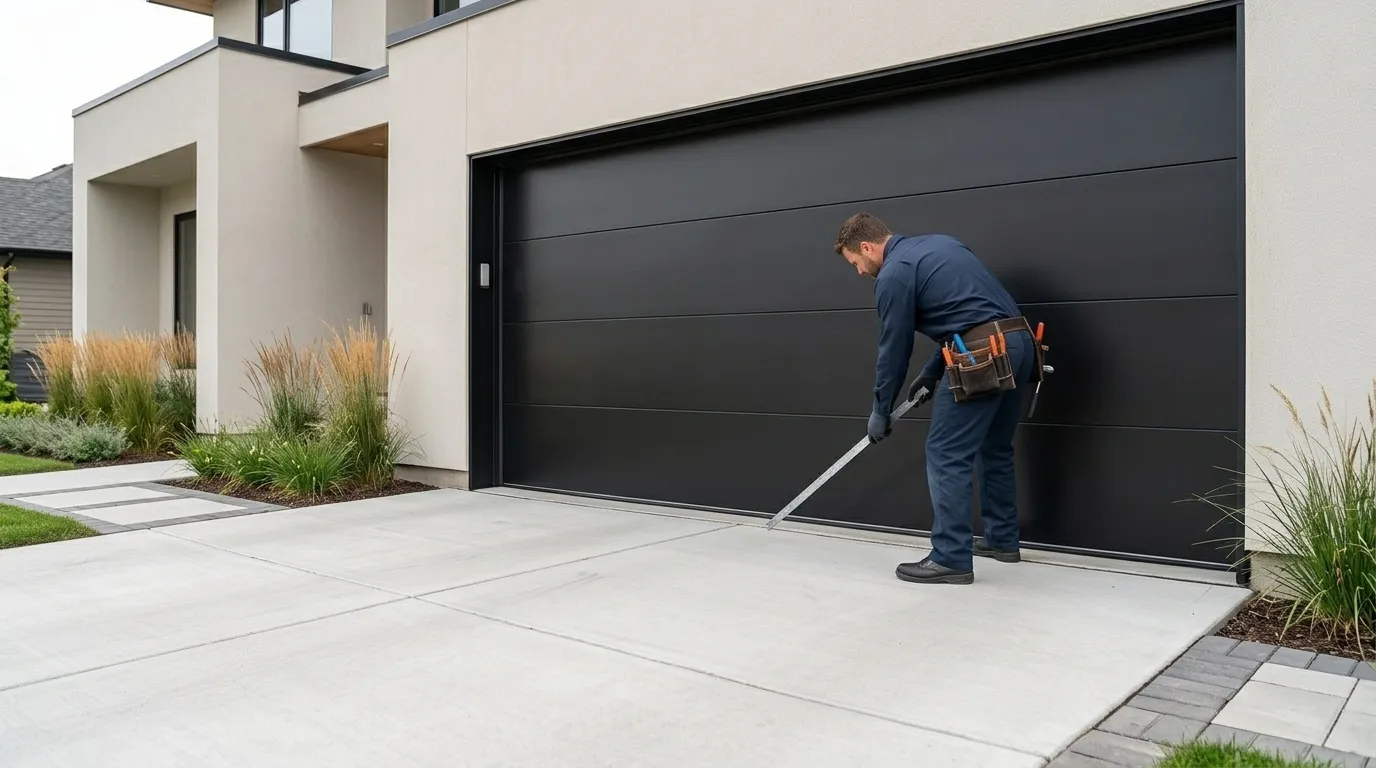
A service call starts with the same walk-through every time: manual balance test, spring wind count, track alignment, then the opener's force and travel settings. On a 2000s-era door - which is what we run into across most of this area's housing - that usually means checking whether the original torsion spring is still rated for the door weight, since steel doors have gotten heavier as insulation standards moved up over the years these houses were built.
From there we look at what the cold-severe climate does to the moving parts: lithium grease versus the standard grease that hardens below freezing, nylon rollers that crack after enough winters of contraction and expansion, and cable ends that corrode faster where moisture gets trapped by a failing seal. We tell you what we find in plain terms - what's worn, what's still fine, and what we'd replace now versus what can wait - before any work starts, and the estimate reflects exactly that list, not a flat menu price.
How it works
From “it’s stuck” to “it’s fixed”
1
Tell us what’s wrong
Describe the symptom - won’t open, loud bang, opener runs but the door won’t move.
2
On-site diagnosis
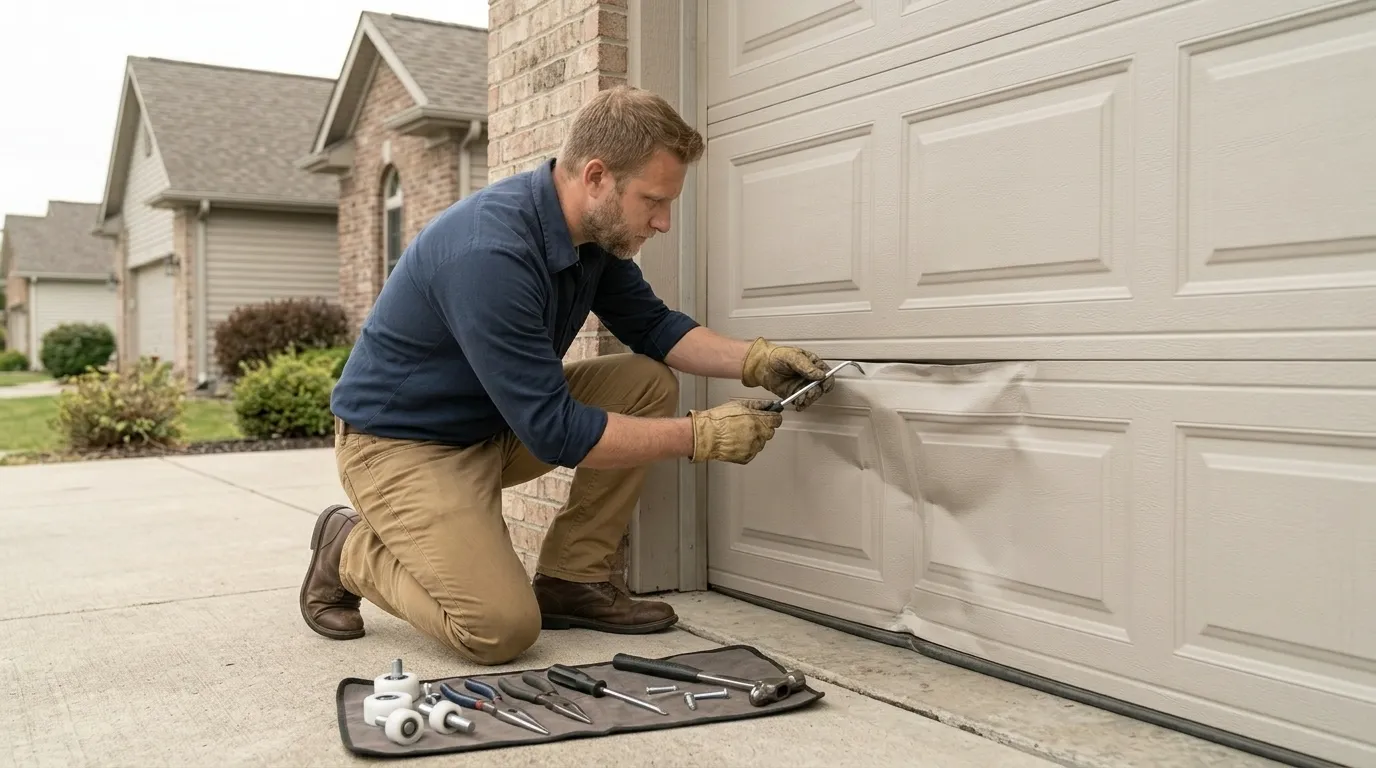
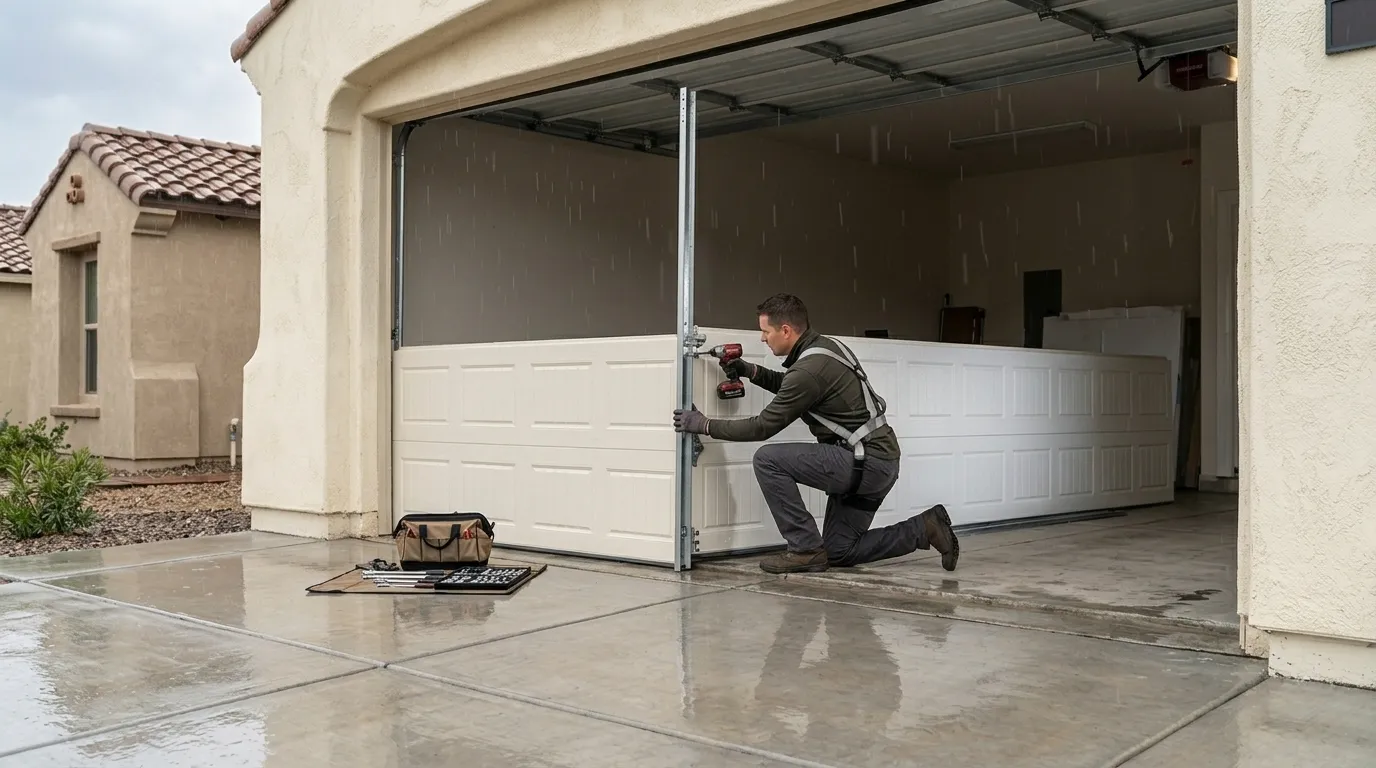
A technician tests the door under power and by hand and finds what actually failed.
3
Clear, up-front plan
You get the fix that’s needed and what drives the cost - before any work starts.
4
Repaired & tested
The repair is done, the door is set true and tested, and the work area left clean.
Serving Loveland, CO - tell us what your door’s doing and we’ll take it from there.
How do you diagnose a garage door that won't stay open?
We start with a manual balance test - lifting the door by hand with the opener disconnected. If it won't hold position on its own, the torsion spring has lost tension. On the 2000s-era doors common in this area, that's almost always the spring, not the opener, since factory torsion setups were standard for that build period.
Why does my door struggle more in winter?
Loveland's cold-severe climate band means grease thickens, seals harden, and steel contracts. A door that runs fine in summer can bind or groan in winter because the rollers and track tolerances were never sized for that swing. We check seal compression and lubrication type on every winter call for this reason.
Will you always recommend replacing the door?
No. If the door still balances correctly and the opener runs the motor without strain, we'll say so and skip the upsell. Replacement makes sense when the spring, opener, and seals are all near end of life at once - which happens more often on original installs from this area's 2000s housing median.
Do you carry parts for older openers on the truck?
Not for every model. Openers original to houses built in the 2000s median for this area are old enough that some circuit boards or gear kits need ordering. We'll tell you on-site if that's the case and give you a realistic timeline rather than guessing.
Ready to get your garage door sorted?
Tell us what it’s doing and where you are in Loveland - we’ll take it from there.