Checking It Yourself
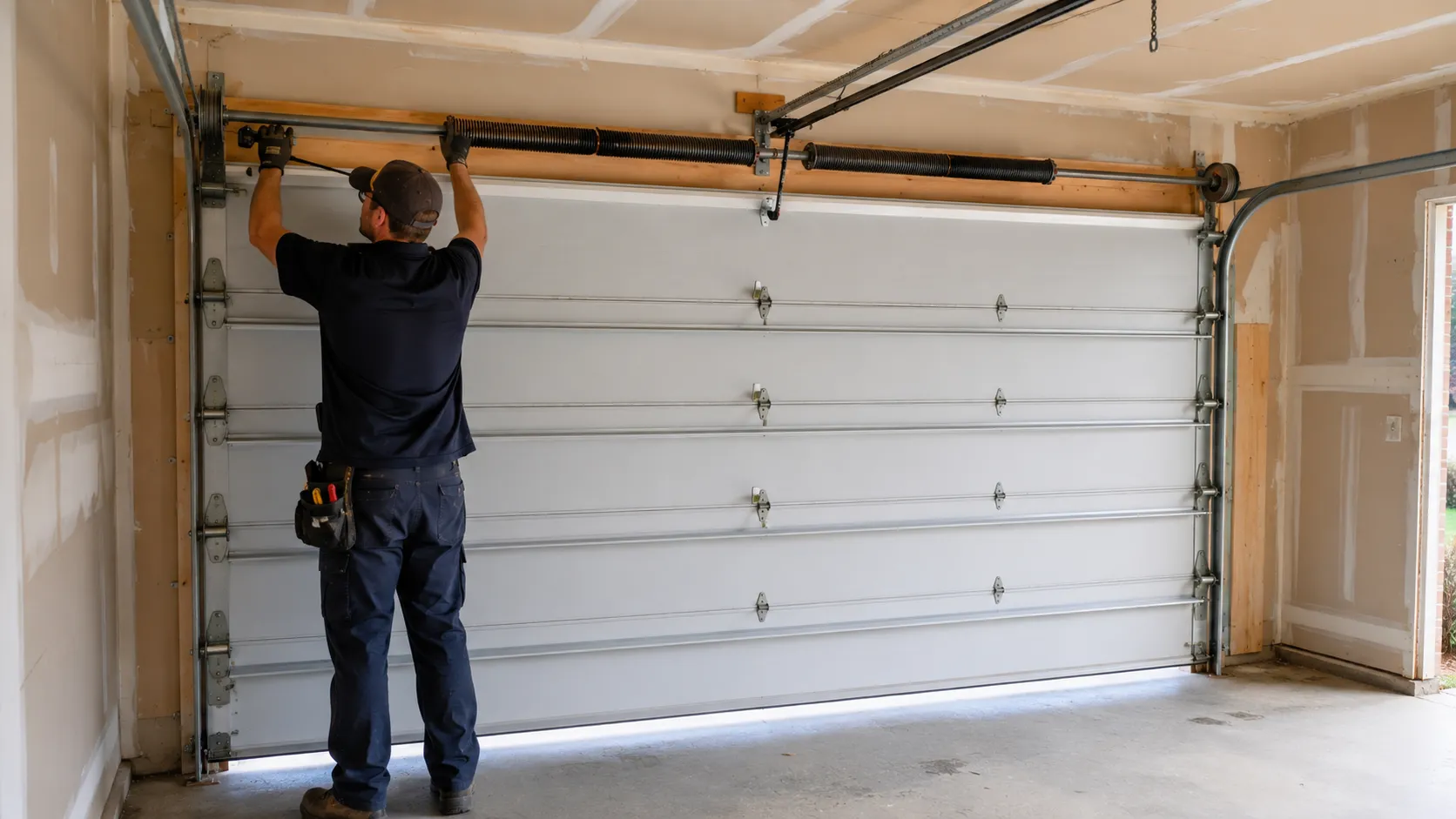
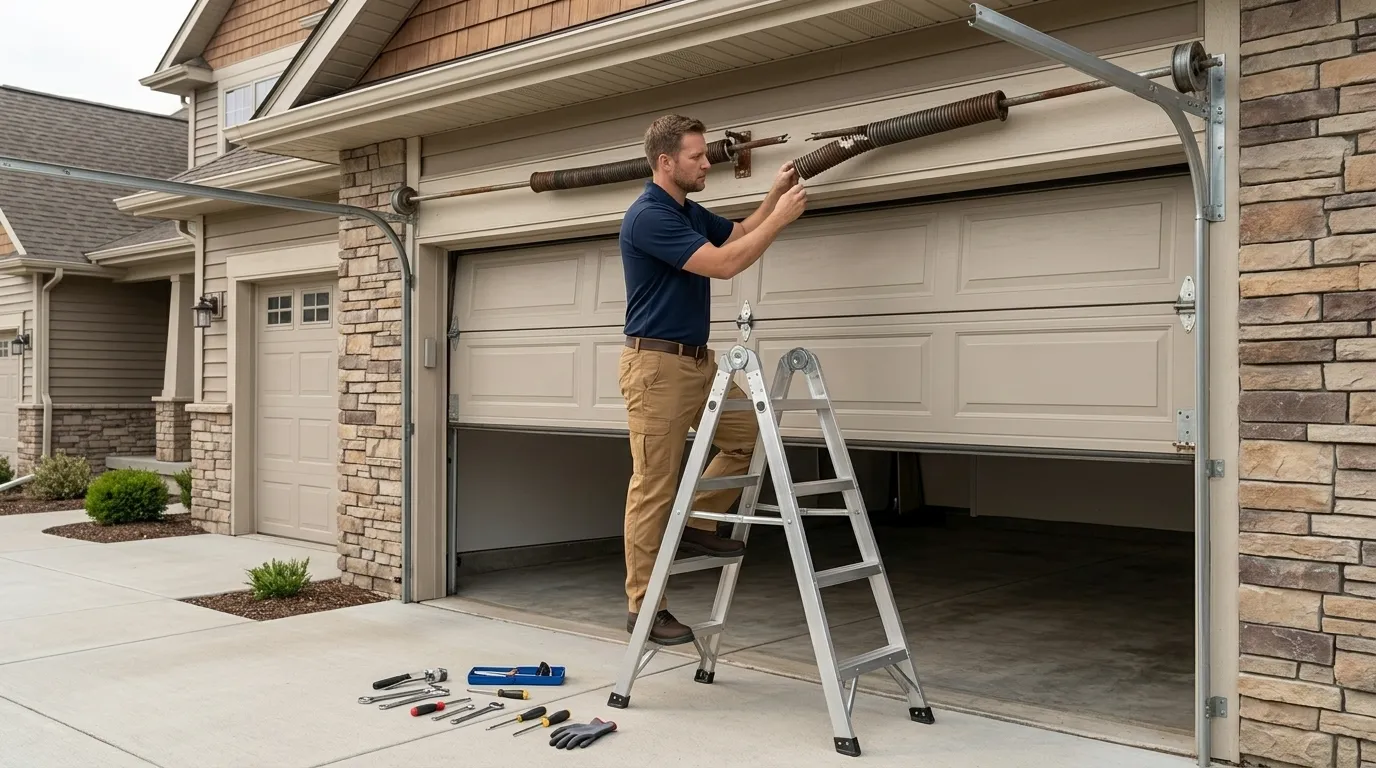
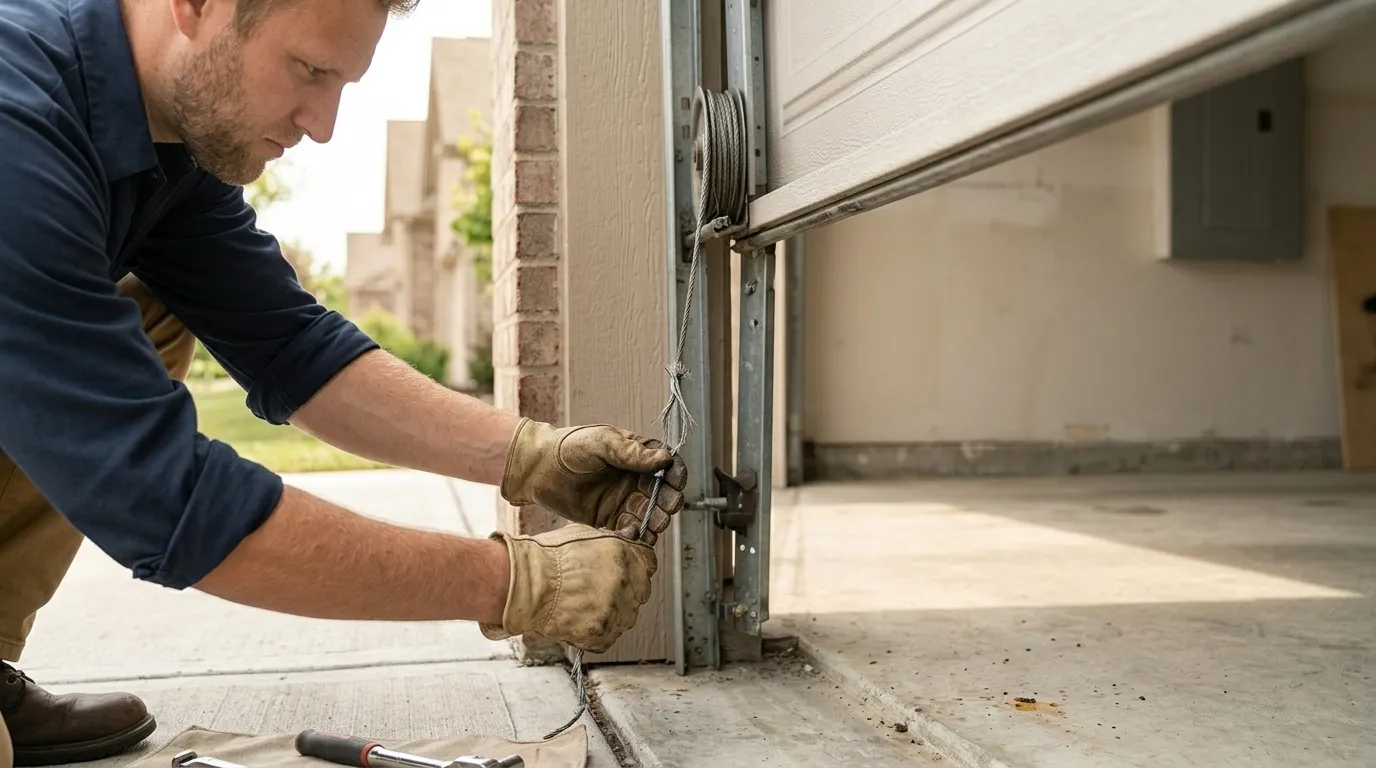
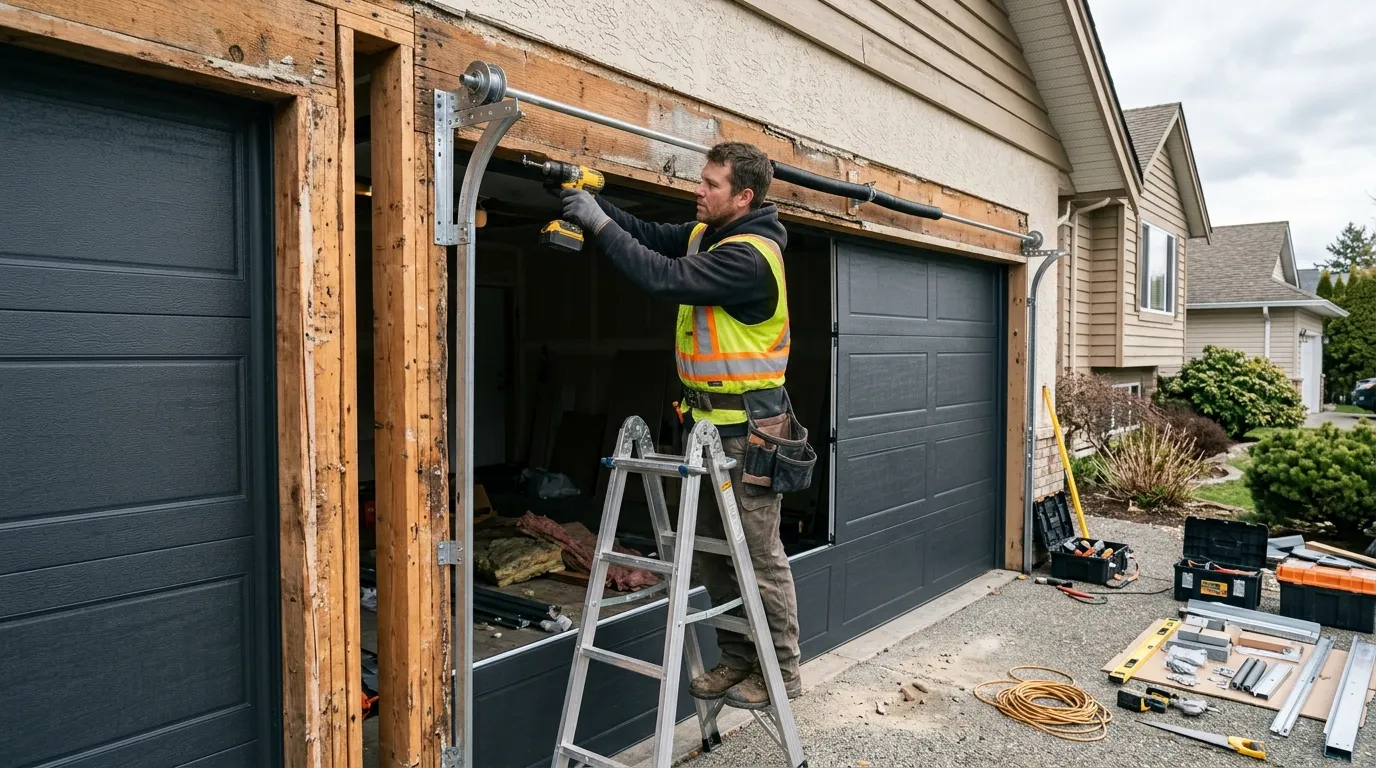
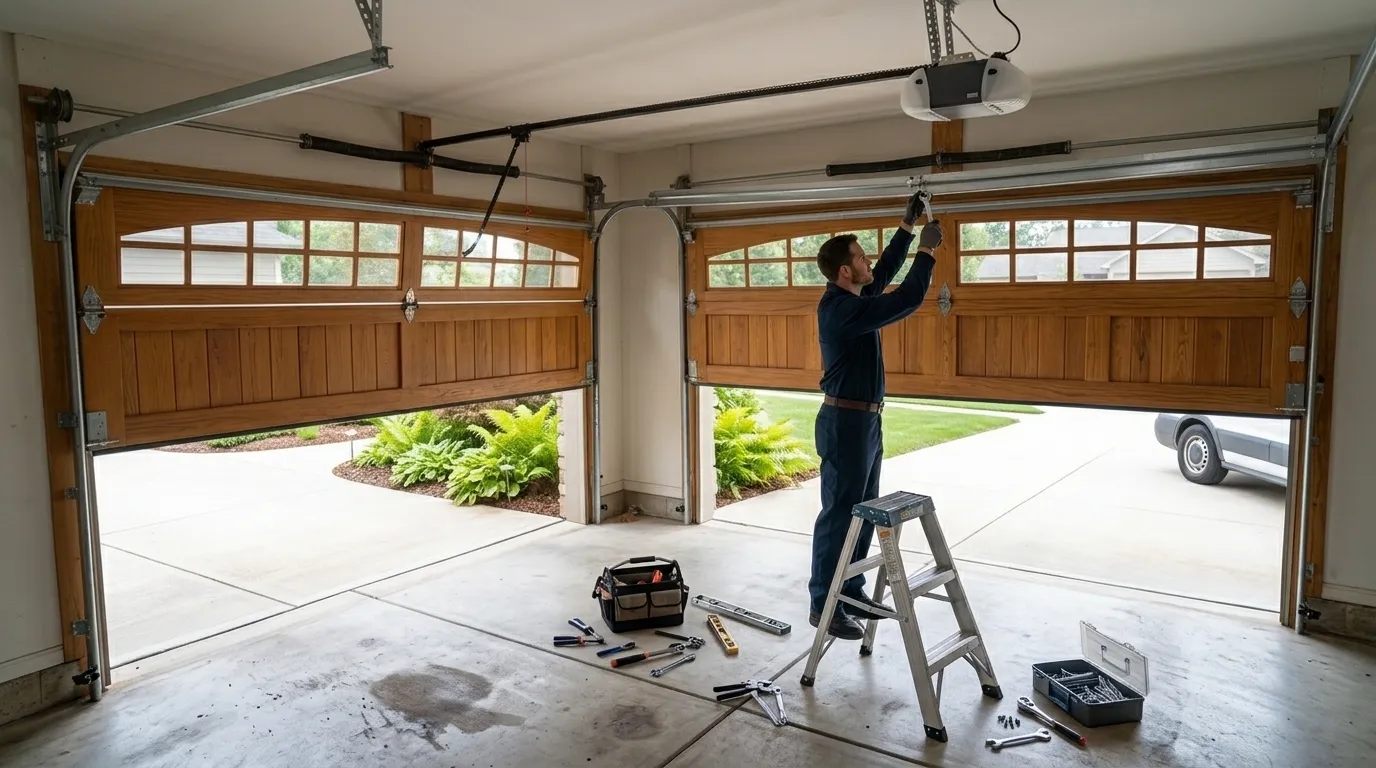
Start with the springs. On a door from the 2000s-era stock common here, torsion springs are usually rated for a set number of open-close cycles, and cold makes brittle metal fail sooner, not later. Look for gaps in the coils or rust bloom at the ends - that's a spring near the end of its life, not a lubrication problem. Next, run a hand along the track. If it's pitted or the rollers wobble side to side instead of rolling straight, the cold has been working on the metal for years. Check the bottom weatherstrip too; on houses built before the mid-2000s it's often the original vinyl, and vinyl that's cracked or flattened lets cold air and moisture into the garage, which speeds up rust everywhere else. Push the door up by hand with the opener disconnected - it should move with moderate, even resistance. If one side drags or the door feels heavy on one corner, a spring or cable is compensating for wear elsewhere. None of this requires tools you don't already own. What it requires is doing it in cold weather, because a door that seems fine on a mild afternoon can bind the next morning at twenty degrees.
Doing Nothing For Now
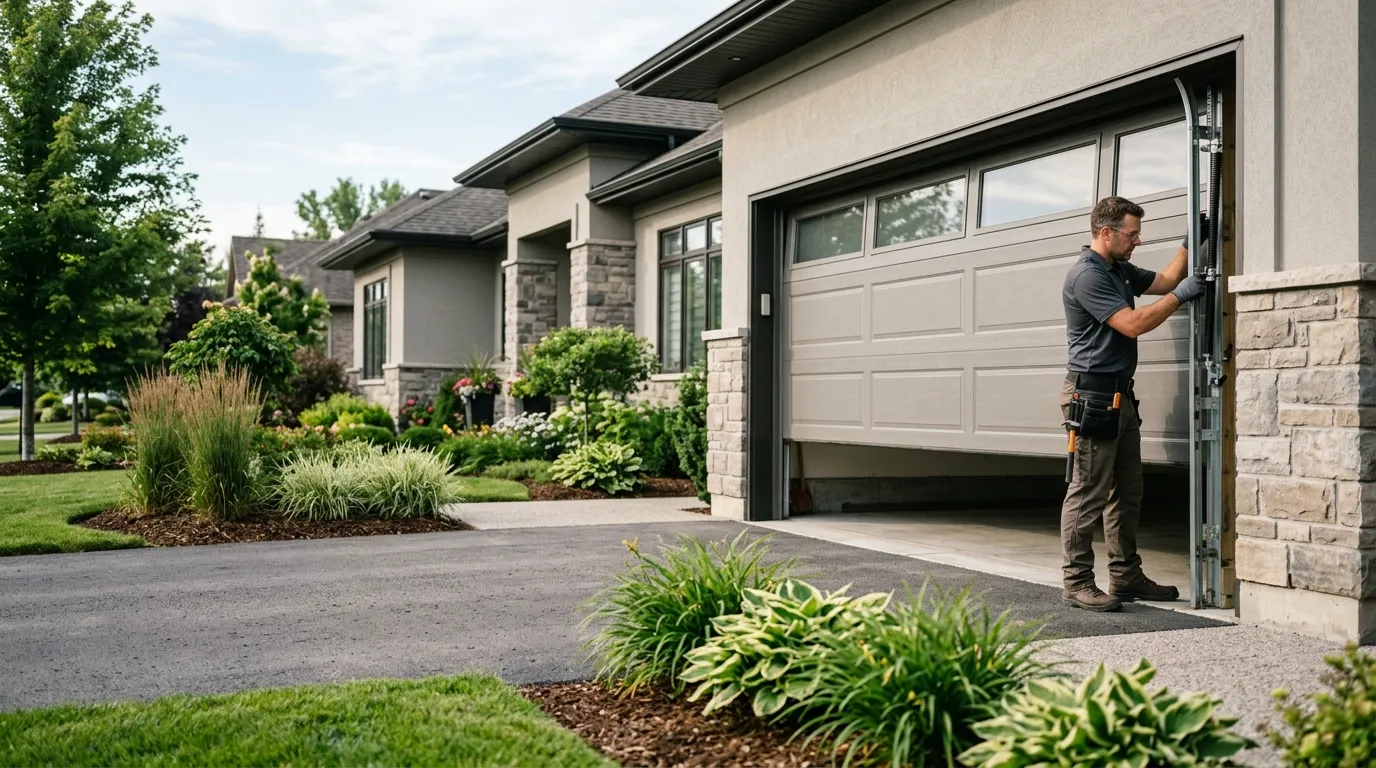
Not every issue needs a truck out that week. Surface rust on a track, a slightly noisy roller, or a door that's a little stiff on the coldest mornings but still opens evenly - those are things you can watch. We won't tell you a working door needs replacing just because it's old; a lot of the 2000s-built stock in this area still has serviceable hardware, and swapping a spring or a roller is cheaper than a new door in most cases. Where we draw the line is a door that's binding, dropping unevenly, or making a grinding sound under the opener's motor - that's a spring or cable under load, and waiting on that one is how people get hurt or end up needing a new opener too. Here's the honest limitation: if the panel itself is dented, delaminated, or rusted through rather than just the hardware, no amount of spring or roller work fixes that, and at that point you're paying repair money toward a door you'll still need to replace. We'd rather tell you that upfront than sell you a patch job.