What Can Go Wrong
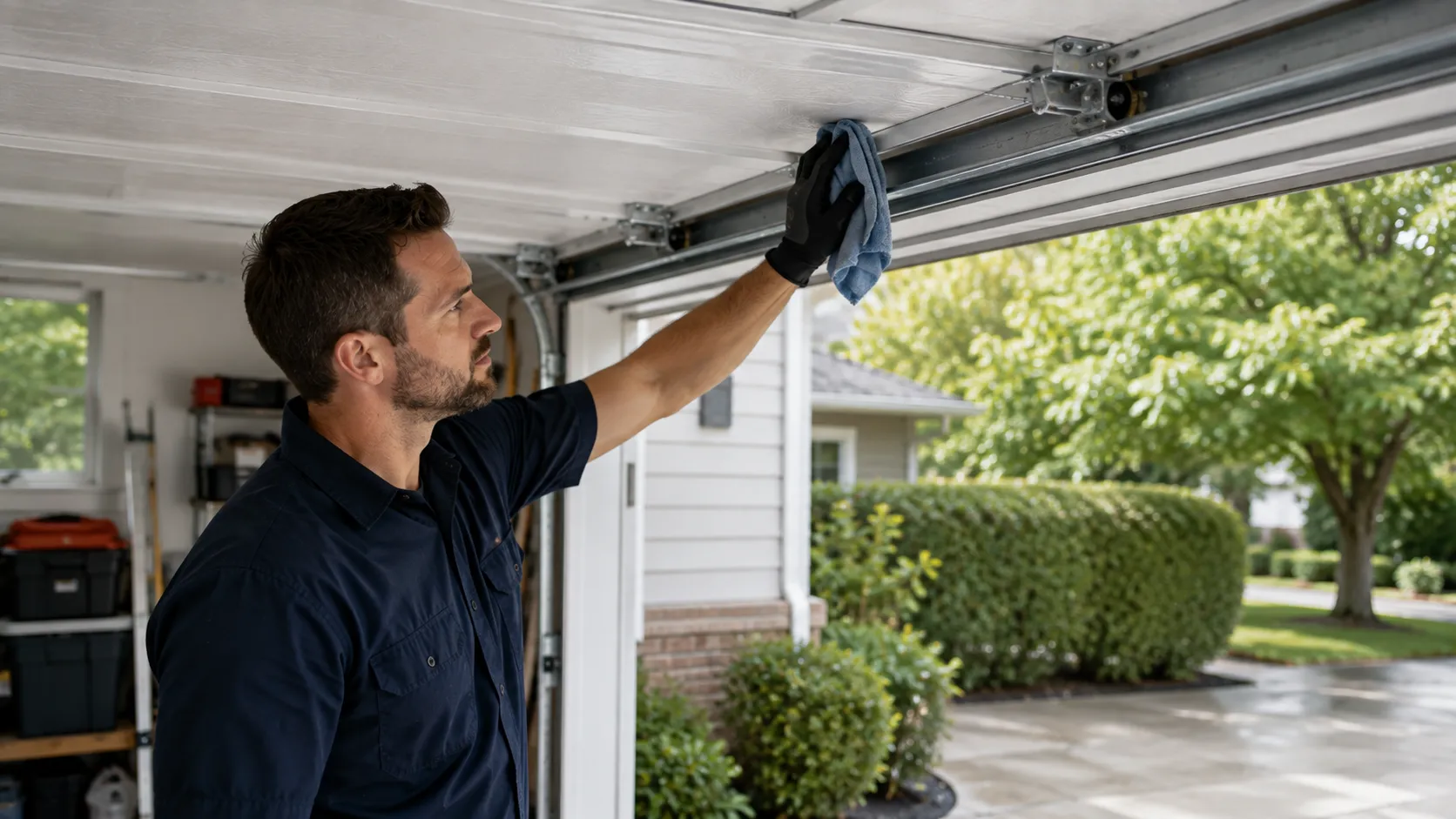
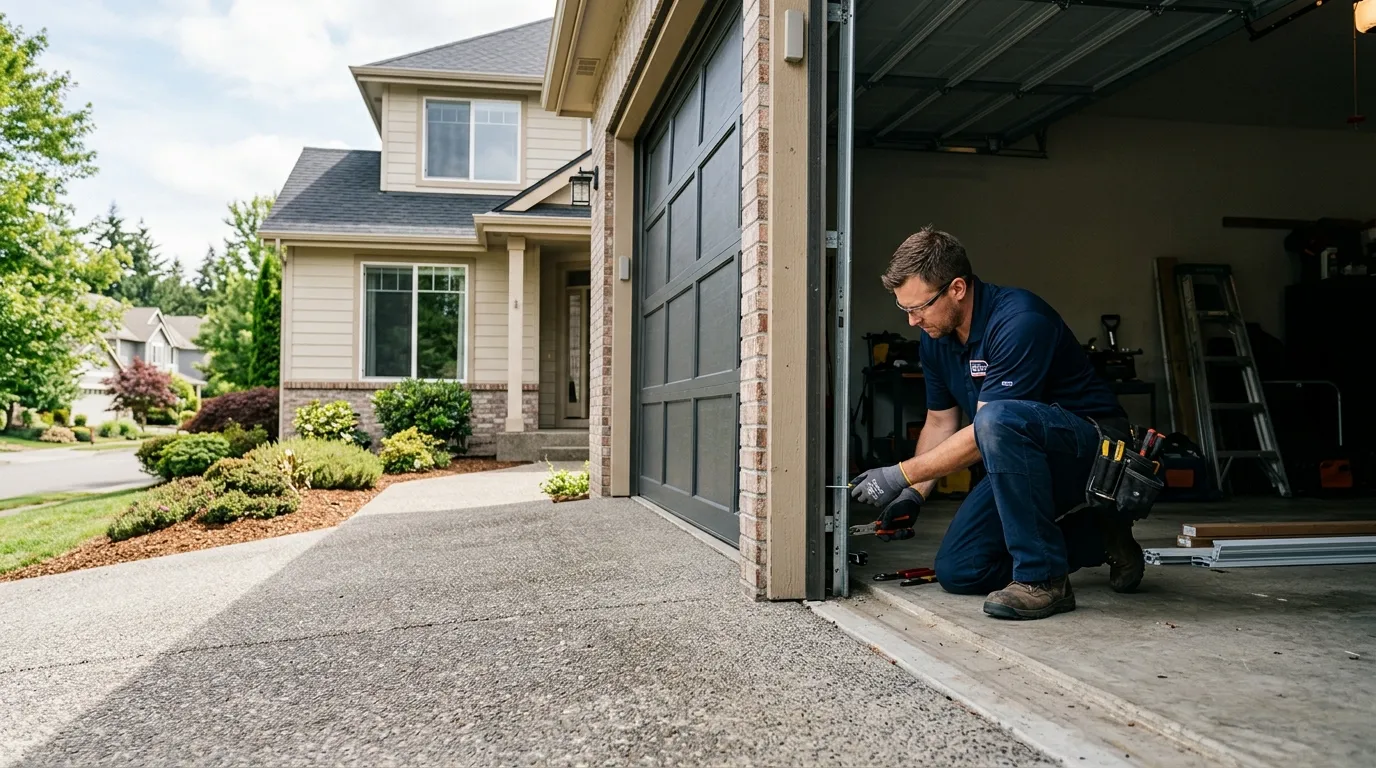
Houses built around 2007 mostly came with steel sectional doors and belt or chain-drive openers with a keypad and a safety-reverse sensor pair. The most common failure we see on a house that age isn't a broken spring - torsion springs from that era are usually still original and still working - it's the plastic idler bearings at the end of the torsion shaft, which get brittle and crack after enough winters.
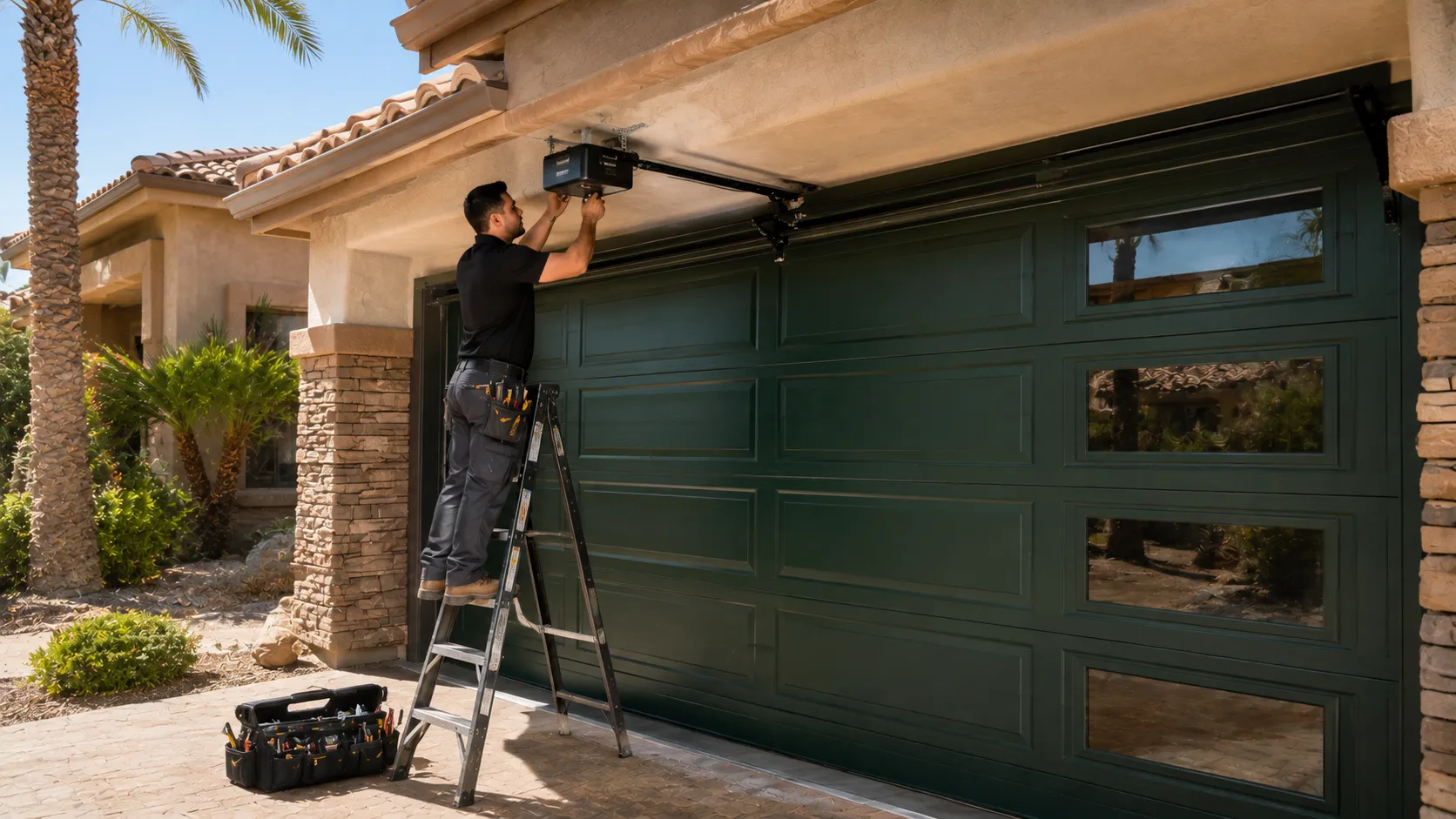
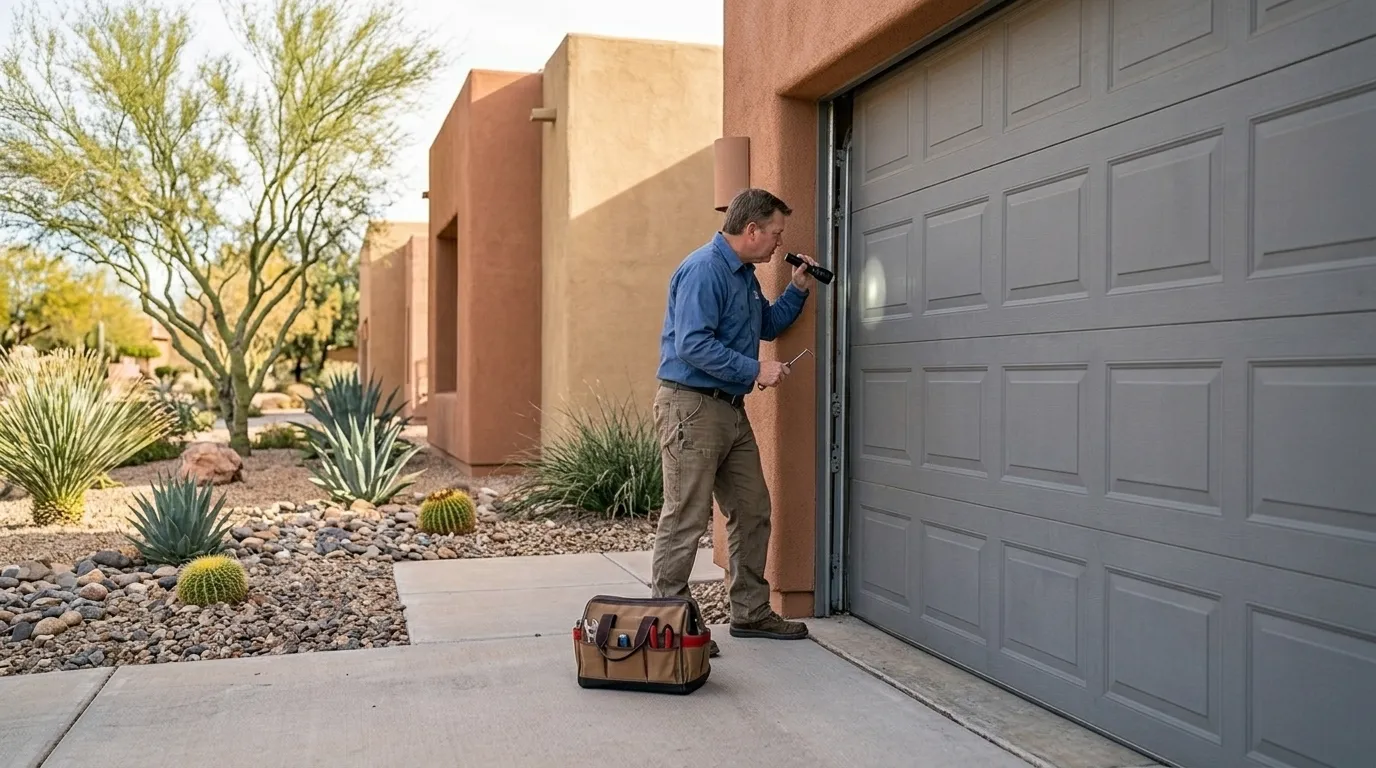
Opener logic boards are the other one. A 2007-era opener is old enough now that the board itself, not the motor, is what quits. You'll get a door that hums but doesn't move, or one that reverses for no reason halfway down. Sensor eyes drift out of alignment too, especially if the door's ever been bumped backing a trailer out.
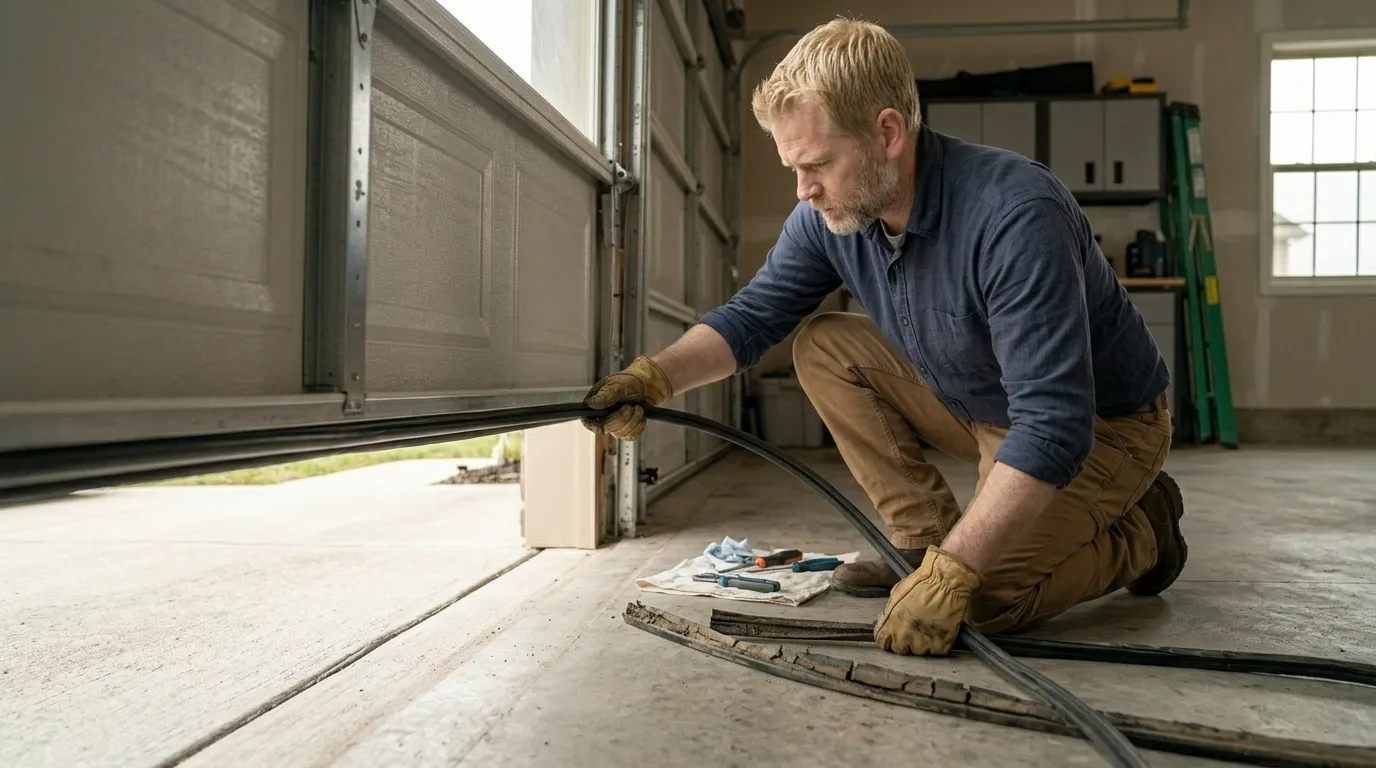
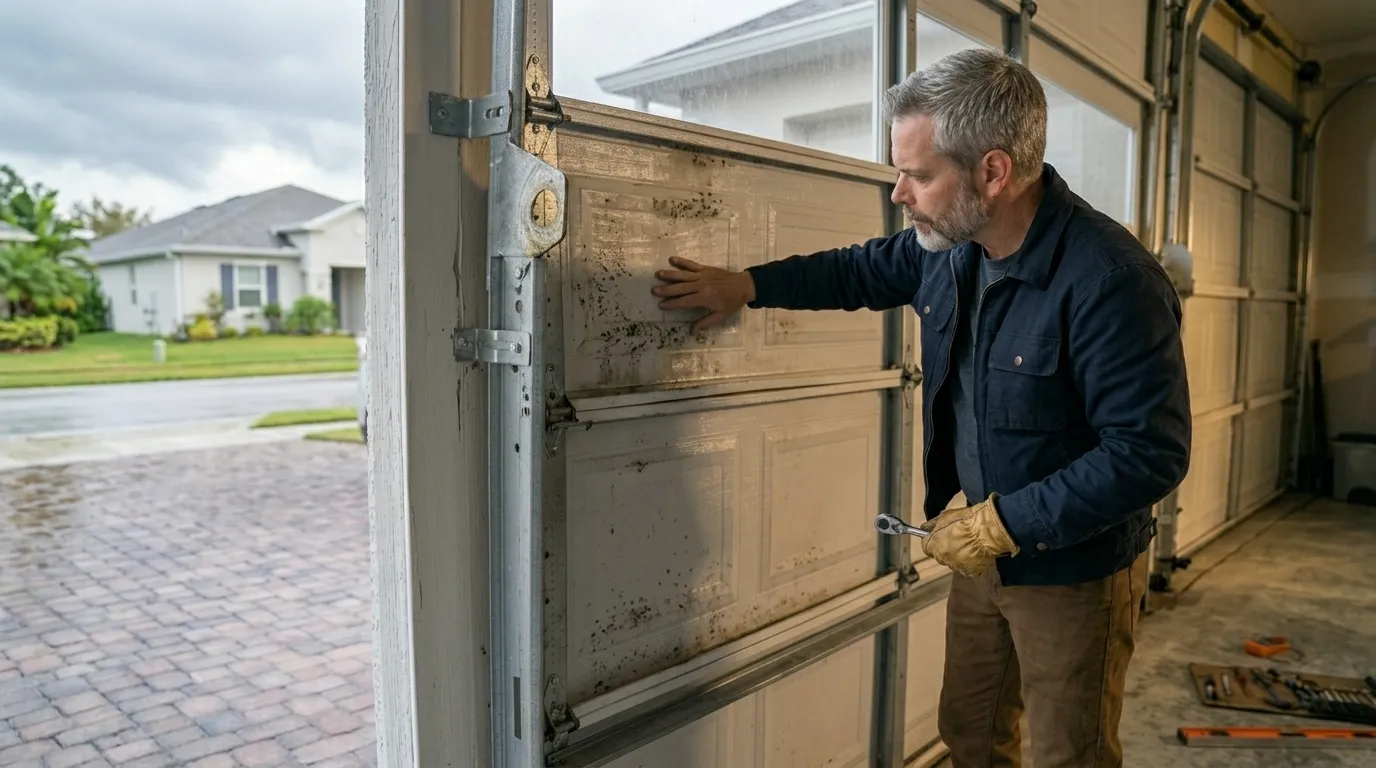
Cables fray less often on doors this age since galvanized cable held up fine through the 2000s, but the end bearing plates on some production runs from that period were undersized, and that's a wear point worth checking if your door's started binding on one side.
Doing It Yourself
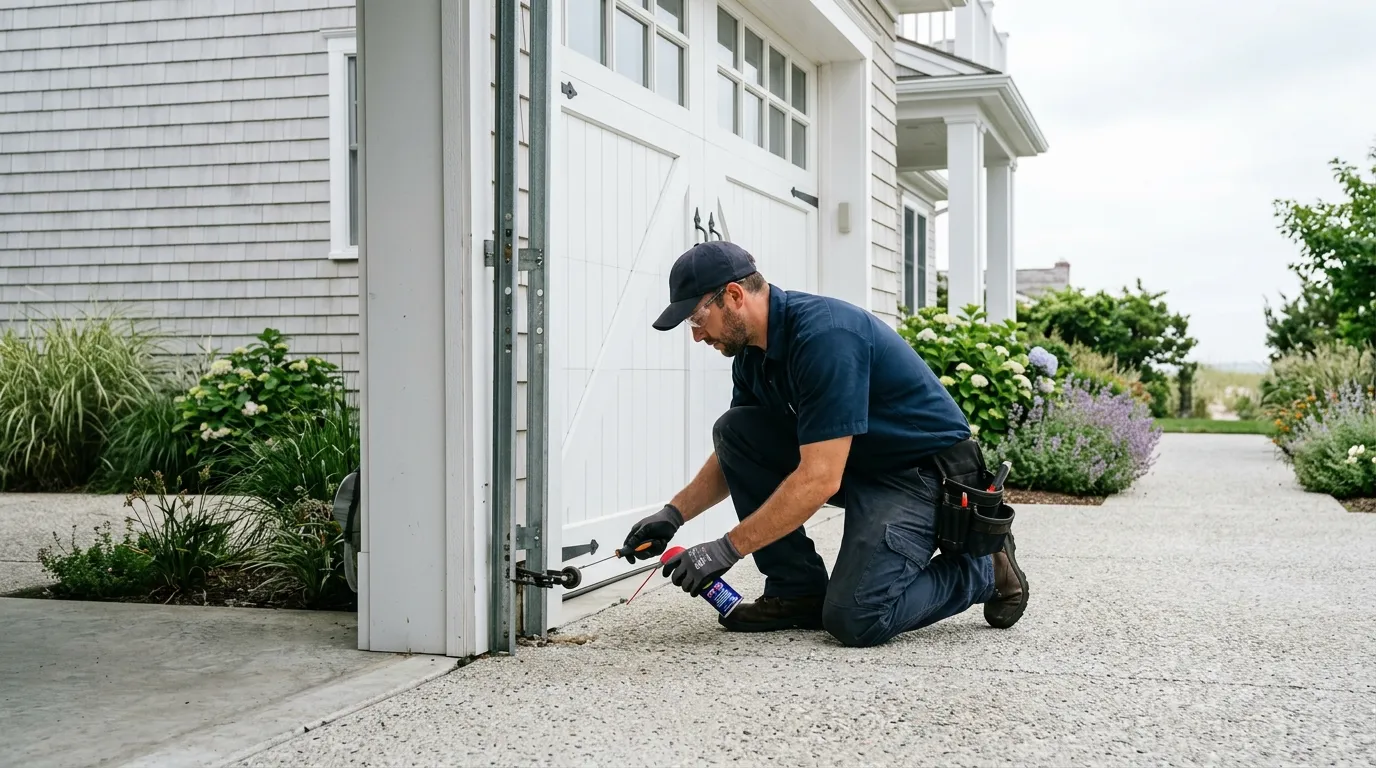
Realigning a photo-eye sensor or swapping a keypad battery is fine to do yourself, and most Windsor owners with a 2000s-era opener can handle that without a call. Reprogramming a remote is the same - five minutes, no tools.
What you shouldn't touch is anything on the torsion shaft. If a bearing's cracked or a spring's lost tension, that shaft is under enough load to break a wrist if it lets go while you're working on it. We also wouldn't recommend opening up an opener's logic board housing yourself - even if you find the burnt component, matching it without the exact board revision from that production year usually wastes more time than it saves.
One honest limitation: if your opener board is the specific failure, we may need to order the part rather than carry it on the truck, since boards for a 2007-era unit aren't always something we stock for every brand.
How We Fix It
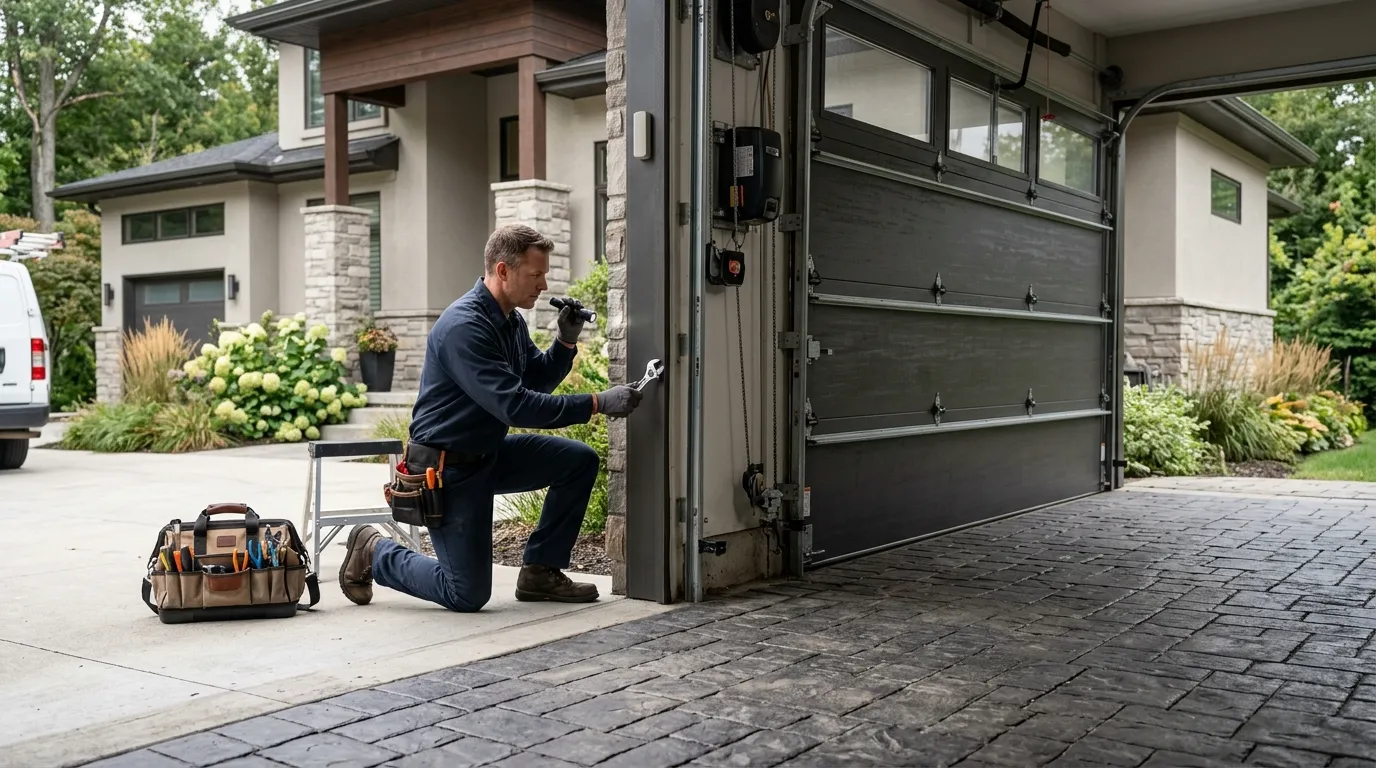
We come out from Loveland, about 9 miles to Windsor, and we bring what covers the failures we actually see on 2007-era stock: idler bearings, photo-eye sensor kits, and common opener control boards for the brands that were popular when this part of town was built. If your board needs a part we don't carry on the truck, we'll tell you that on the spot rather than have you wait around.
For a cracked bearing or misaligned sensor, it's usually one visit. For a board that needs ordering, we'll get the door safe and usable - locked down or on manual release - until the part's in and we can come back.
We don't try to force a fix on a door where the frame or track has warped; on a house this age that's rare, but when it happens, replacement is the honest answer and we'll say so instead of running up a bill chasing a symptom.
Why It Happens Here
Windsor's houses cluster around a 2007 median build year, noticeably newer than the roughly 2003 median across the wider area we cover out of Loveland. That gap matters because it shifts what breaks: older neighborhoods elsewhere in our service area are further into spring replacement and cable wear, while Windsor is hitting the age where opener electronics from that generation start failing instead.
The cold here plays a role too. Winters cold enough to fall in the severe end of the federal climate band mean plastic components - bearings, sensor housings - go brittle faster than they would in a milder climate, and that's consistent with what we see on service calls regardless of which part of town the house sits in.
With close to 14,004 households in Windsor, a fair share of them built in that same decade-plus window, the same handful of failure points keeps showing up call after call. It's not a coincidence - it's the housing stock.