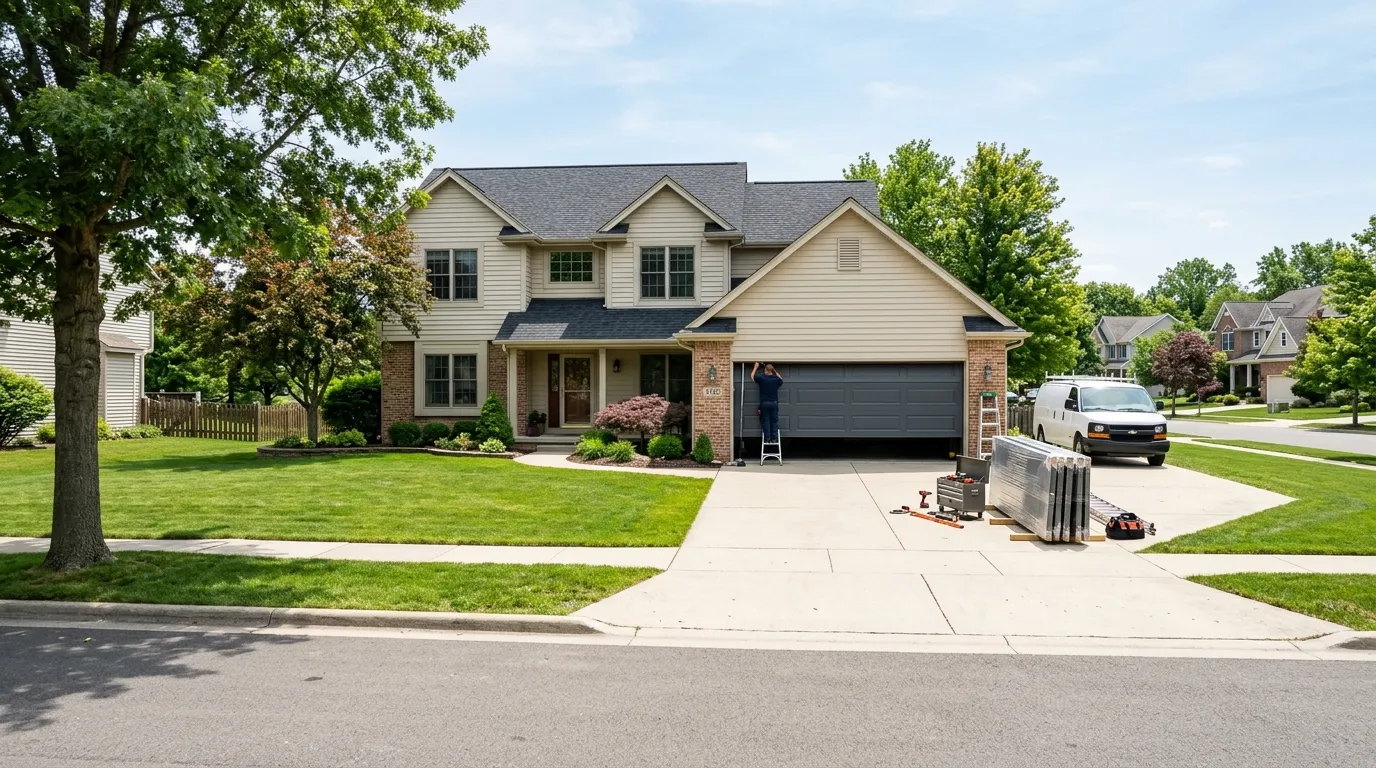
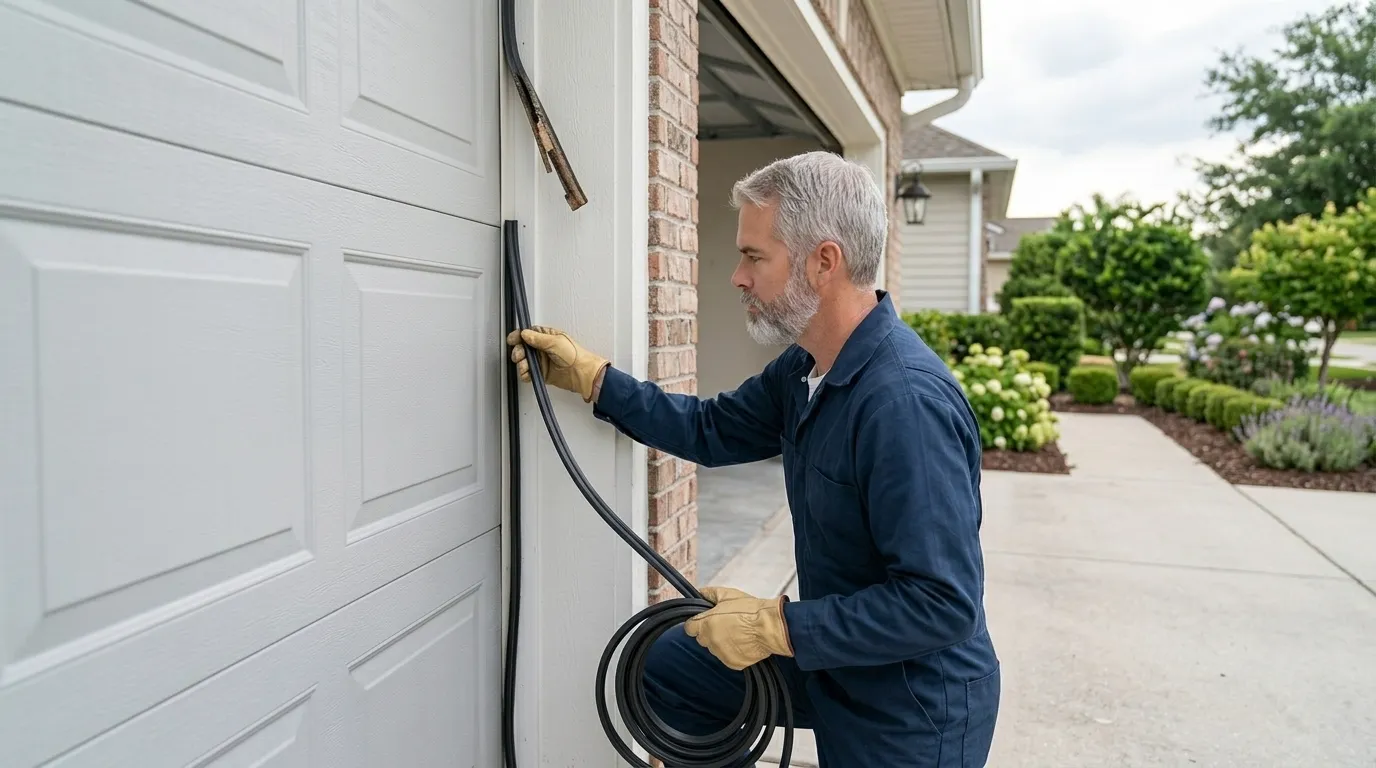
Rollers grinding, sticking, or jumping the track on a Loveland garage door? See what's failing, how long the fix takes, and what drives the cost in this climate.
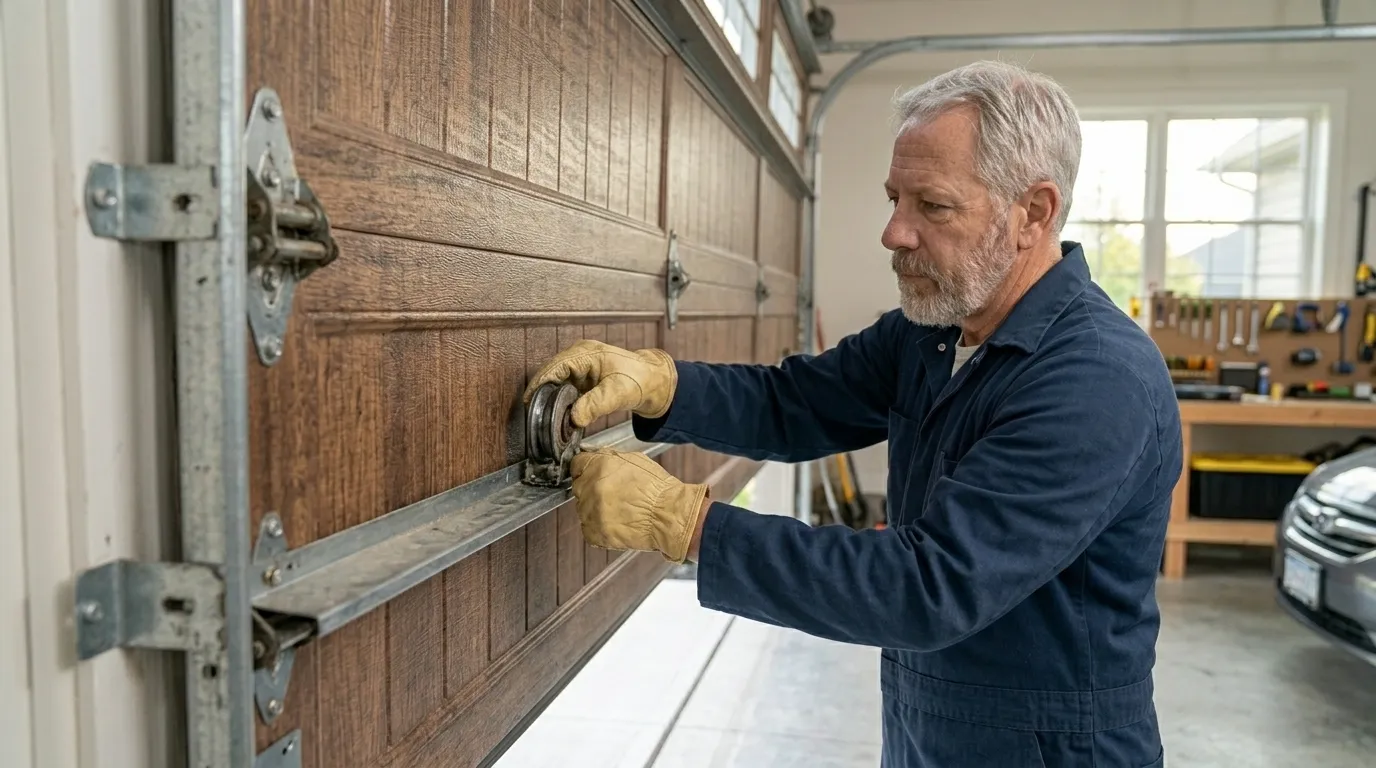
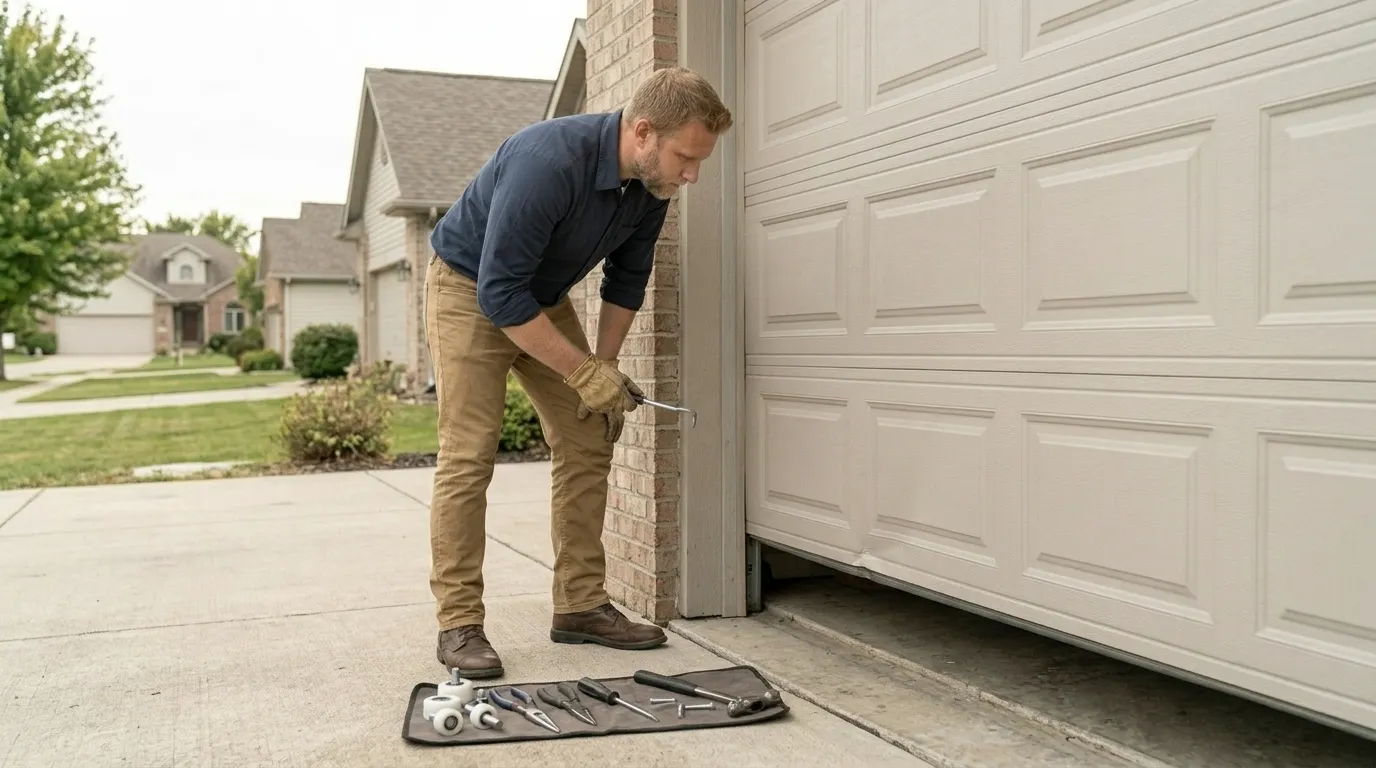
If your door sounds like a shopping cart with a bad wheel, or it hesitates and jerks at the same spot on the track every time, that's usually a roller problem, not a spring or opener problem. Nylon rollers wear down and go out of round. Steel ball-bearing rollers lose their bearings, then the stem starts binding in the track bracket. Either way, the door still moves, but it fights you the whole trip - and the noise gets worse in cold weather because whatever grease is left inside the roller has stiffened up.
Some owners notice a gap opening between the roller and the track on one side, which usually means the roller has flattened on one edge. Others notice the door jumping slightly off the track near the top or bottom, which is a roller that's worn enough to lose its grip on the rail entirely. Both are roller symptoms even though they look like different problems.
What this is not: if the door won't move at all, or one side hangs lower than the other, that's more likely a spring or cable, and a roller swap won't fix it. A roller job is specifically the small wheels that ride the track - nothing else on the door.
How Long It Takes
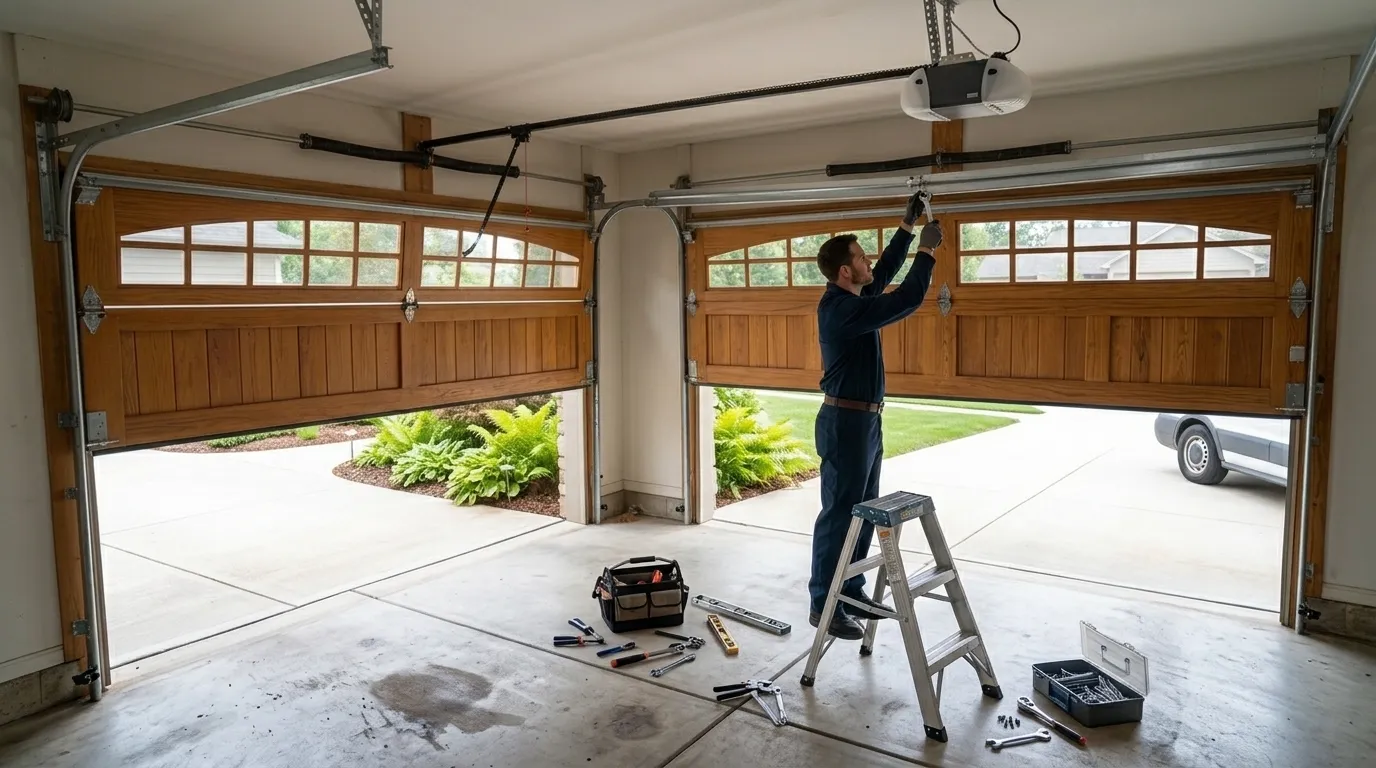
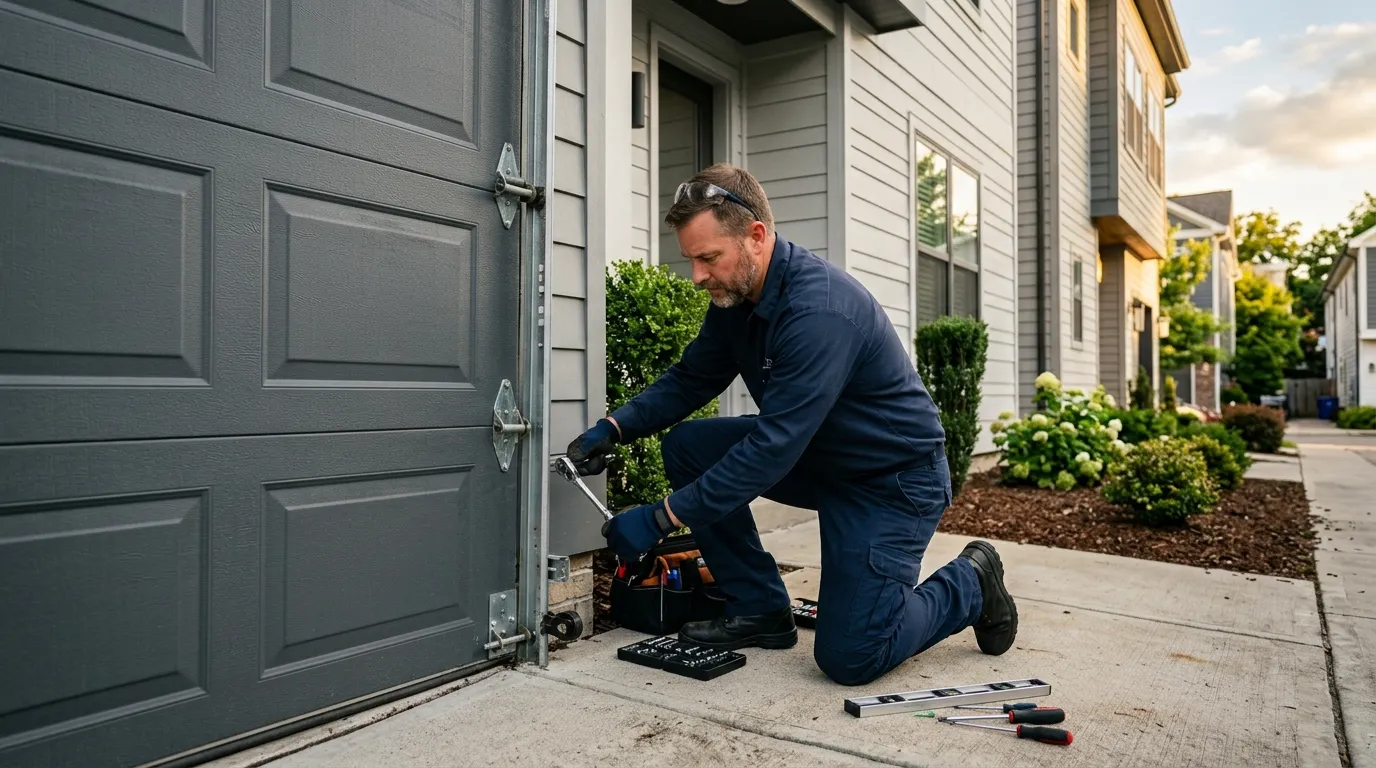
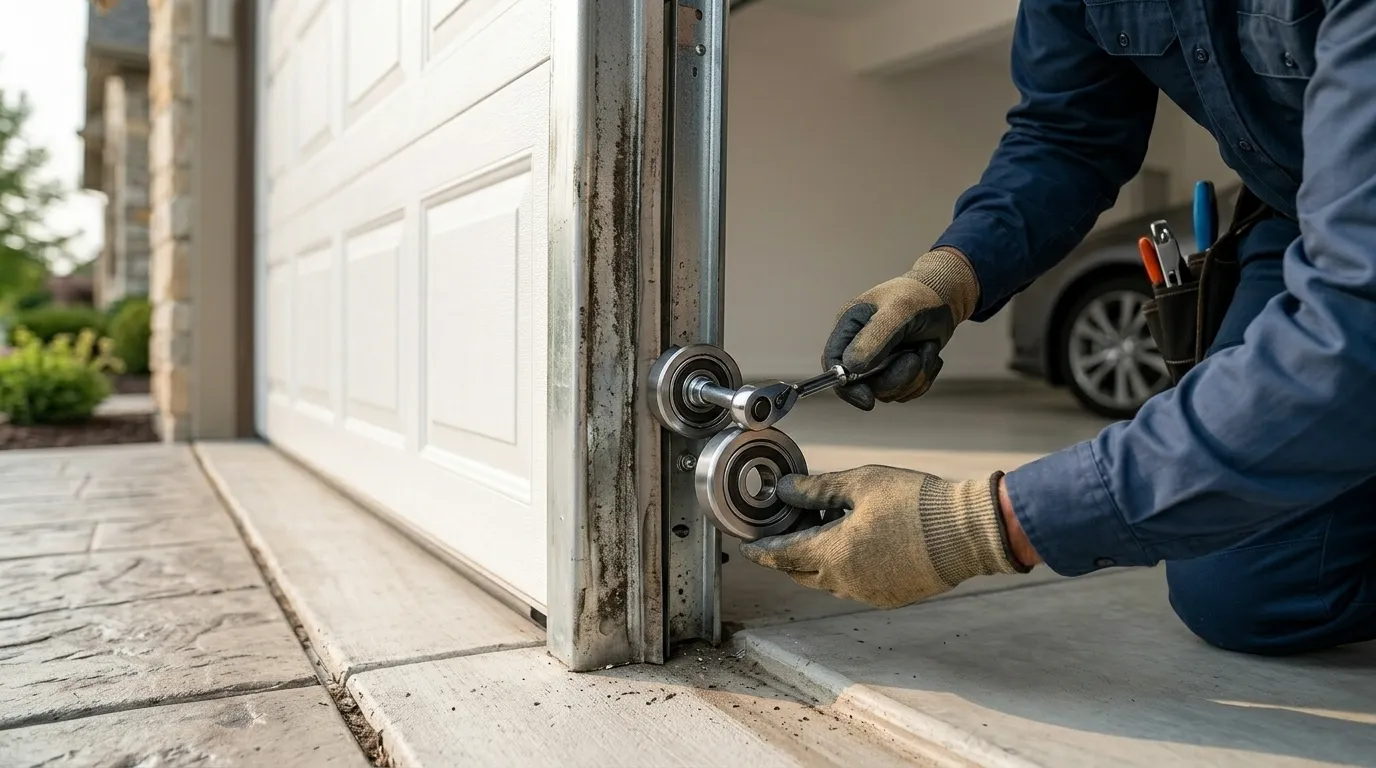
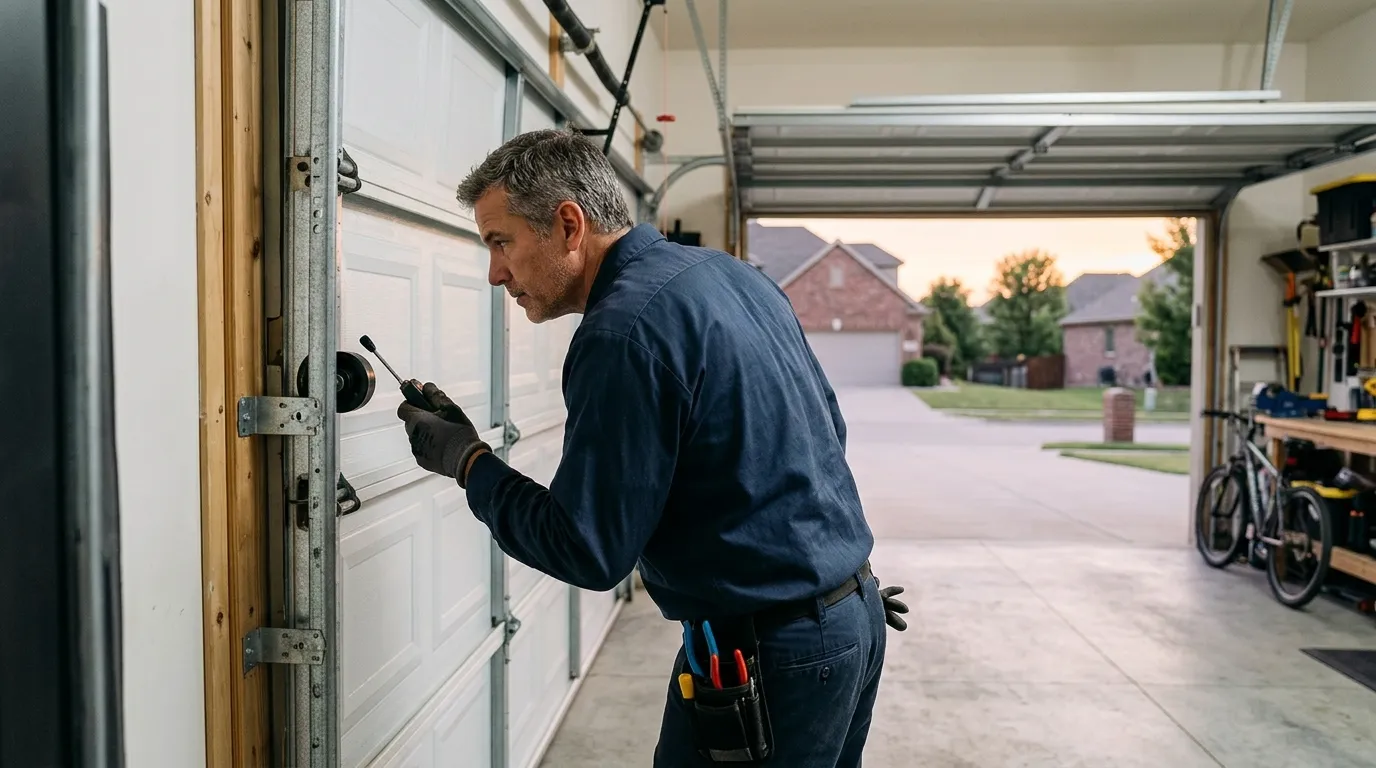
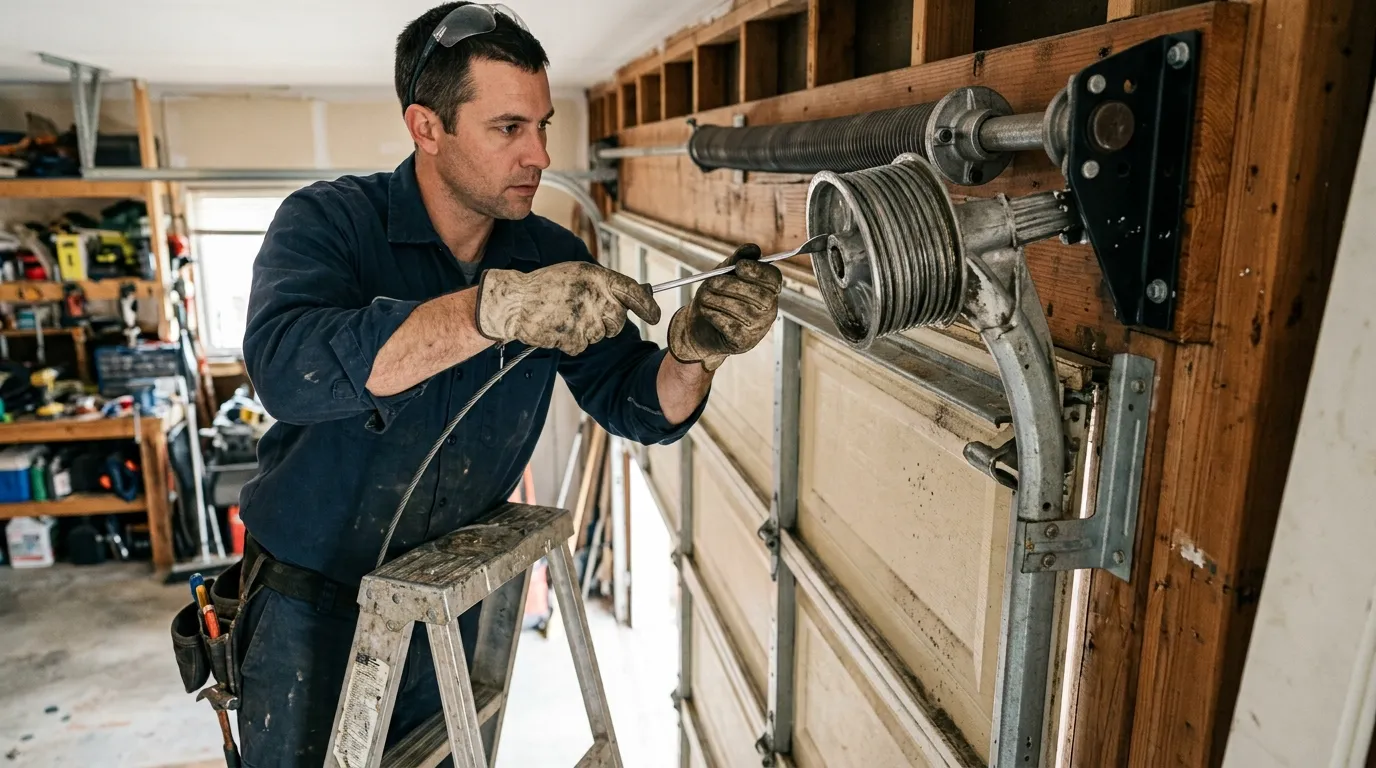
A full roller set - all ten to twelve rollers on a standard double door - is a same-visit job once the tech is on site with the right rollers in the truck. Nylon rollers with sealed bearings are a straightforward swap; each bracket comes off the track, the old roller drops out, the new one goes in, and the bracket goes back on. Steel rollers on older track hardware can take longer if the track itself has to be adjusted or realigned after years of a roller riding rough.
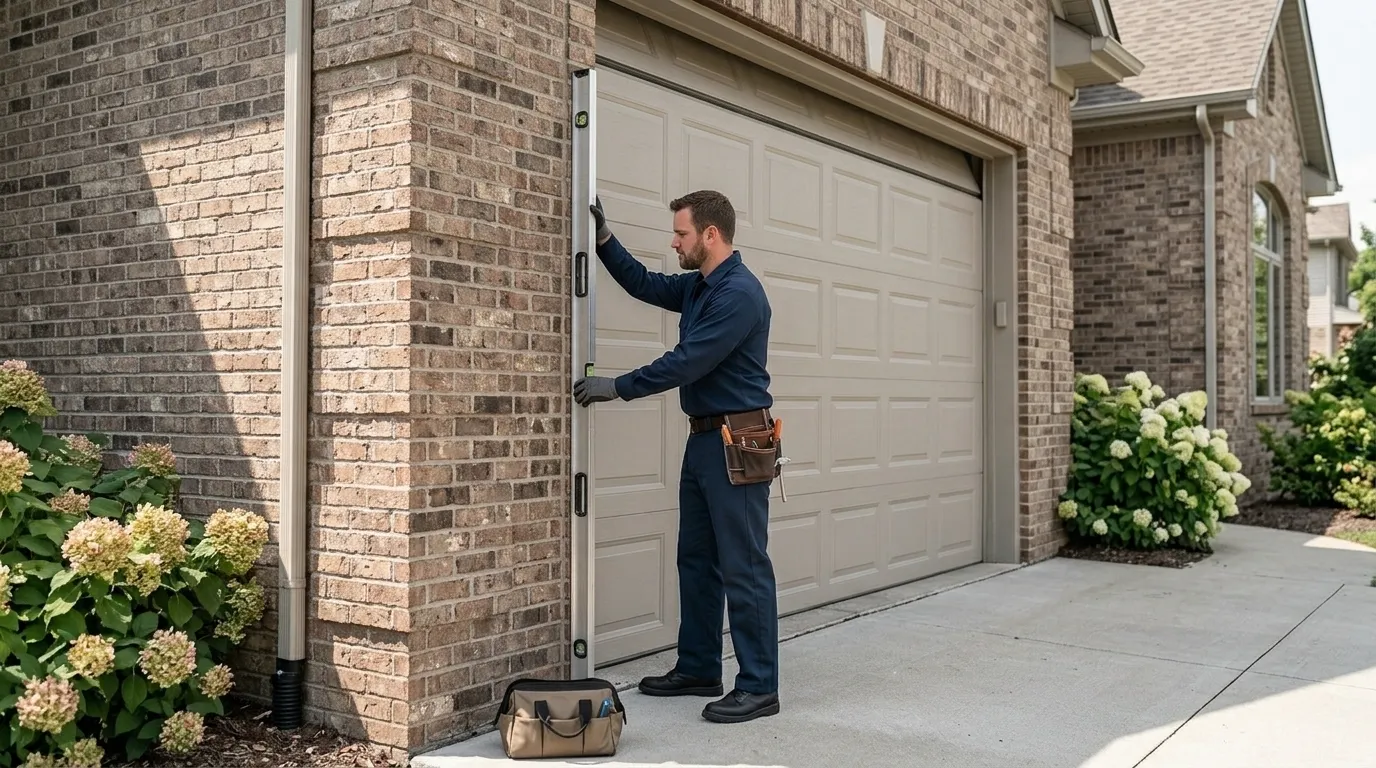
The time-consuming part usually isn't the roller itself - it's making sure the track is still straight and the brackets are still square once the worn rollers come out. A track that's been fighting a bad roller for months can develop its own wear pattern, and that gets checked and corrected in the same visit rather than left to wear out the new rollers early.
We don't quote an exact hour count here because it depends on how many rollers are bad, whether the track needs straightening, and whether the door is a single or double - that gets confirmed at the door, not over the phone.
Why It Happens Here
Most of the housing in this service area went up between 1975 and 2012, with the bulk of it built right around 2003 across the fourteen communities we cover. That means a lot of original garage door hardware out there is now roughly two decades old - well past the point where factory rollers, especially plain nylon ones without sealed bearings, are still doing their job quietly.
The climate is the other half of it. This is a cold, severe-winter region, and that matters for rollers specifically: the grease packed into sealed bearings thickens in low temperatures, which makes a marginal roller seize or chatter on the first cold mornings of the season even though it was fine in August. Owners often call in believing something suddenly broke, when really the roller had been wearing for a year and the cold just exposed it.
Homes built during that 2000s boom commonly shipped with lighter-gauge stamped rollers rather than the heavier sealed-bearing kind - fine hardware, but not built for a twenty-year service life in this kind of winter. That combination of housing age and climate is why roller calls cluster the way they do here rather than being spread evenly.
The Cost of This Job
We're not going to put a number here that isn't backed by an actual quote - roller cost depends on nylon versus steel, sealed bearing versus open, and whether the track needs correction at the same time, and none of that gets guessed over the phone. What we can tell you is how the decision usually breaks down: a partial swap of just the worn rollers costs less up front but leaves mismatched wear on the door, while a full set replacement resets the whole thing at once and tends to be the better value if more than two or three rollers are already bad.
This area has 37,006 owner-occupied houses out of roughly 55,339 households total, and across that many homes we see the same pattern - people who catch it early with a partial fix, and people who wait until the door is loud enough to hear from the street and end up needing the full set anyway. Catching it early is genuinely cheaper, not just a sales line.
One honest limitation: if your track is bent or your door is old enough that the roller brackets are rusted through, roller replacement alone won't solve it, and we'll tell you that instead of selling rollers onto hardware that needs more than that.
How it works
From “it’s stuck” to “it’s fixed”
1
Tell us what’s wrong
Describe the symptom - won’t open, loud bang, opener runs but the door won’t move.
2
On-site diagnosis
A technician tests the door under power and by hand and finds what actually failed.
3
Clear, up-front plan
You get the fix that’s needed and what drives the cost - before any work starts.
4
Repaired & tested
The repair is done, the door is set true and tested, and the work area left clean.
Serving Loveland, CO - tell us what your door’s doing and we’ll take it from there.
How do I know if it's the rollers and not the springs?
Rollers usually show up as noise and jerky movement while the door still travels the full distance under its own power. Springs show up as the door being hard to lift by hand, hanging unevenly, or not moving at all. If the door runs the full track but sounds bad or hesitates at fixed spots, that's roller wear, not spring failure.
Can I just replace the worst rollers instead of the whole set?
You can, and it costs less up front. The tradeoff is that the remaining old rollers keep wearing at the same rate they were before, so you're likely back for another partial swap within a season or two. A full set replacement resets everything at once.
Why does my door get louder in winter specifically?
Grease inside sealed roller bearings thickens in cold weather, which makes a roller that's already marginal start to bind or chatter. It's not new damage - it's wear that was already there getting more obvious once temperatures drop.
Do you cover roller replacement for towns near Loveland too?
Yes - this page covers the service across the wider area, including nearby communities like Windsor, Berthoud, and Johnstown. Local pages for those towns cover town-specific detail; this one covers the roller job itself.
Ready to get your garage door sorted?
Tell us what it’s doing and where you are in Loveland - we’ll take it from there.