How Long It Takes
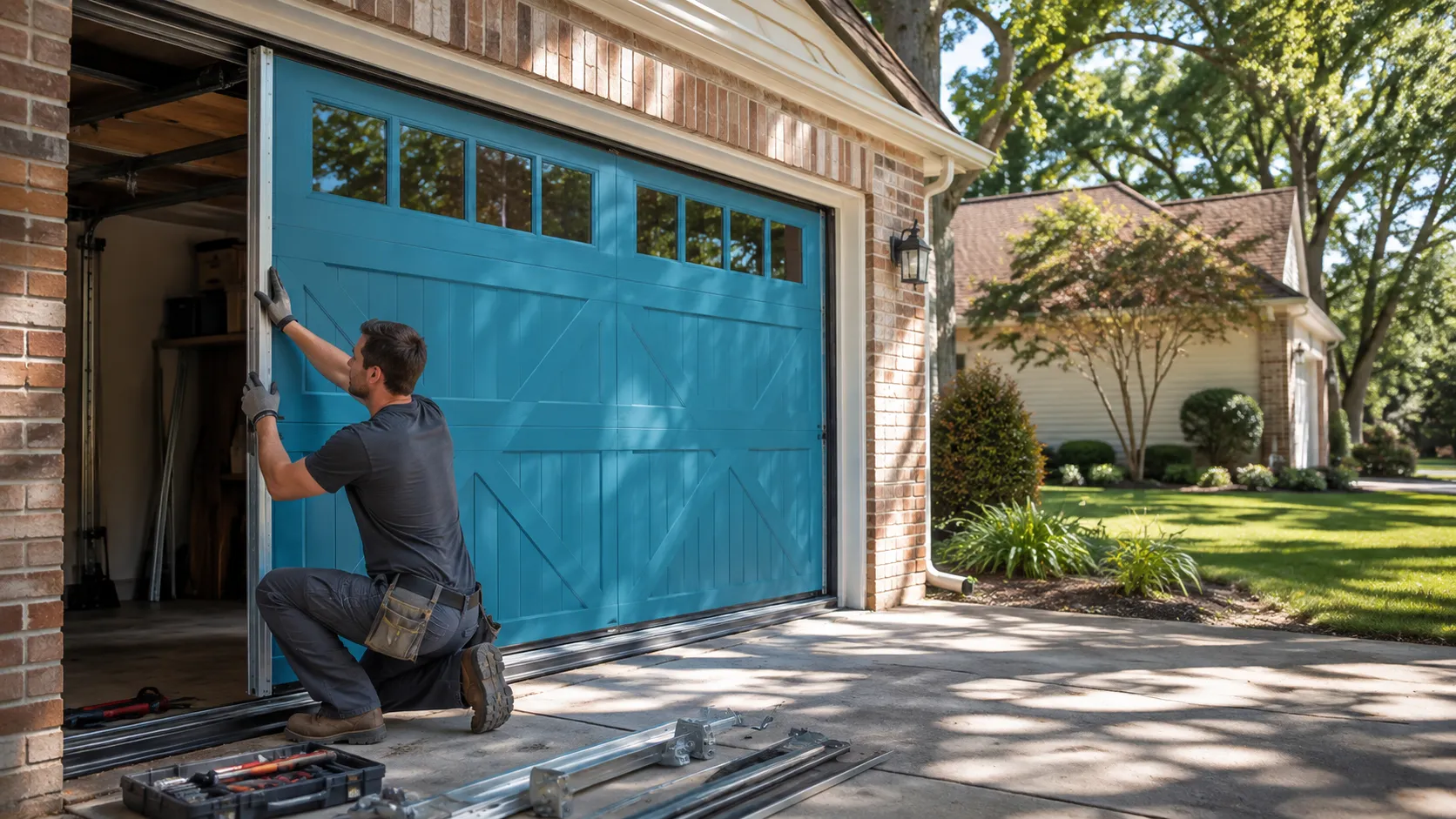
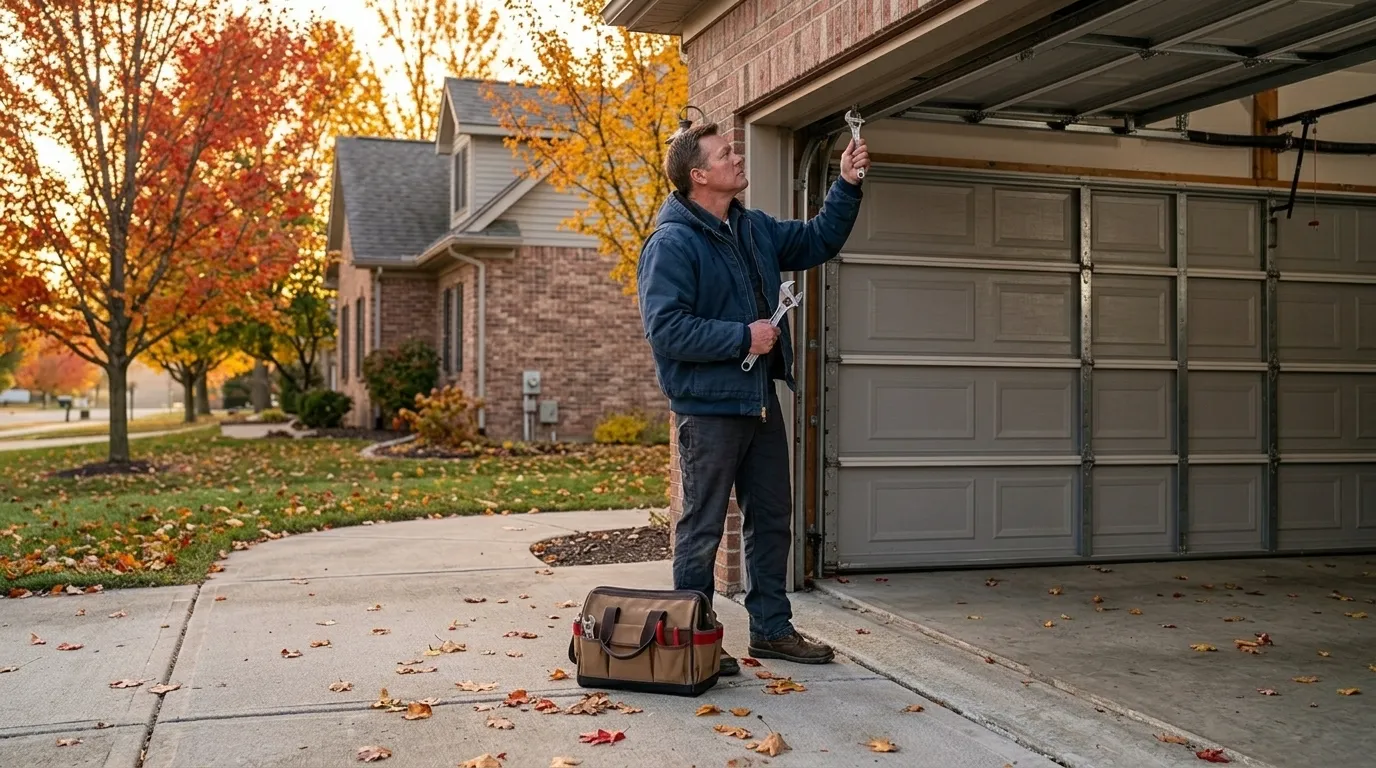
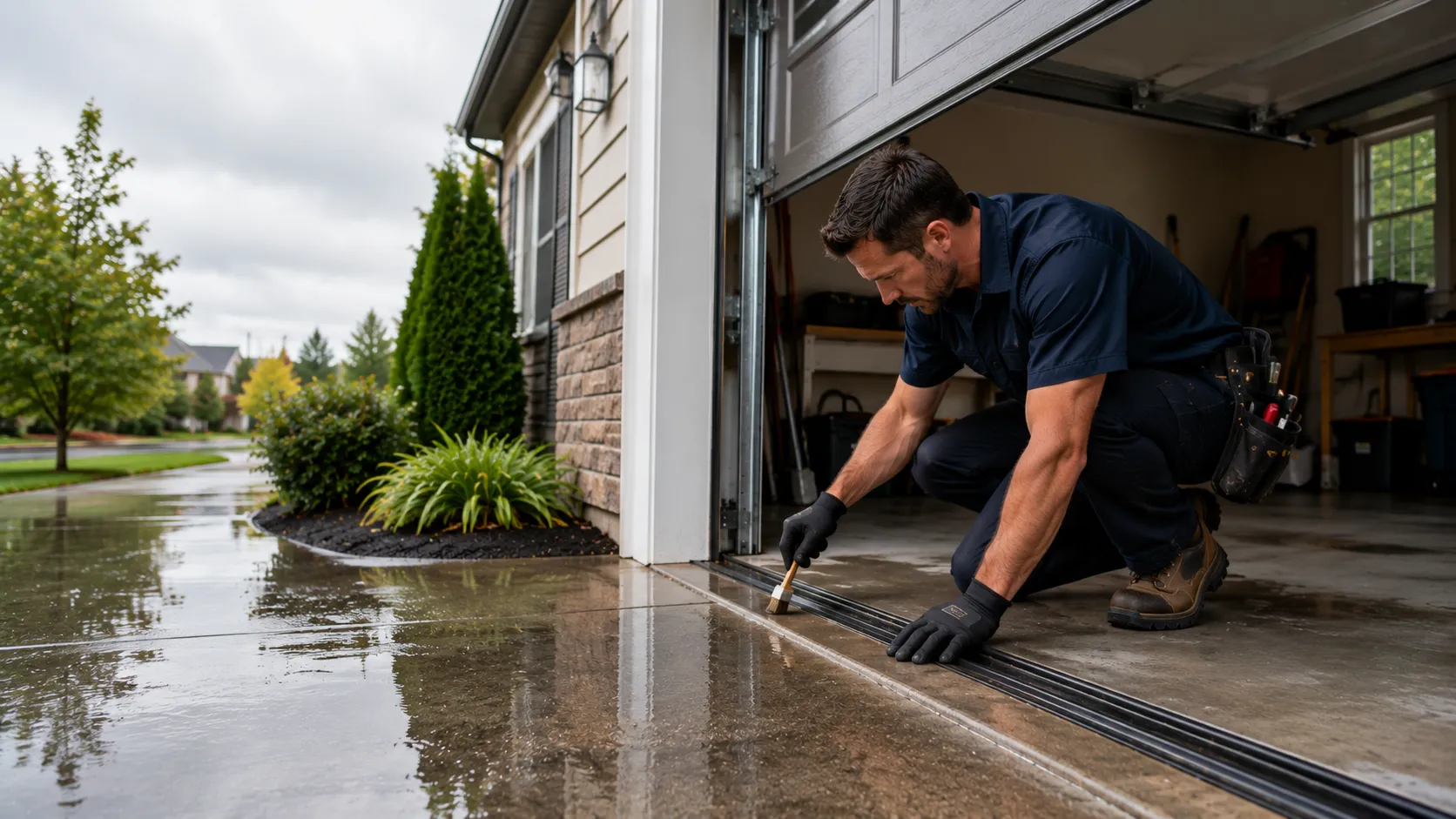
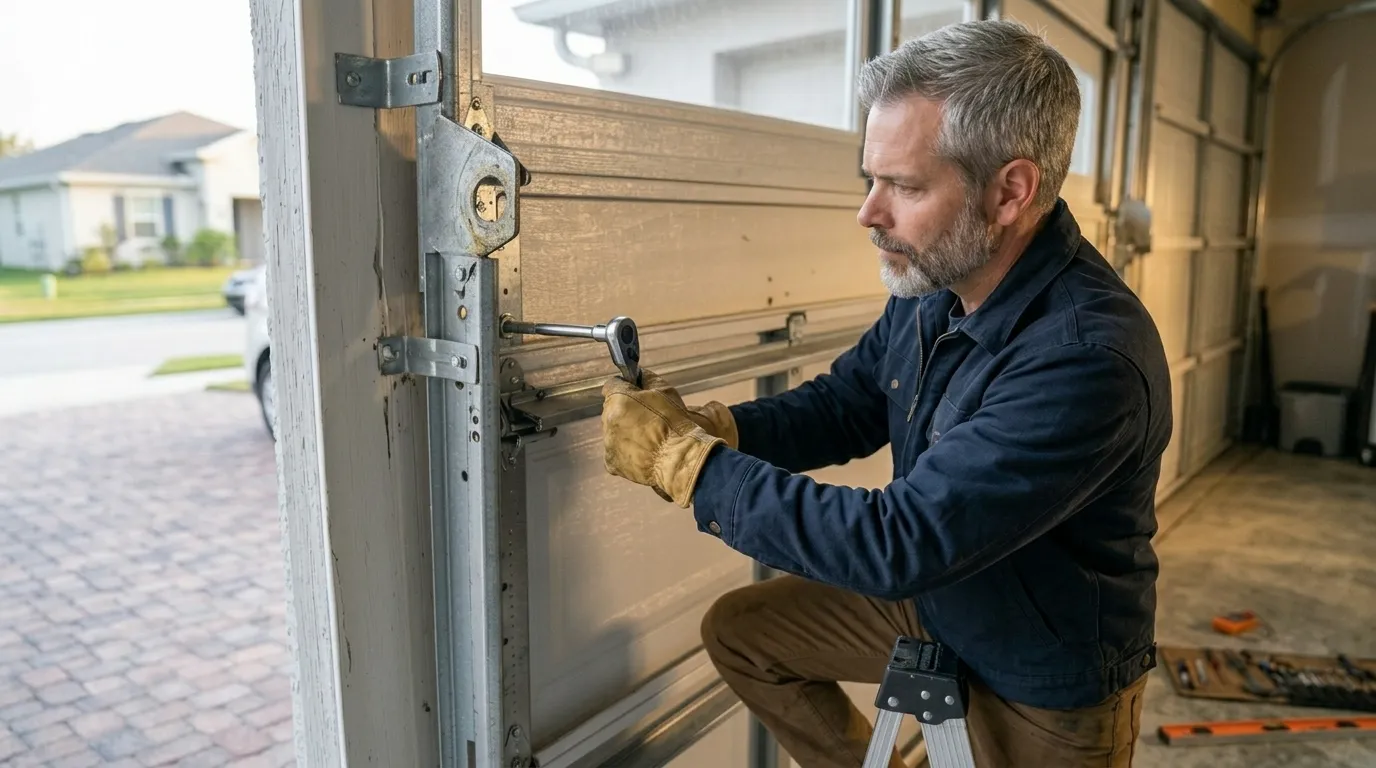
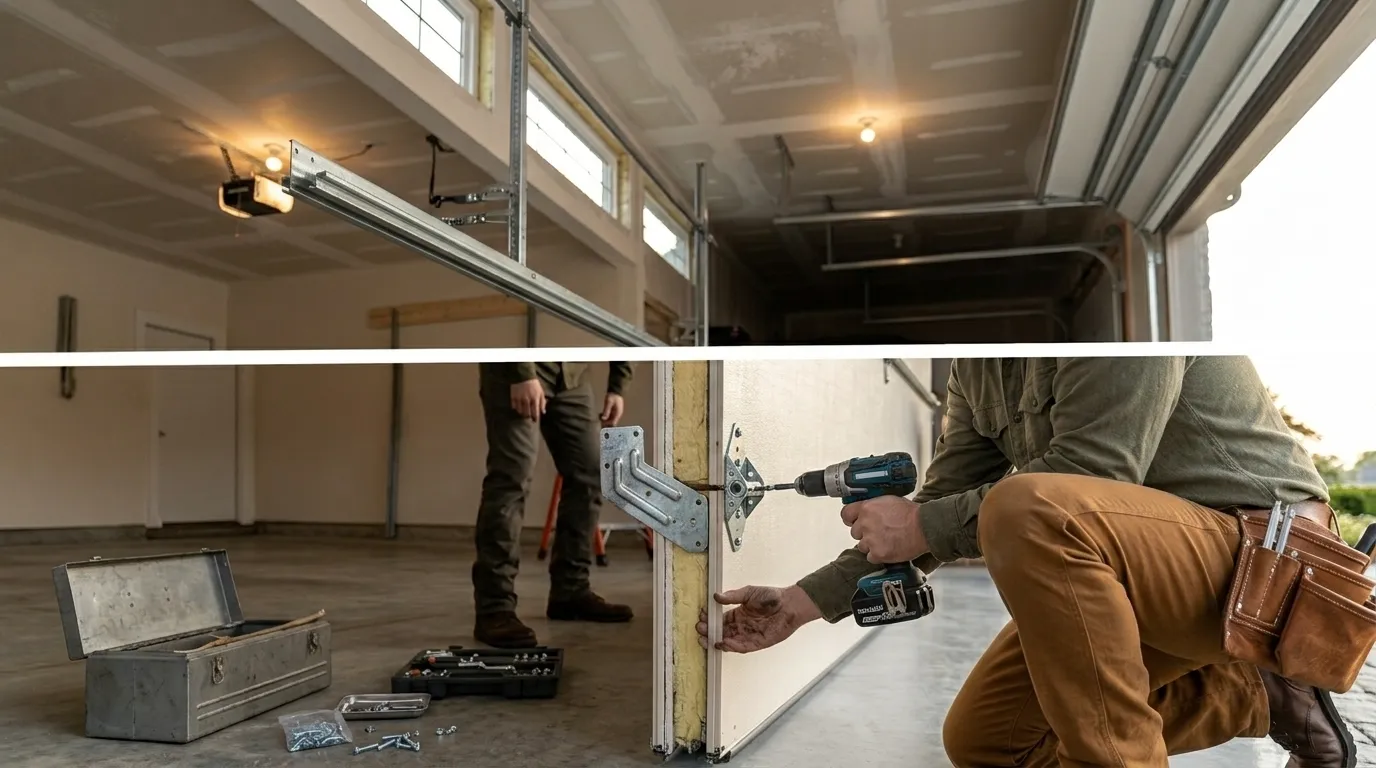
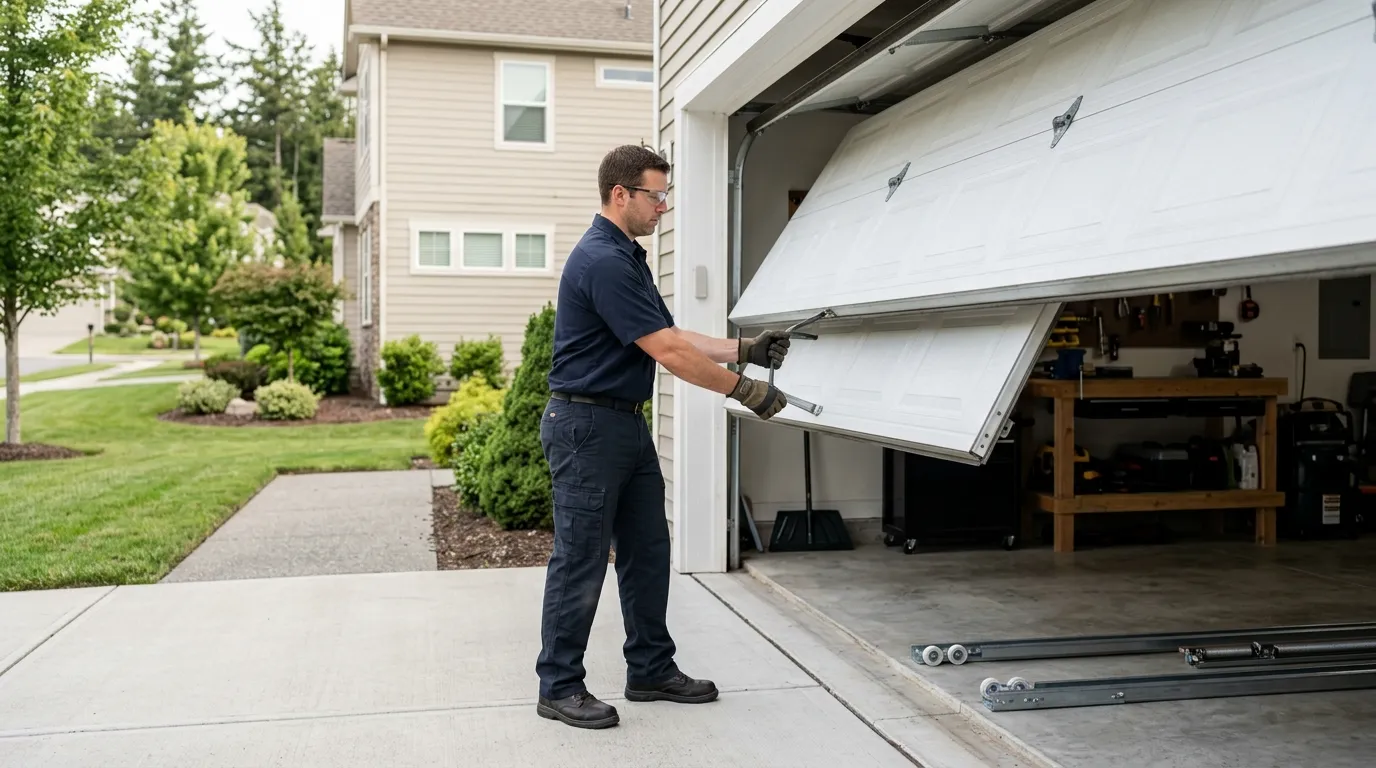
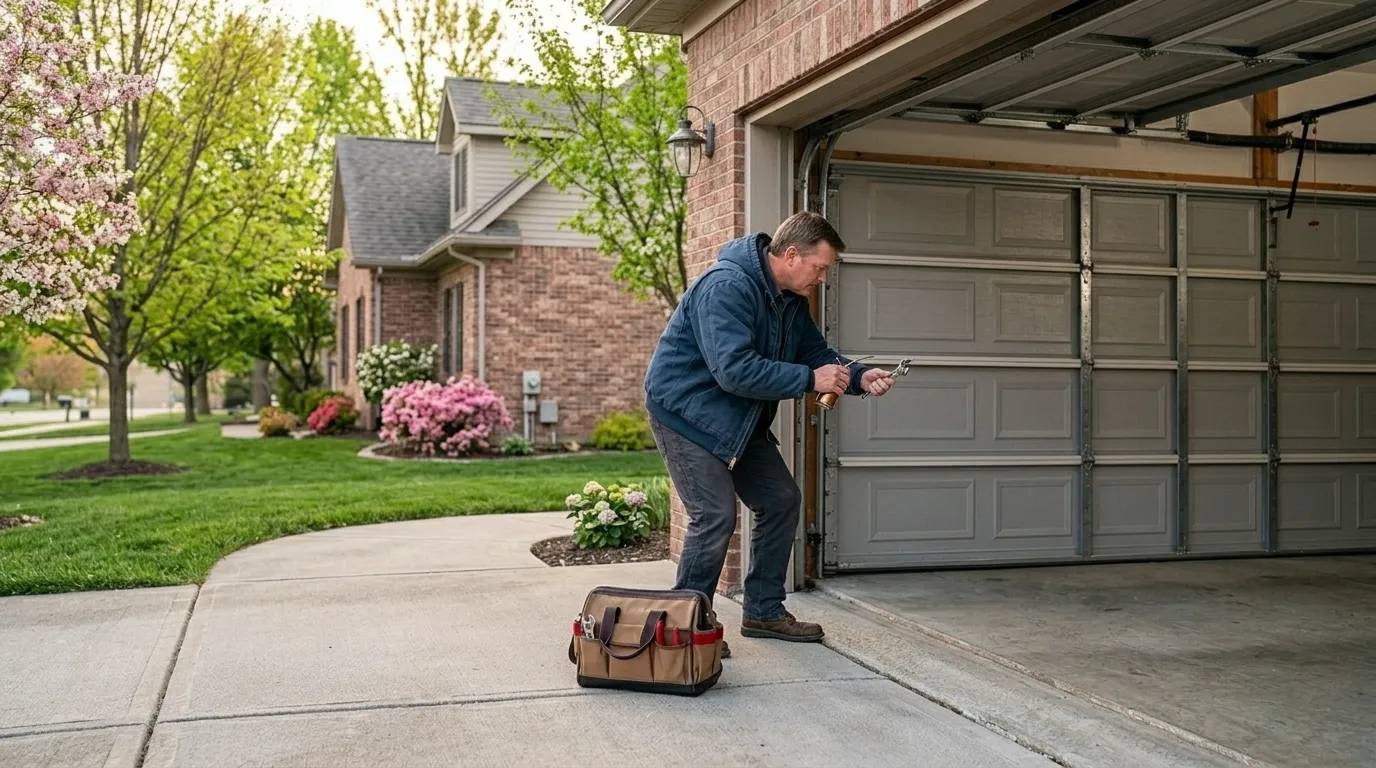
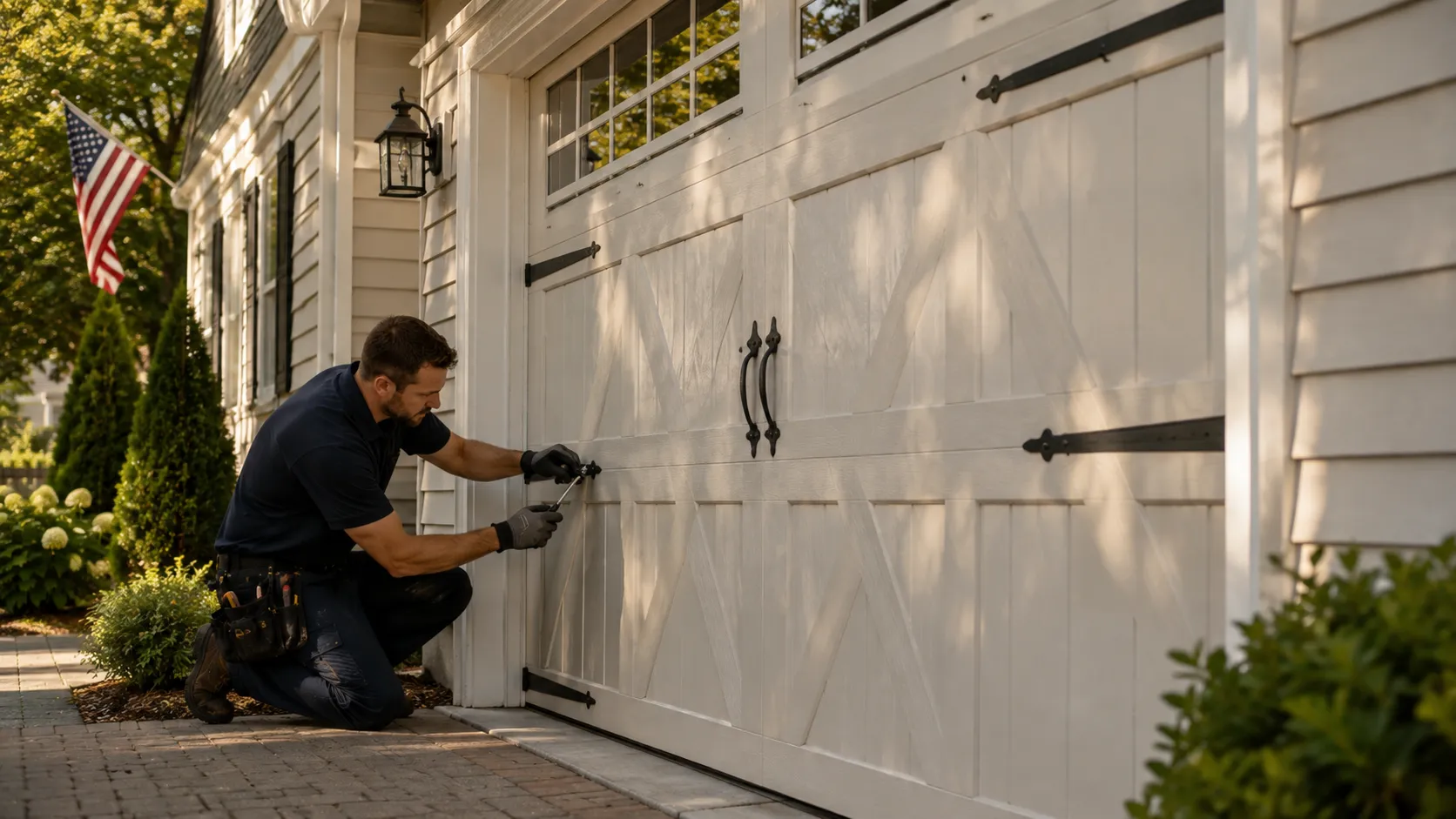
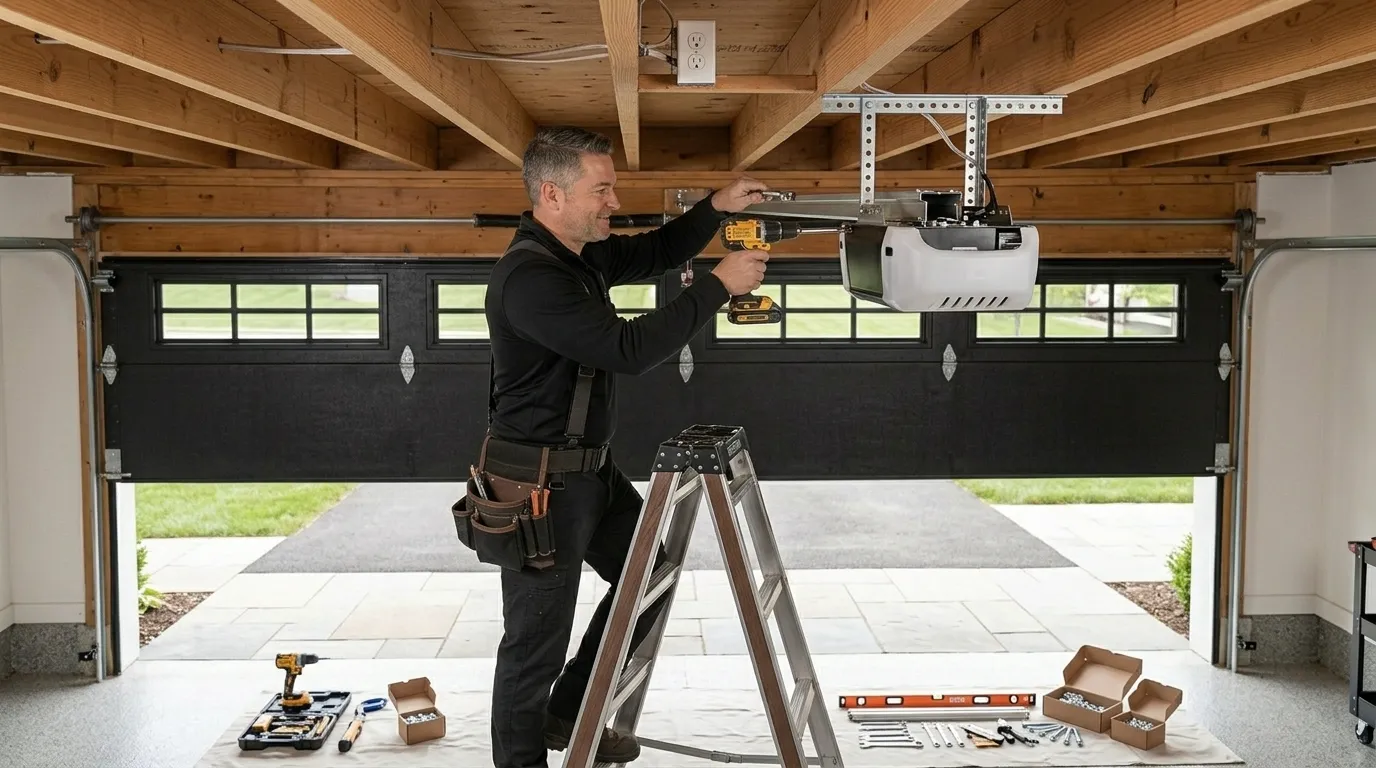
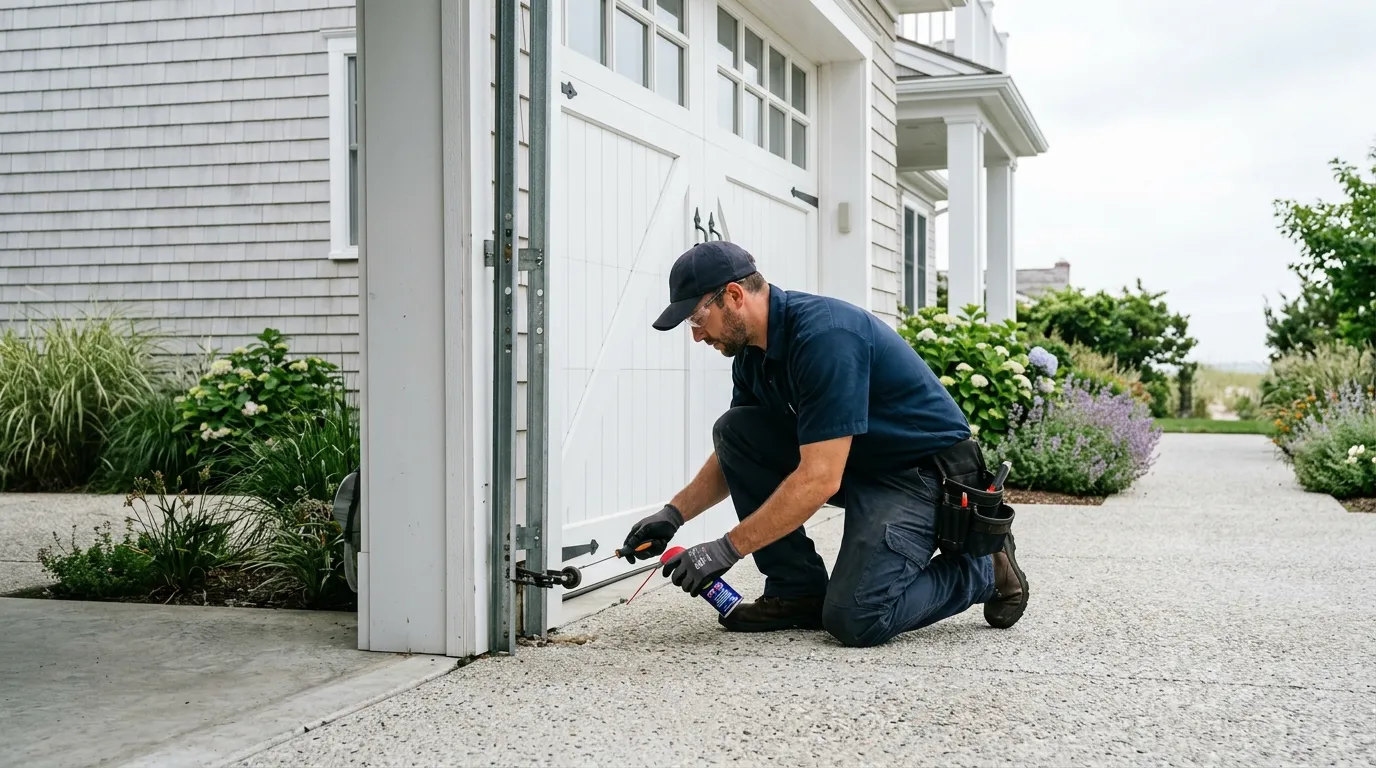
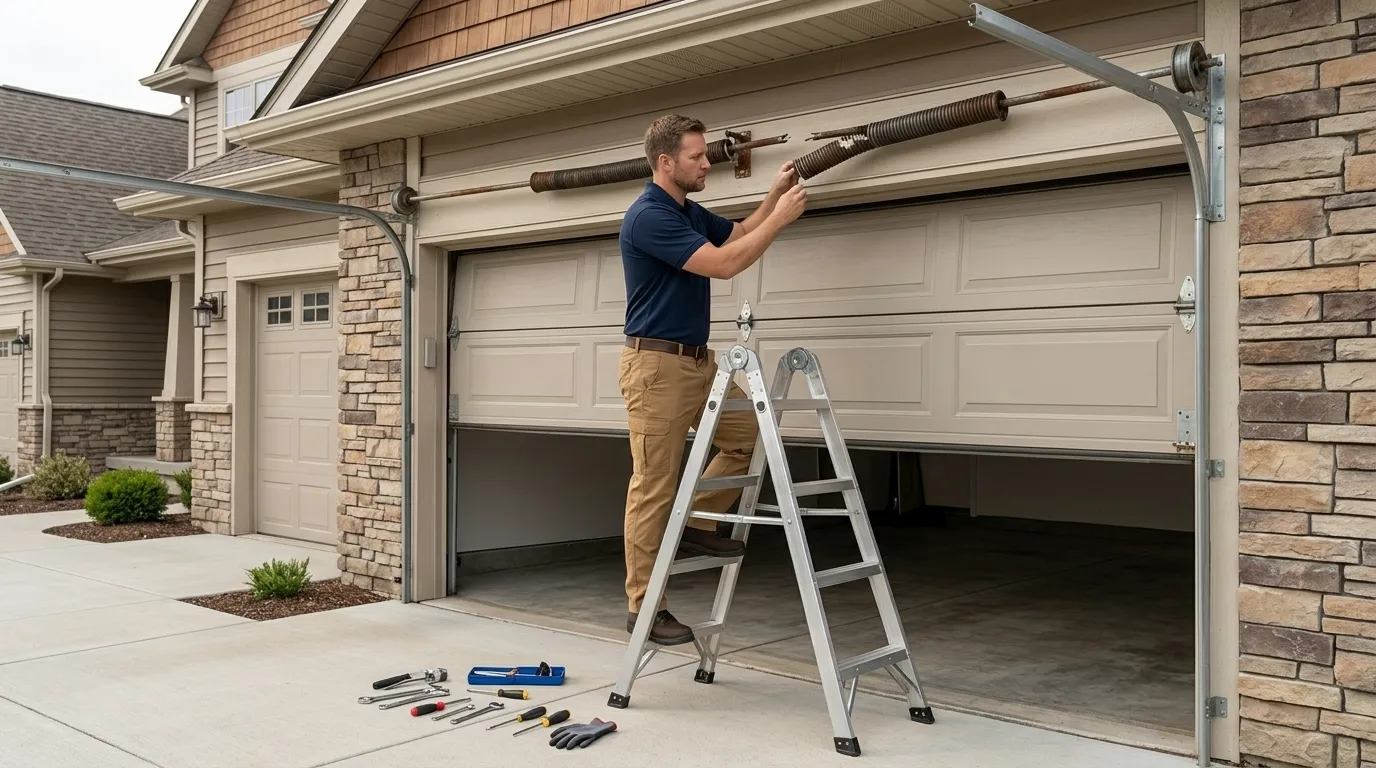
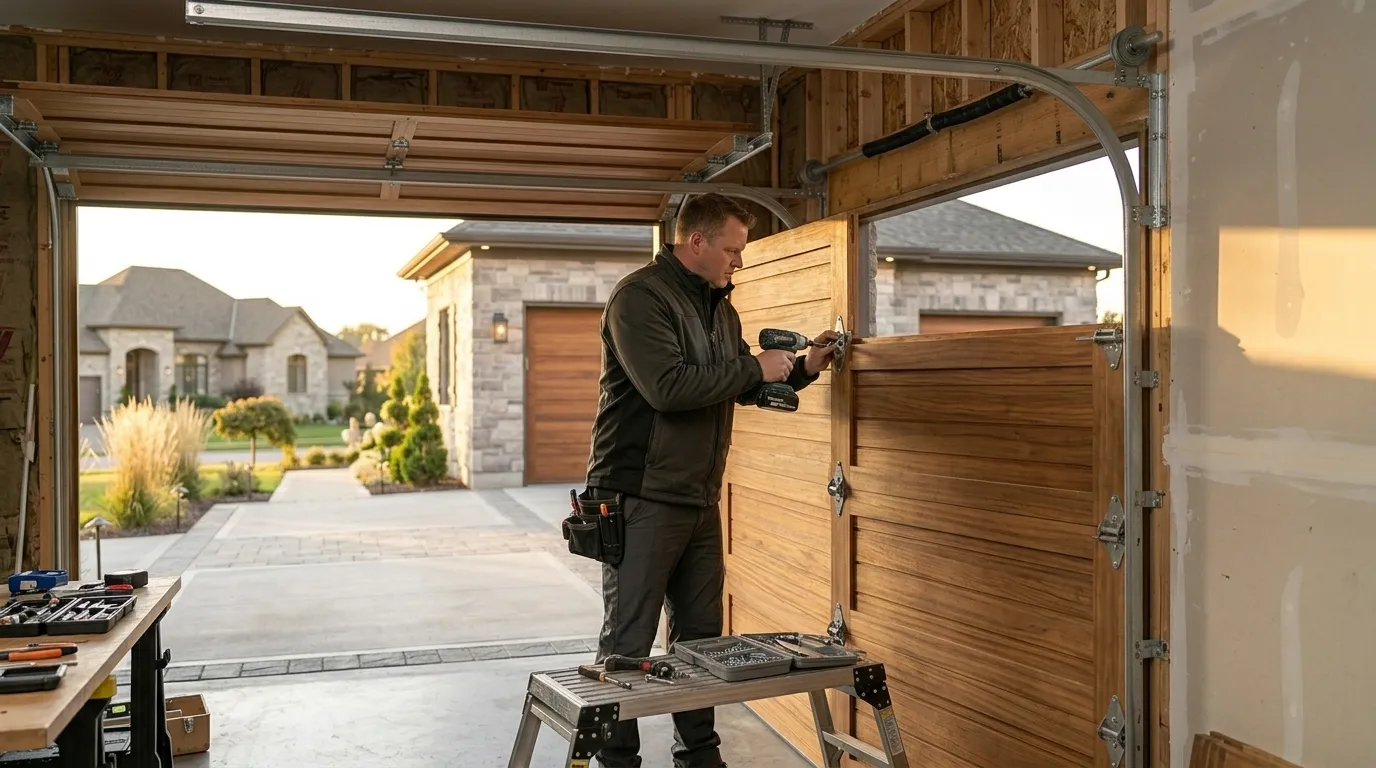
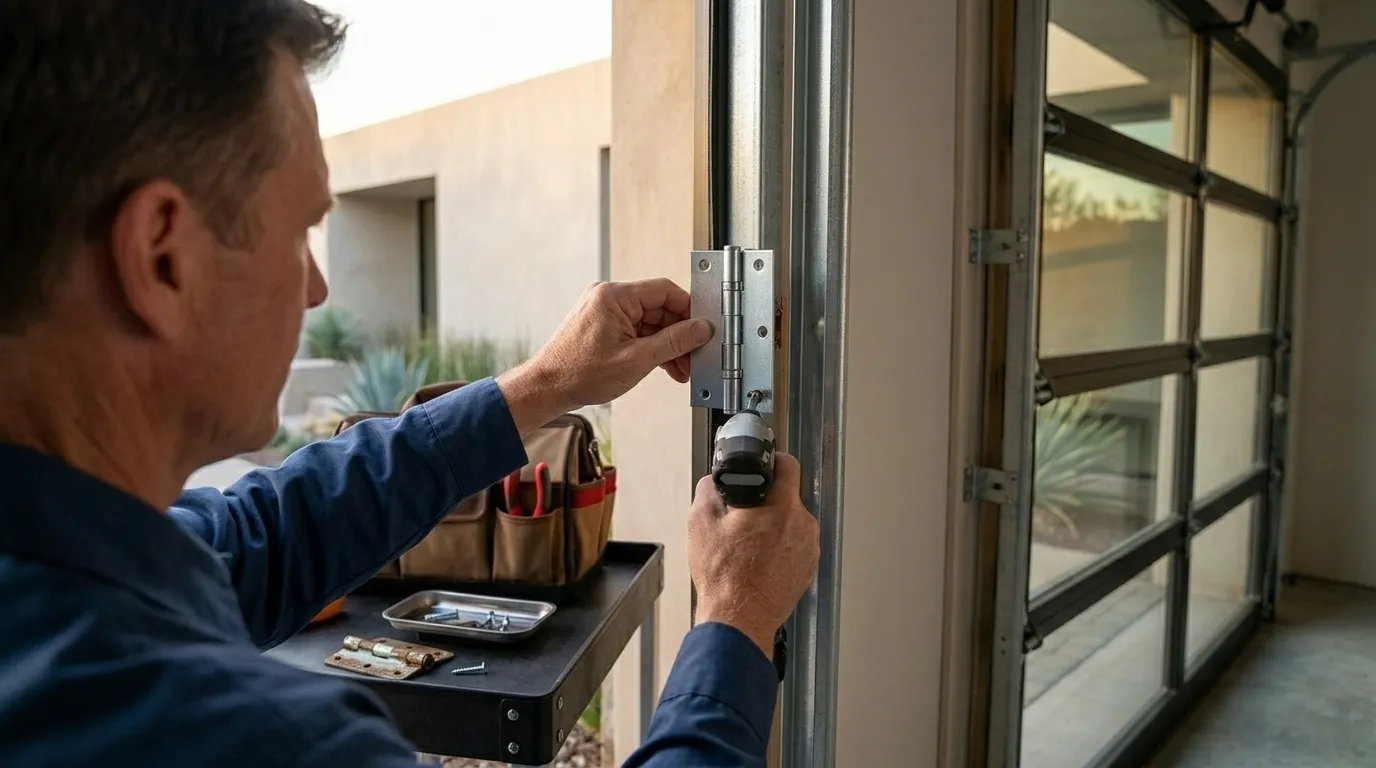
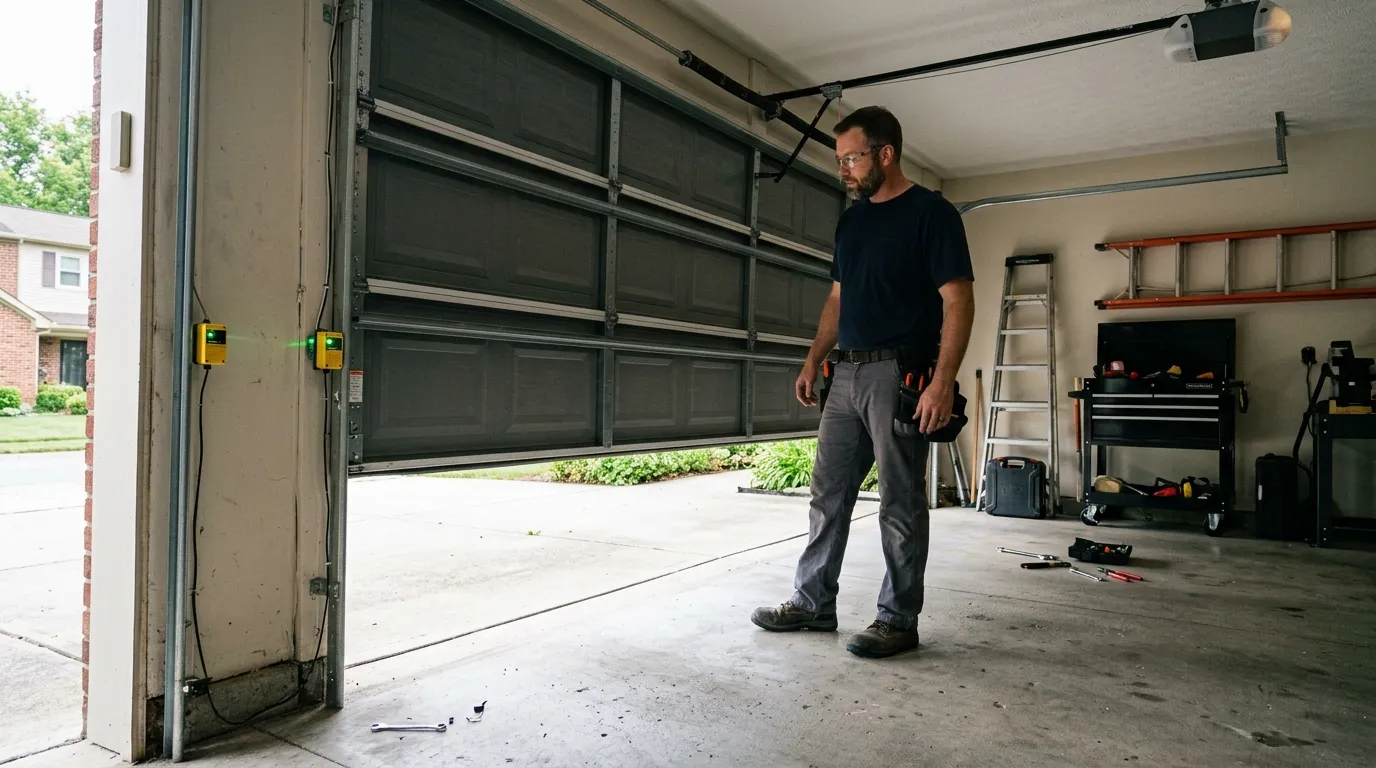
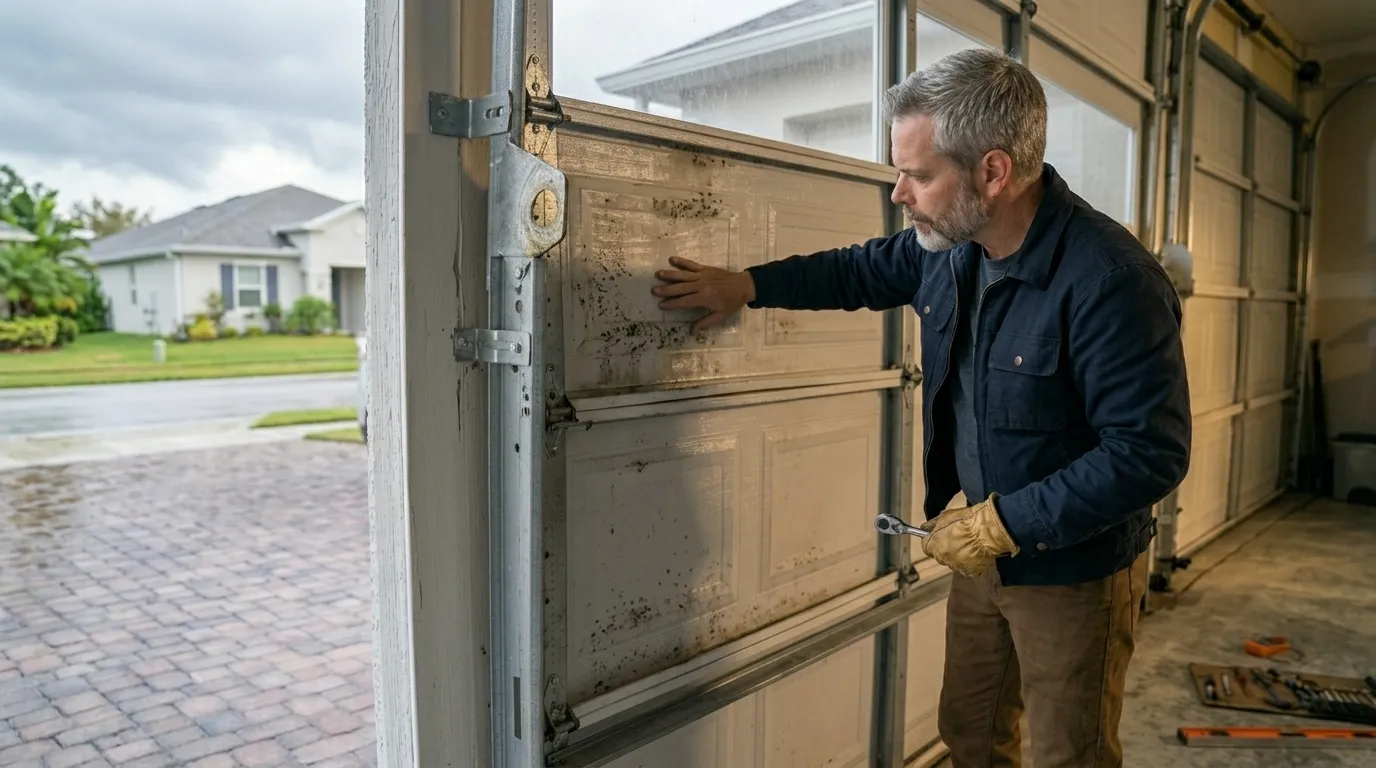
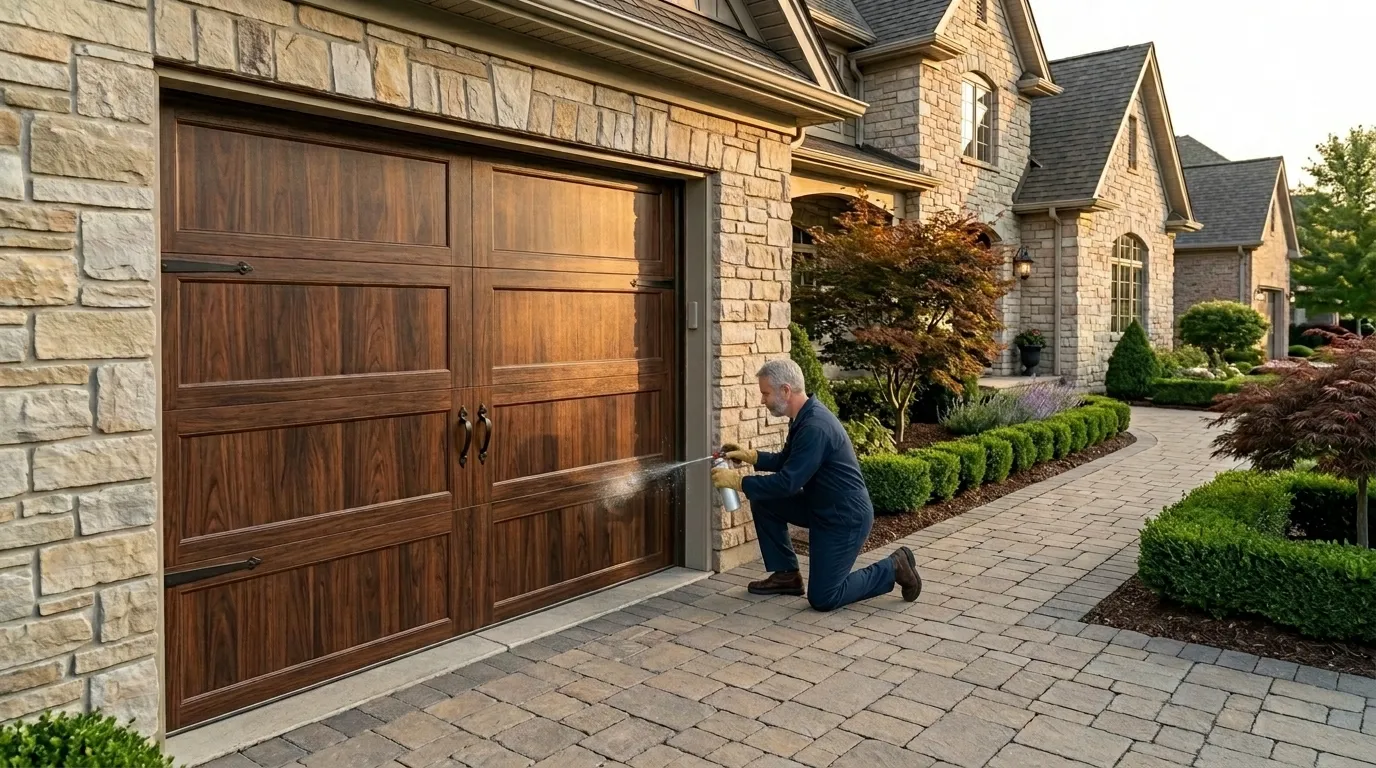
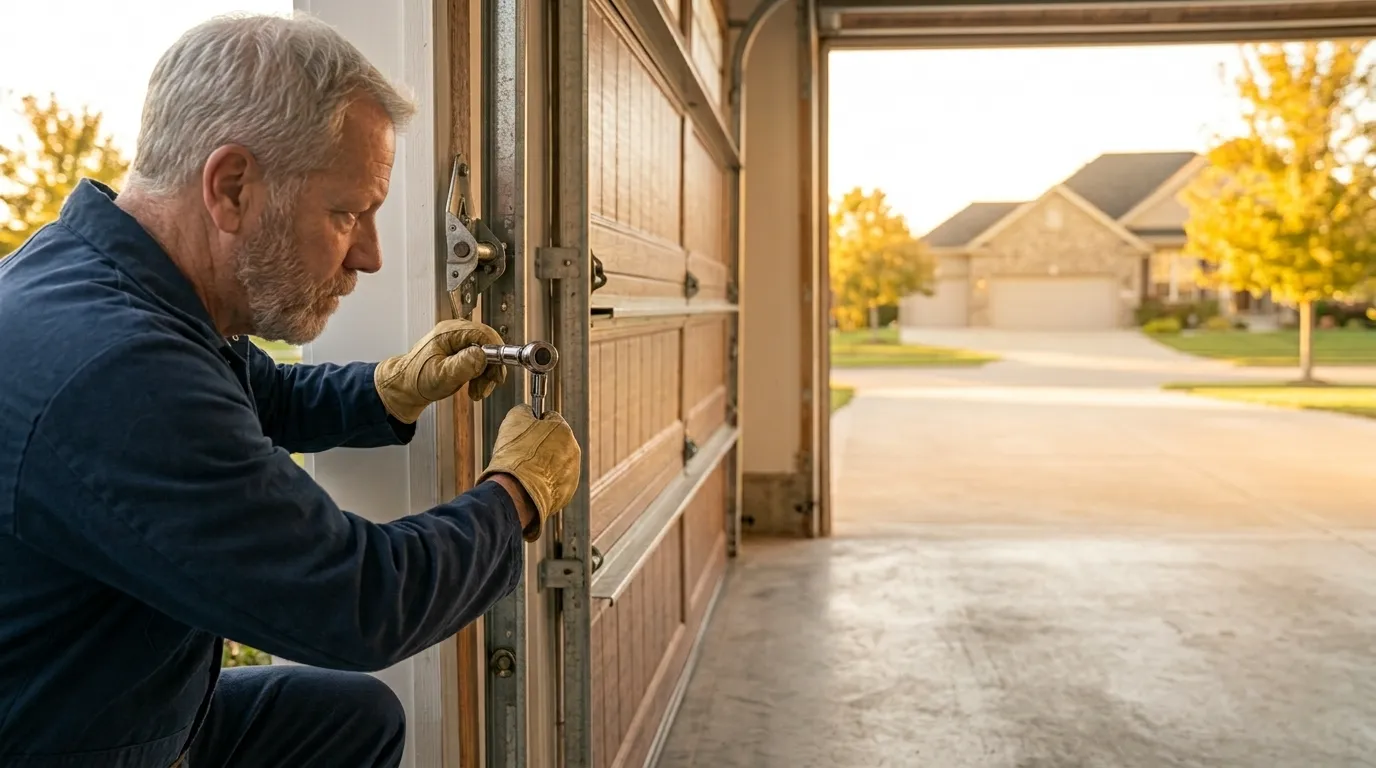
A standard maintenance visit on a residential door runs through the same checklist every time: spring tension, cable condition, roller and hinge wear, track alignment, opener force settings and safety reverse, weatherstripping, and hardware fasteners that have worked loose from thousands of cycles. On a single door with no surprises, that's usually done inside an hour.
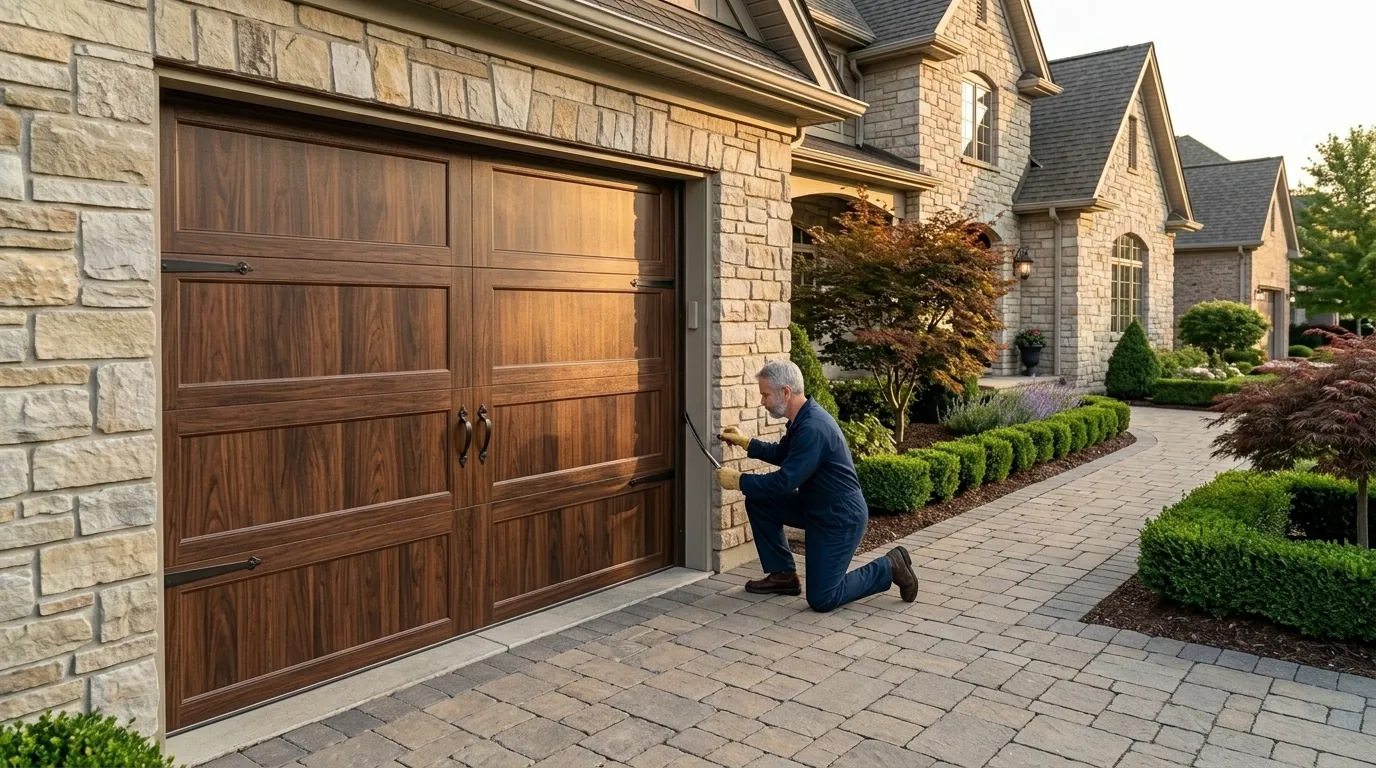
Double doors take longer, mostly because there are two full spring and cable systems instead of one. Older openers - the kind still common in homes built in the earlier part of that 1975-2012 window - sometimes need extra time on force adjustment, since they were never built with the auto-reverse sensitivity that current code expects.
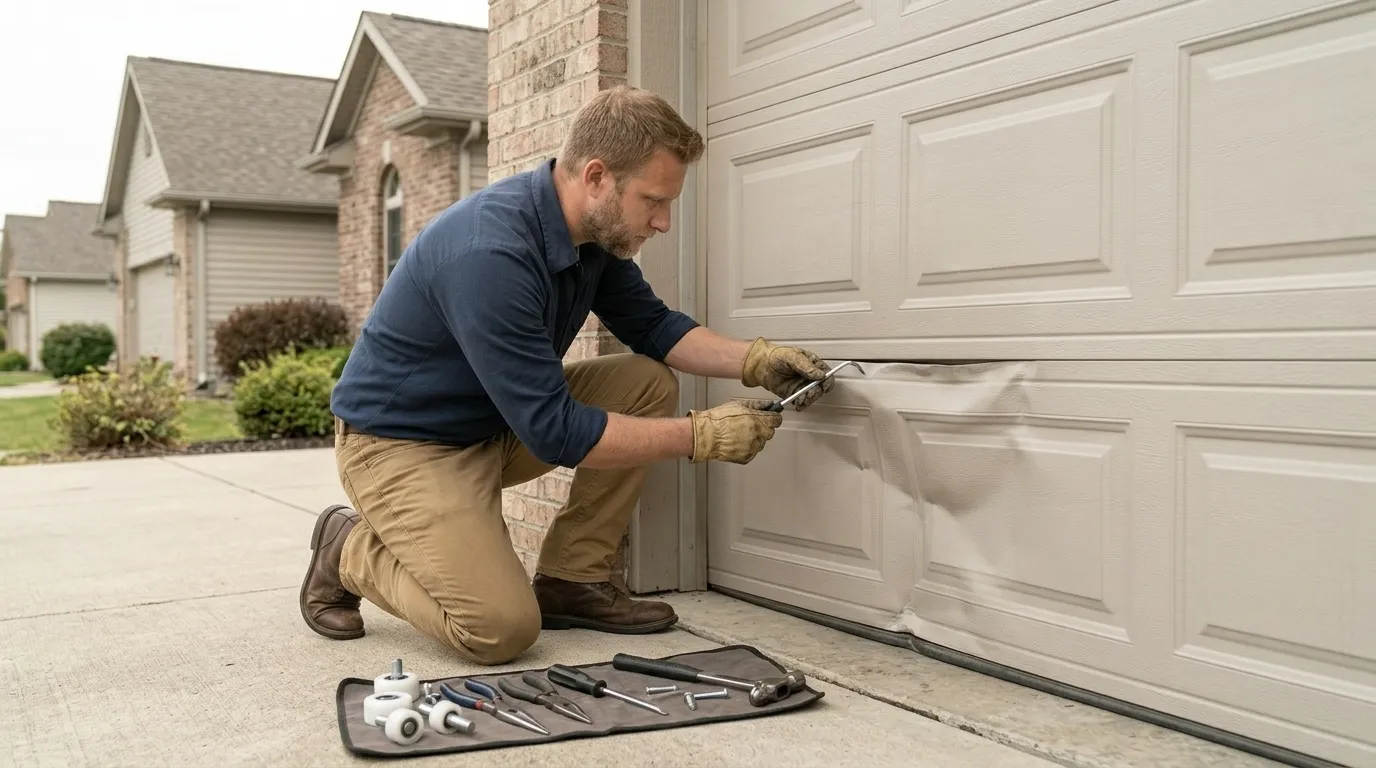
We won't pretend every visit is routine. If a spring is already showing corrosion or a cable strand is frayed, we'll tell you on the spot rather than finish the checklist and call it done - that's a repair conversation, not a tune-up. Maintenance is preventive work; it's not built to double as a repair appointment, and stretching it into one usually means rushing something that shouldn't be rushed.
Why It Happens Here
This area sits in a severe cold climate band, and that matters more for garage doors than most homeowners expect. Steel torsion springs lose tension and become brittle with temperature swings, and the freeze-thaw cycle common here works metal fatigue faster than it would in a milder climate. Grease that's fine in July turns to sludge in a hard January cold snap, which is when openers start straining and rollers start binding.
Add in the age of the housing stock - built mostly in the 2000s across the fourteen named areas we cover - and you've got a lot of doors reaching the point where factory lubrication and factory spring life are both running out at the same time the winters are hardest on them. A door that's never been serviced since it was installed in, say, 2004 is not the same door it was on day one, even if it looks fine.
This isn't a Loveland-specific defect. It's what cold-climate weather does to aging hardware, and it's why maintenance scheduled before winter catches problems that maintenance done in summer sometimes misses.