How Long It Takes
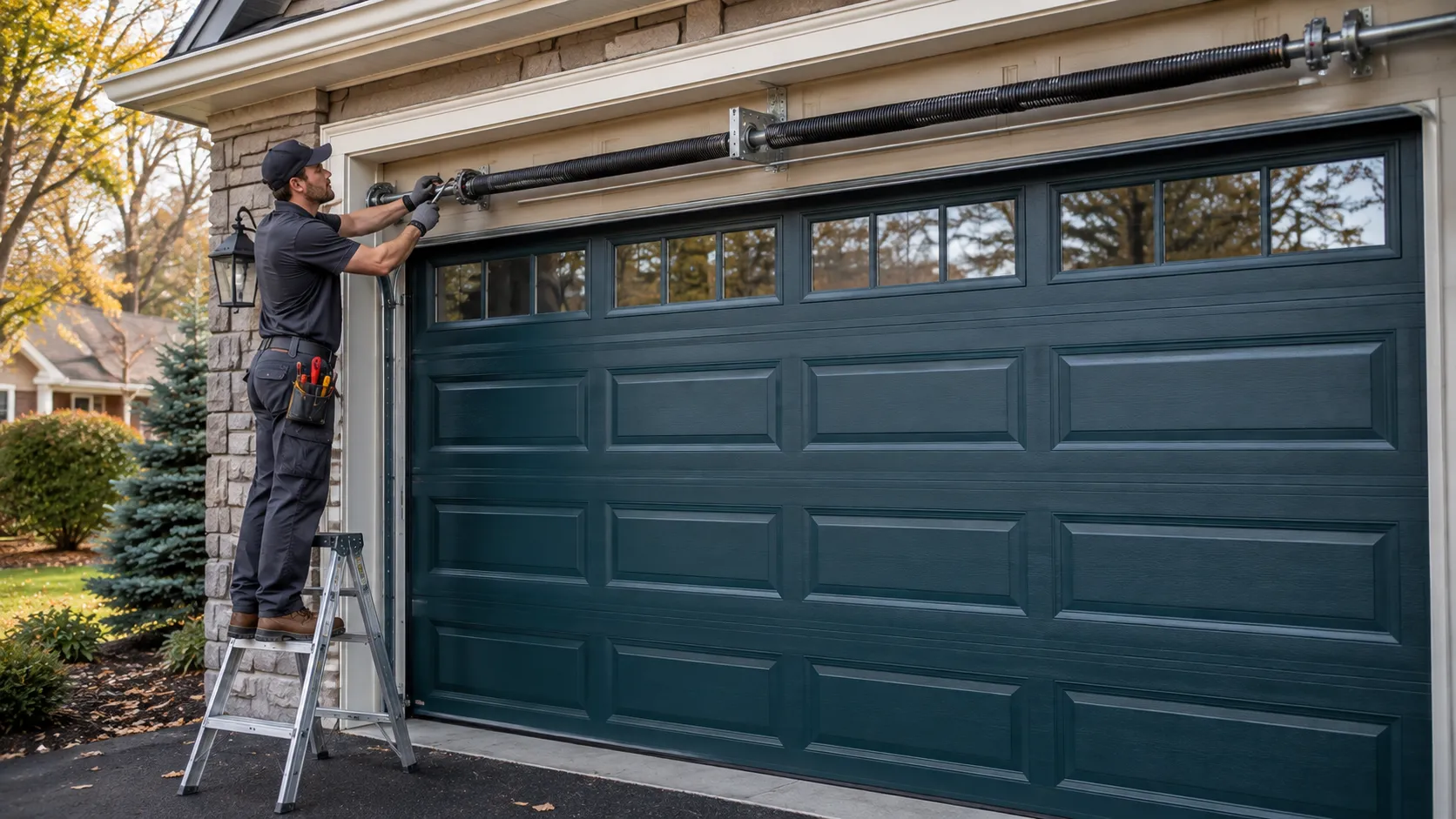
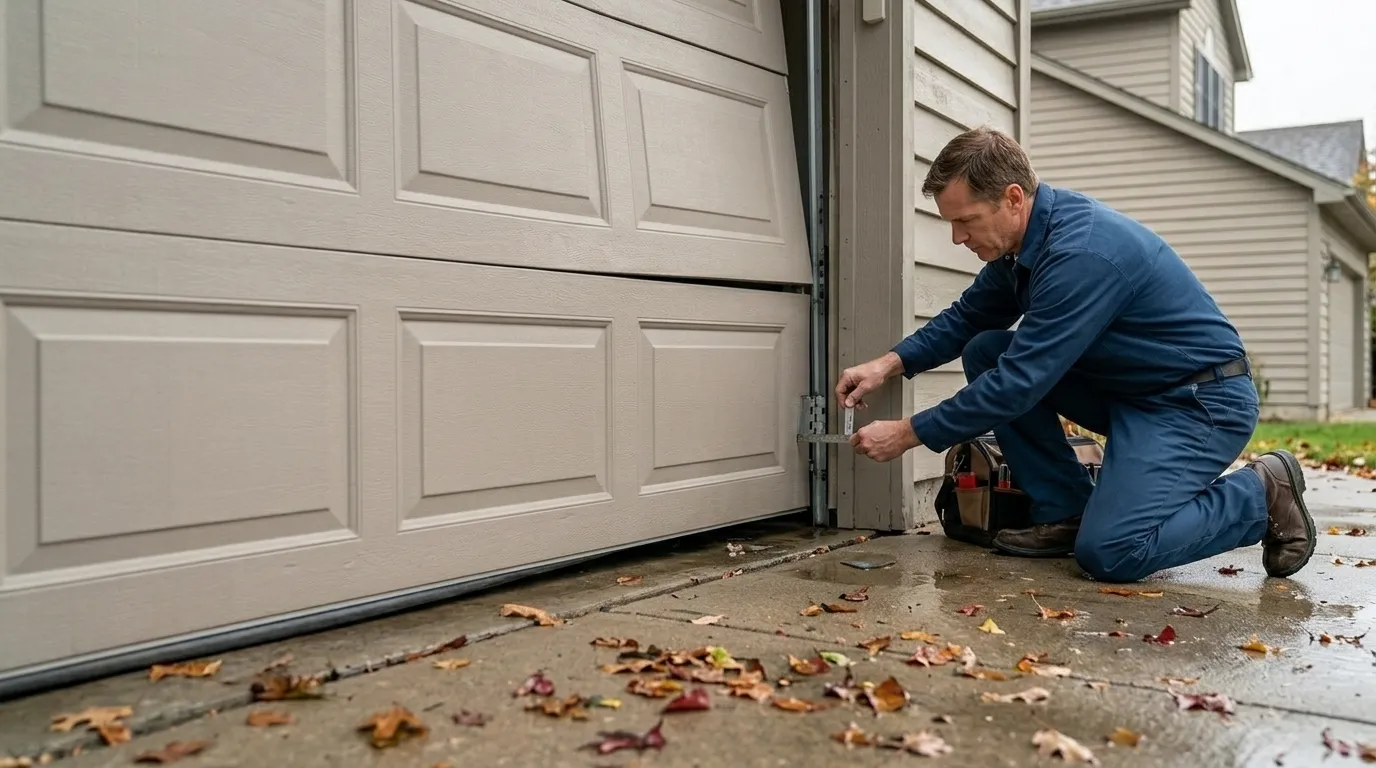
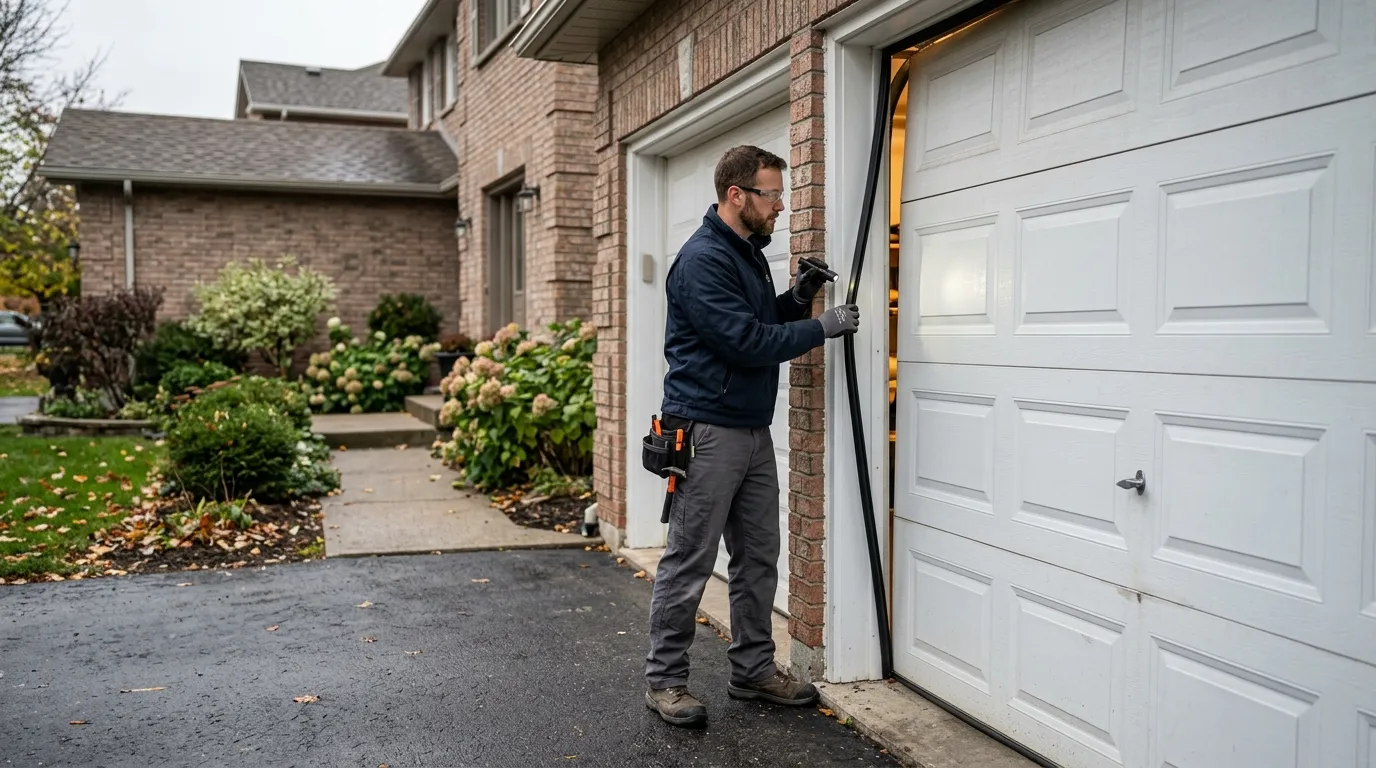
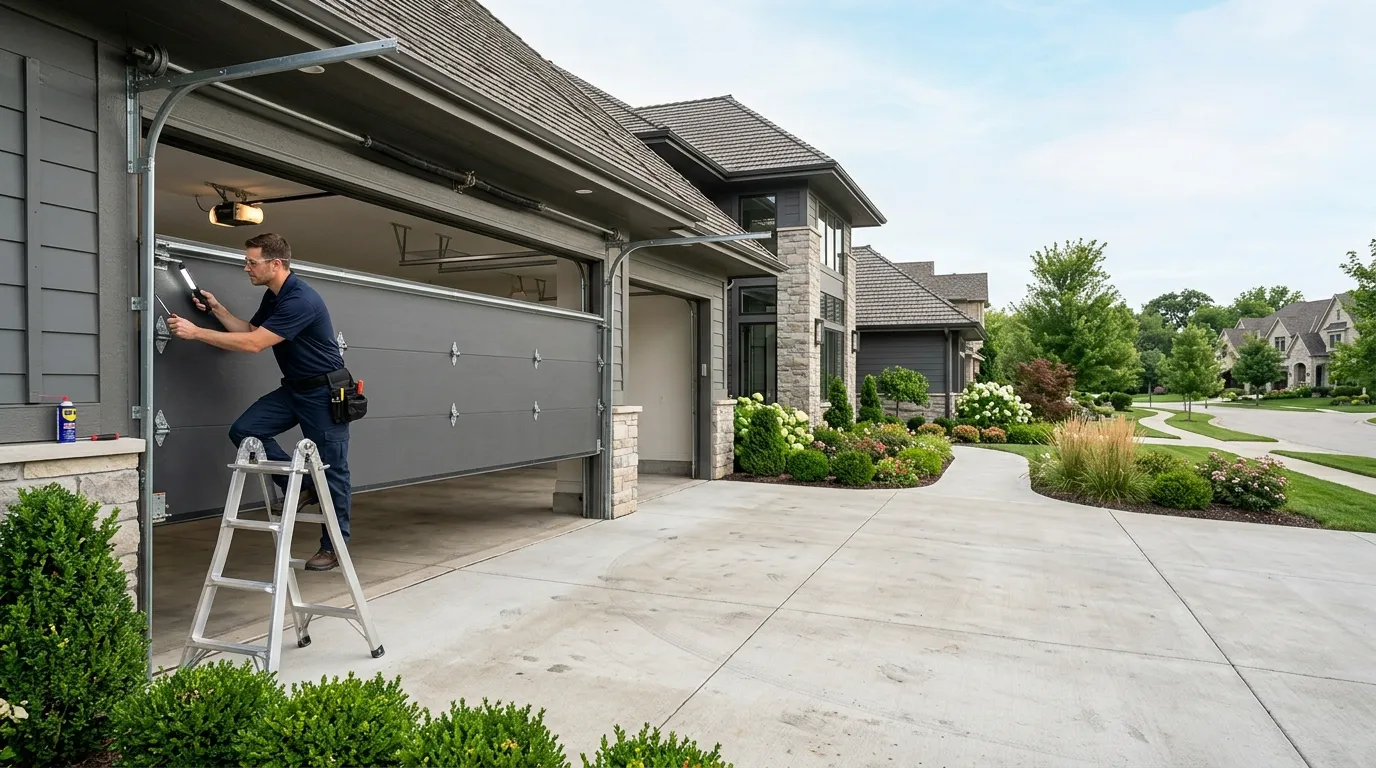
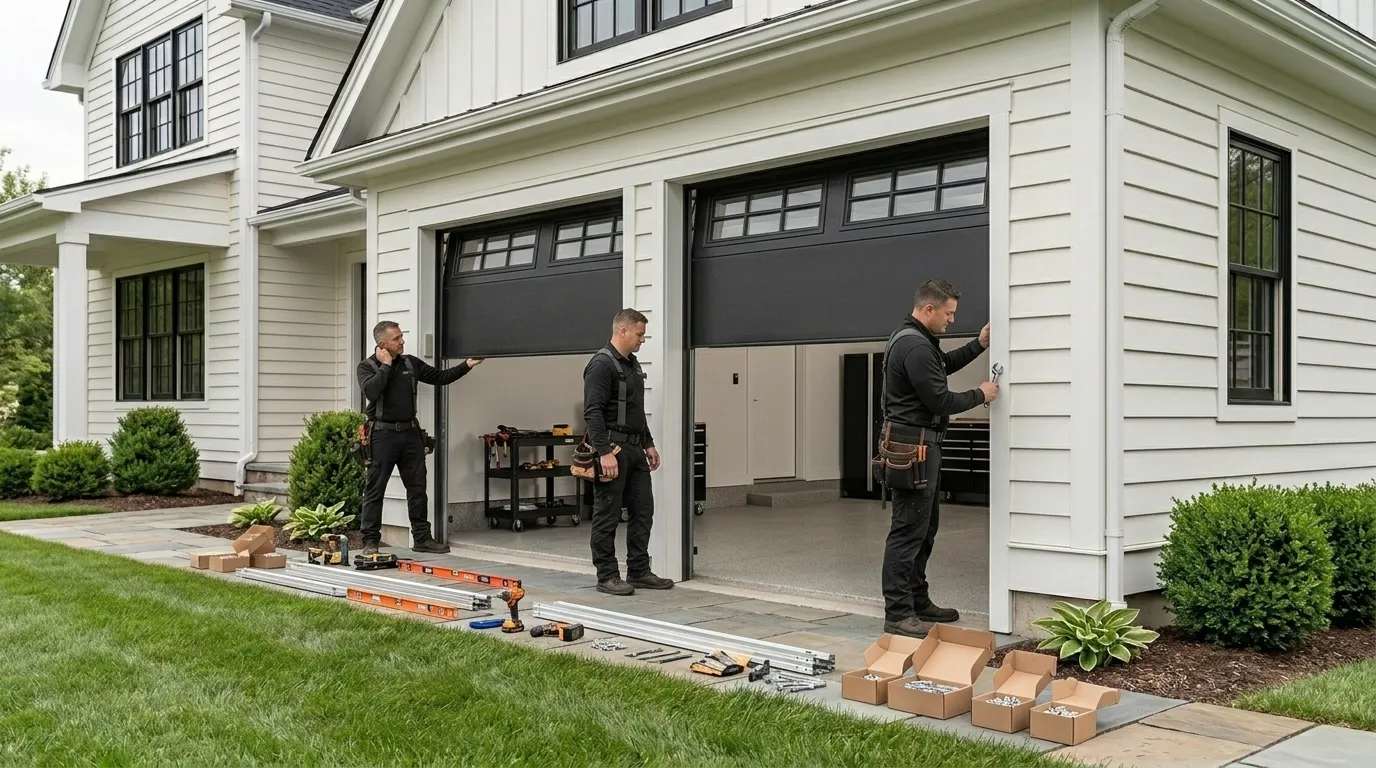
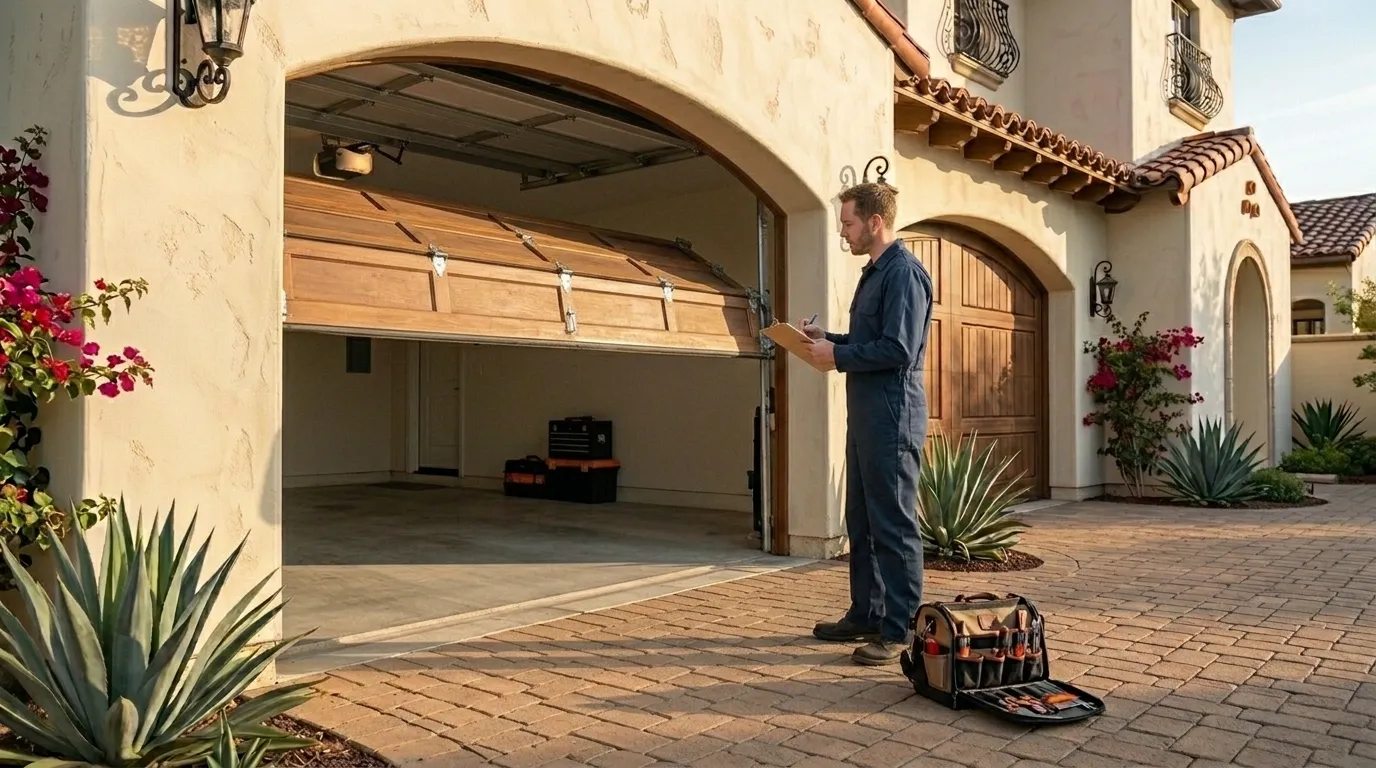
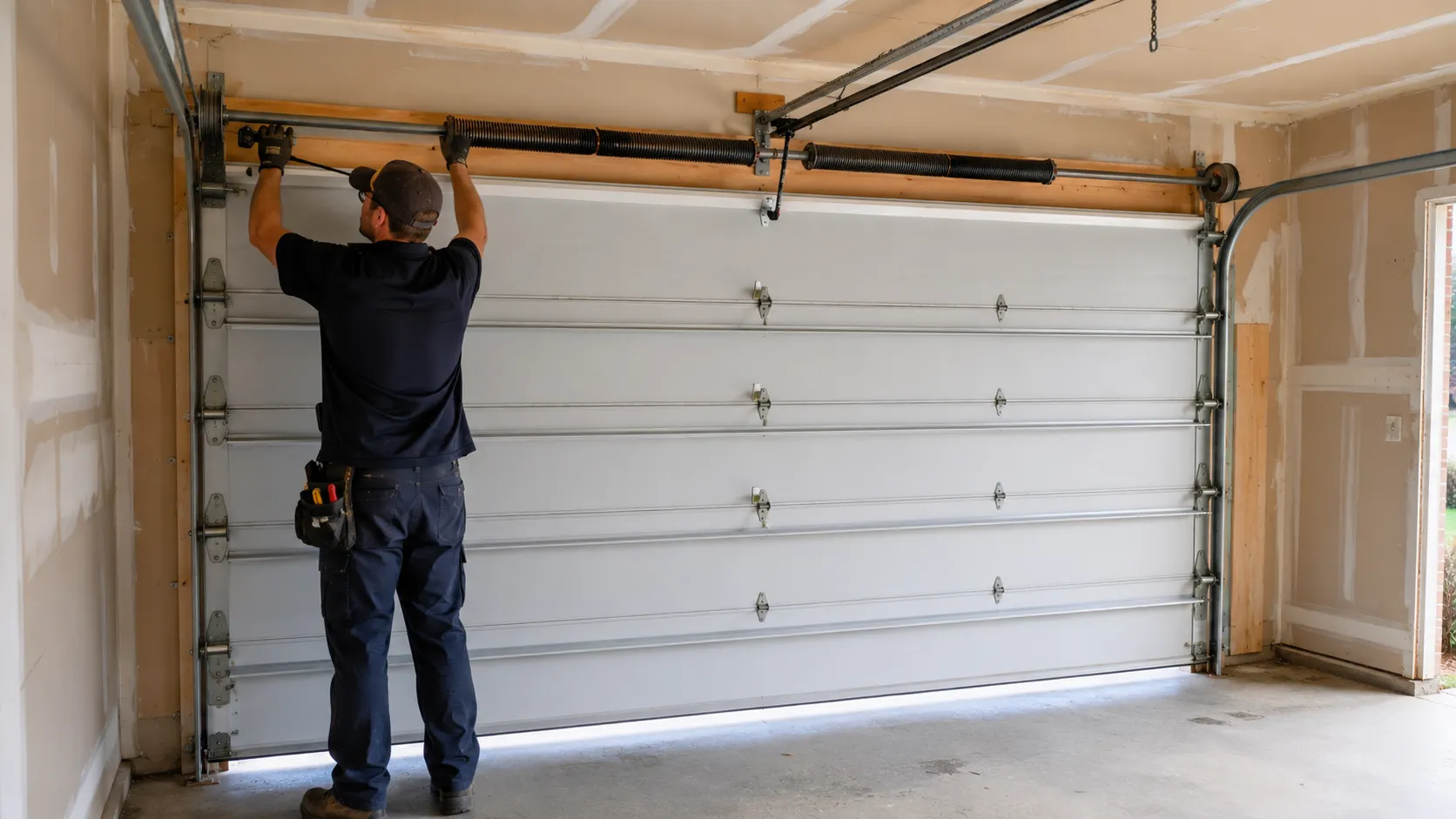
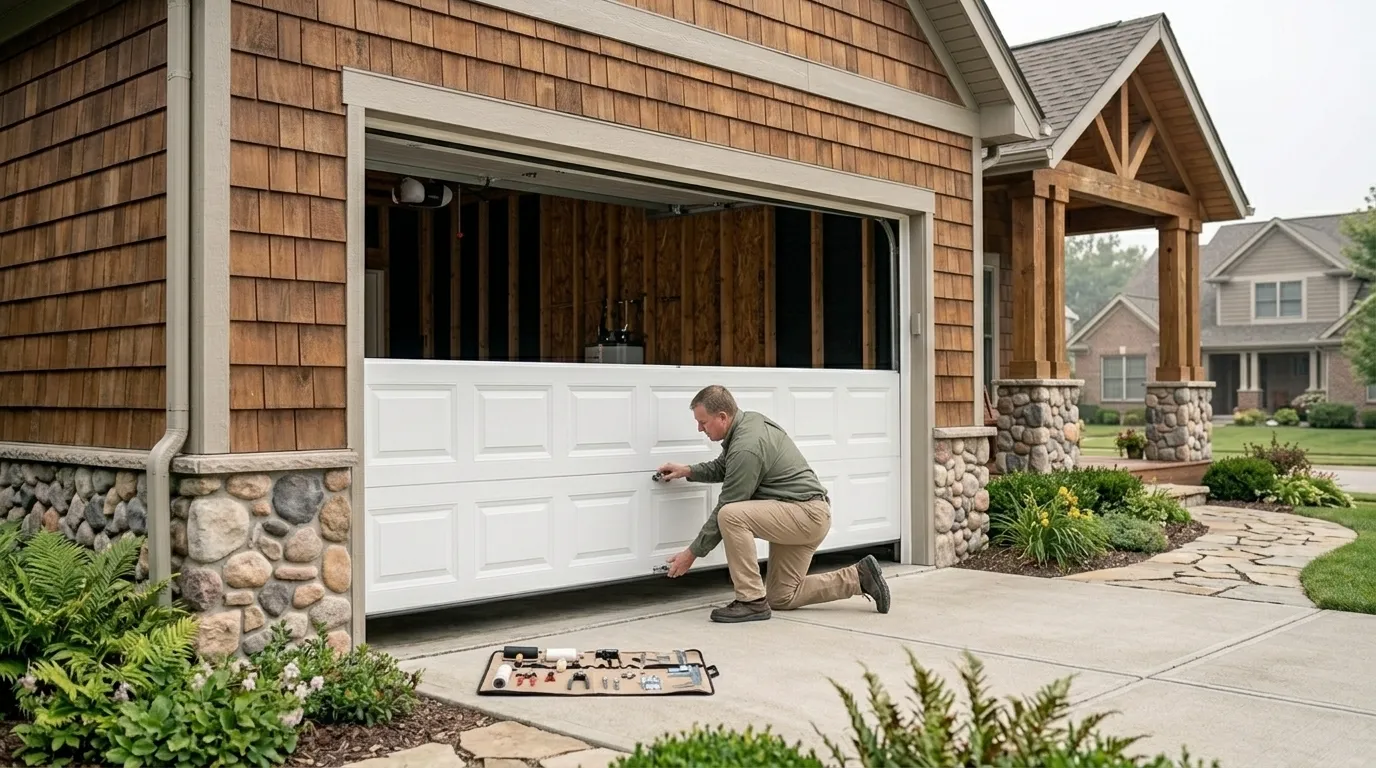
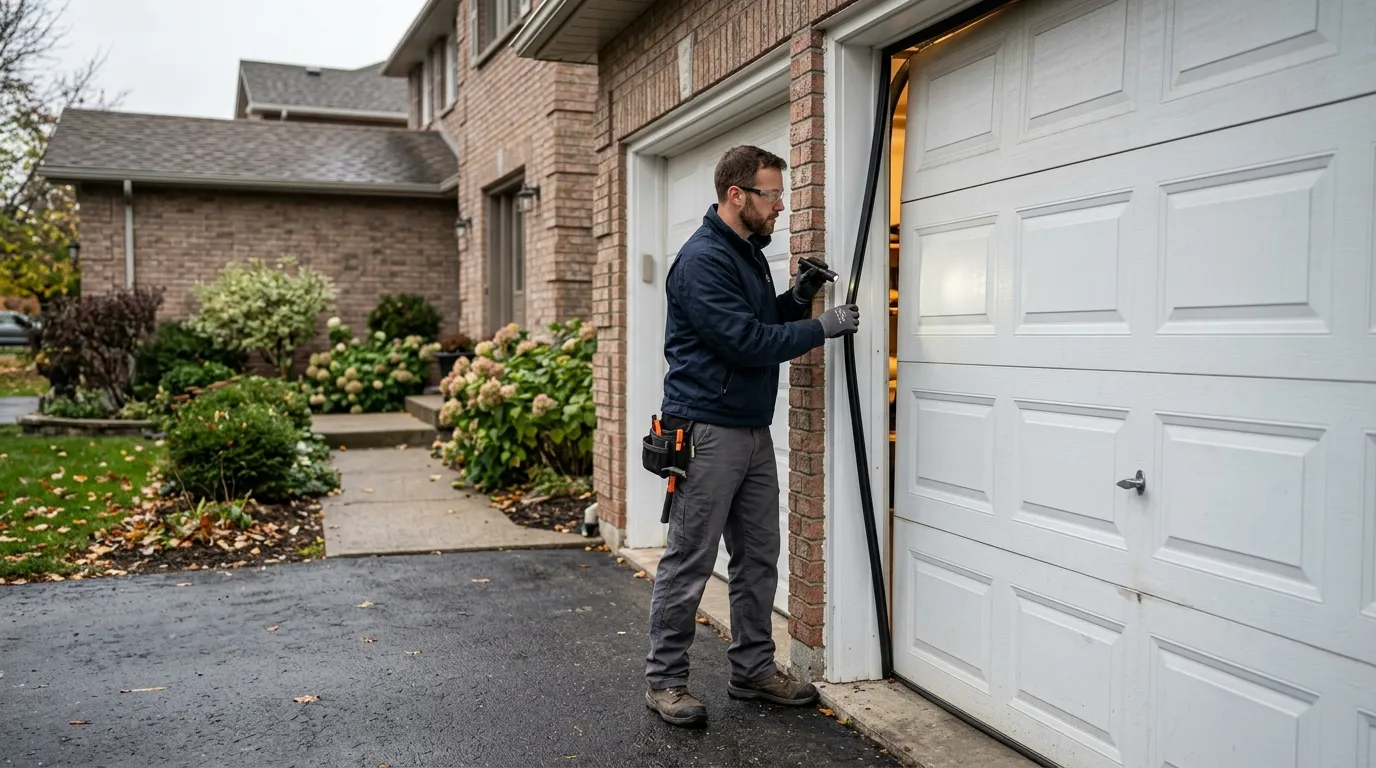
On site, a straight roller swap - all rollers on one door, no track damage - usually runs under an hour once the truck is parked. The drive from Loveland is short enough that it doesn't eat into the appointment window the way a longer haul out toward some of the farther towns we cover would. What stretches the job is condition, not distance: if the track has worn a groove from years of a bad roller riding sideways, or if a bent track section needs straightening or swapping before new rollers will run true in it, that adds time on top of the base swap. We won't know which situation we've got until we look at the door, and we're not going to guess a number over the phone that turns out wrong once we're standing in the garage.
What Is on the Truck
We carry both nylon and steel ball-bearing rollers, and for houses in Johnstown's age range we lean toward steel unless there's a reason not to. Steel ball-bearing rollers run quieter over time and don't get brittle the way builder-grade nylon does after enough cold winters. We stock rollers in the common stem lengths and shaft sizes that fit doors from the 2000s build era, along with the roller brackets and hinges that sometimes need replacing alongside the roller itself - a cracked hinge is often what's actually letting the roller wander in the track, not the roller. We also carry lubricant meant for the hardware, not the general-purpose stuff that attracts dust and grit. One honest limit: if a track section is bent badly enough that it needs a full replacement length rather than a straightening, we may not have that exact track profile on the truck and would need to order it, which pushes that particular repair to a second visit.
Why It Happens Here
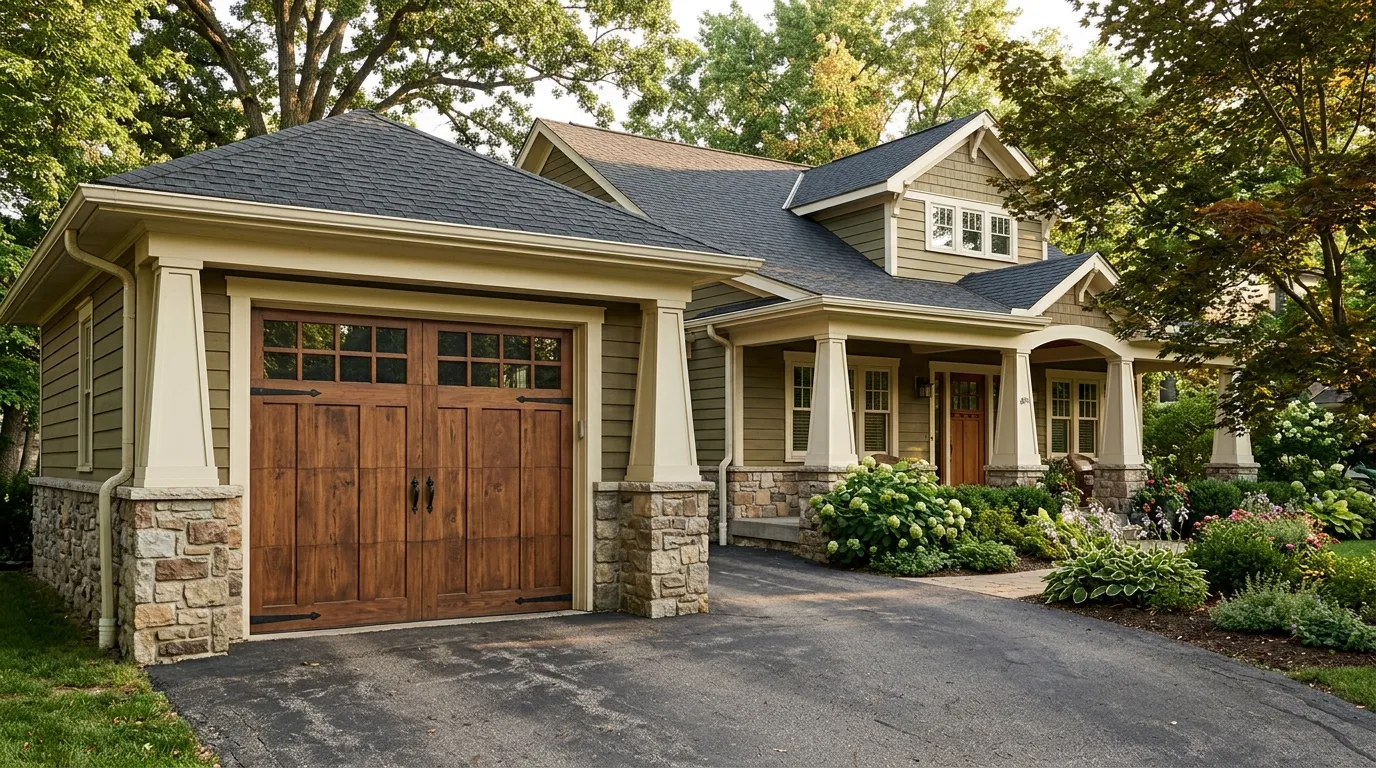
Johnstown's housing stock is young by garage door standards - most of it built after 2007 - which means the original hardware is still original, not replaced once already the way it might be in an older neighborhood. With 6,594 households in town, a lot of those builder-grade rollers are hitting the same age wall at roughly the same time, which is why this call has gotten more common lately rather than less. Add the cold, harsh winters this part of the state gets and you've got the second half of the problem: plastic rollers get brittle in cold, and the freeze-thaw cycle works on the stem where it meets the roller wheel. That combination - a 2000s-built door and a cold winter - is what turns a quiet roller into a grinding one by January. It's not a defect specific to any one builder; it's what that generation of standard-issue roller does on this timeline in this climate.