How Long It Takes
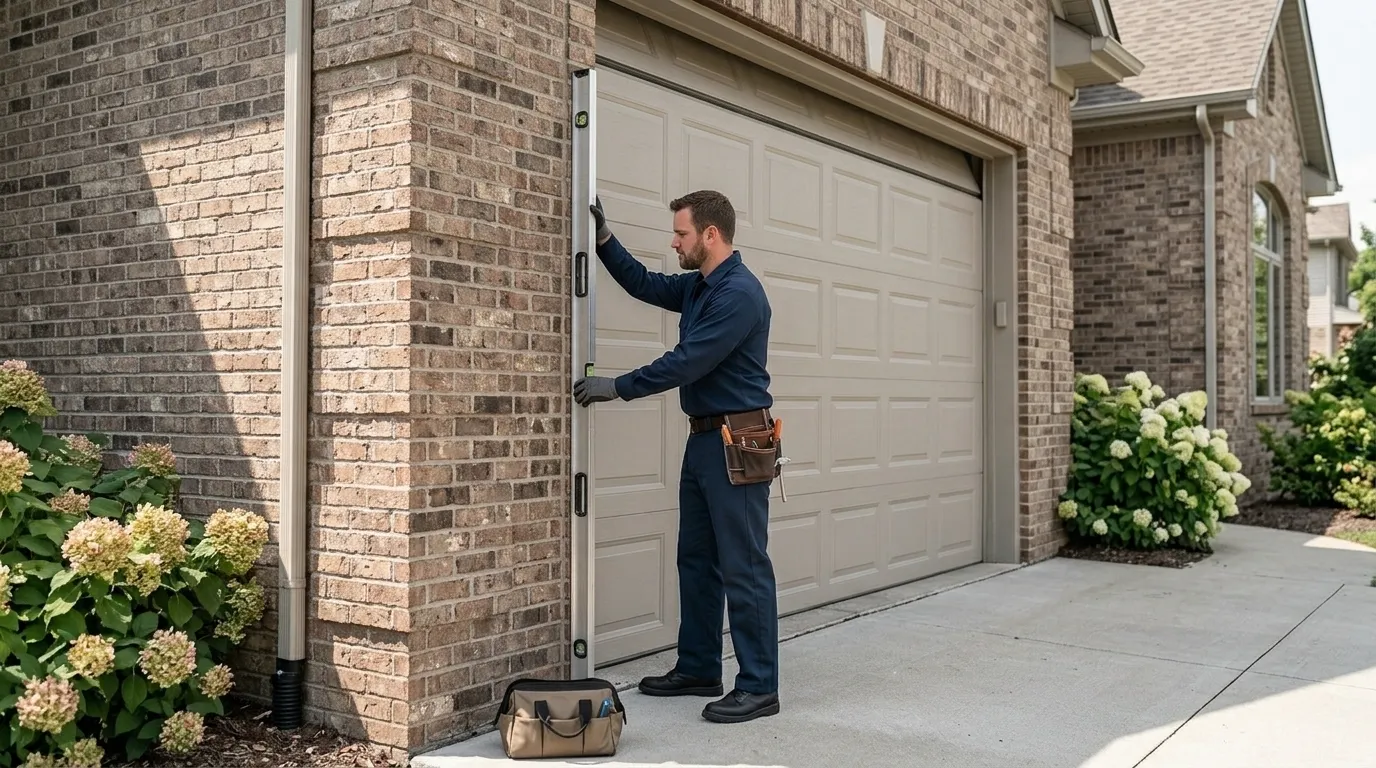
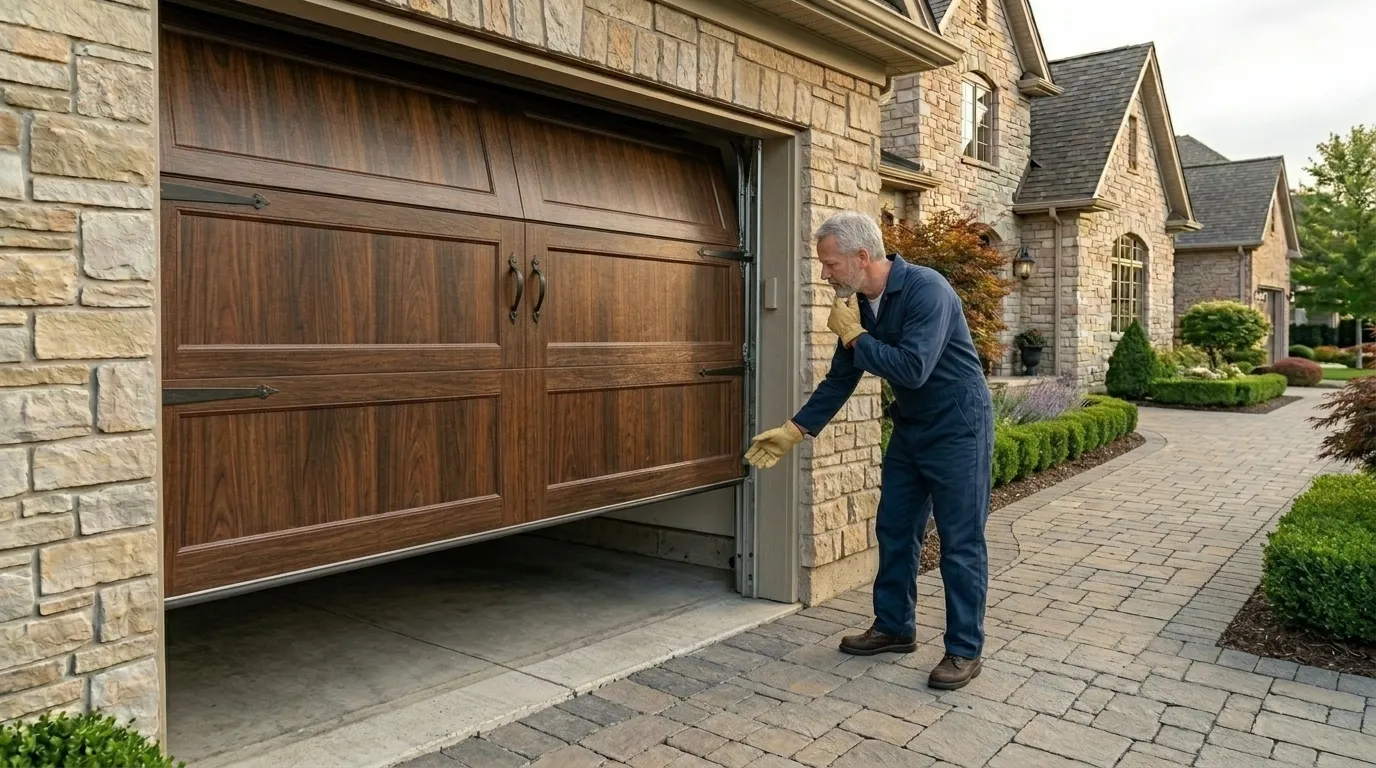
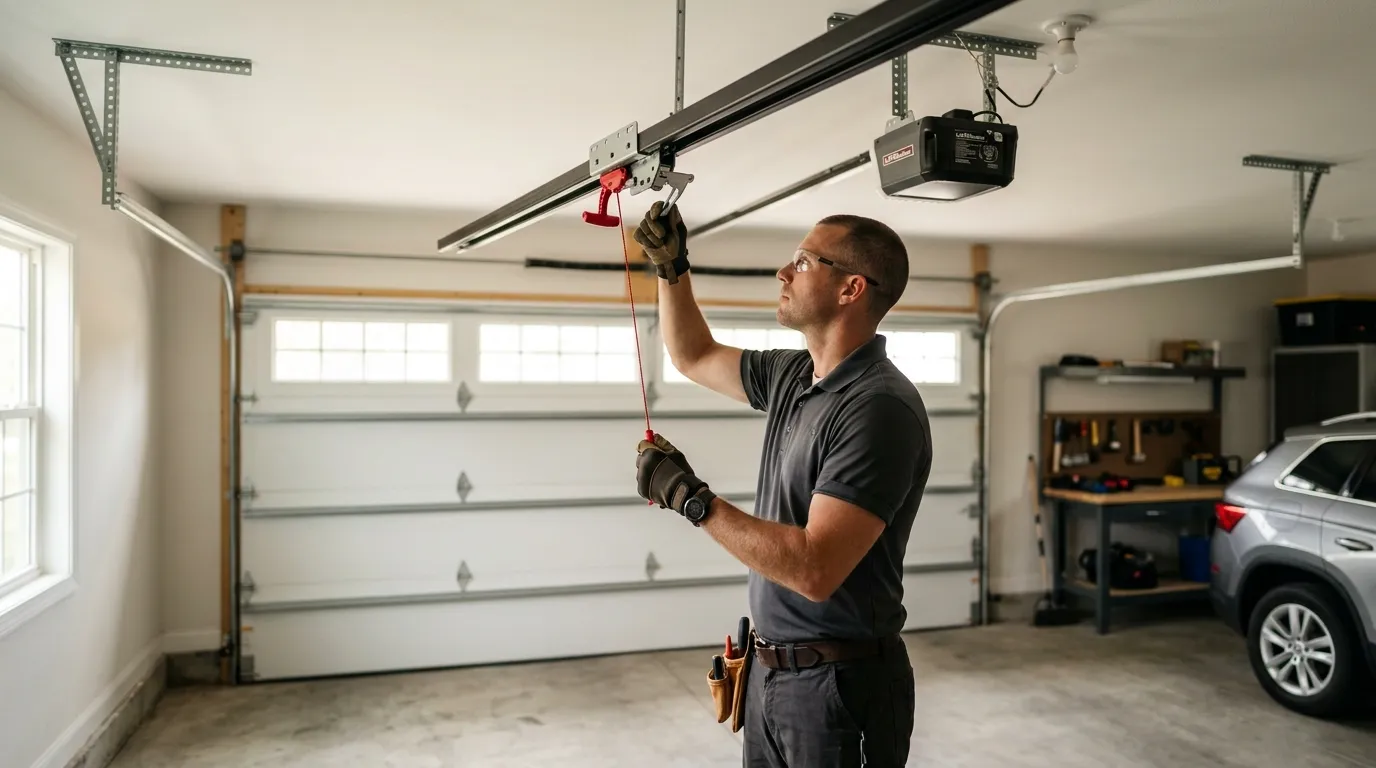
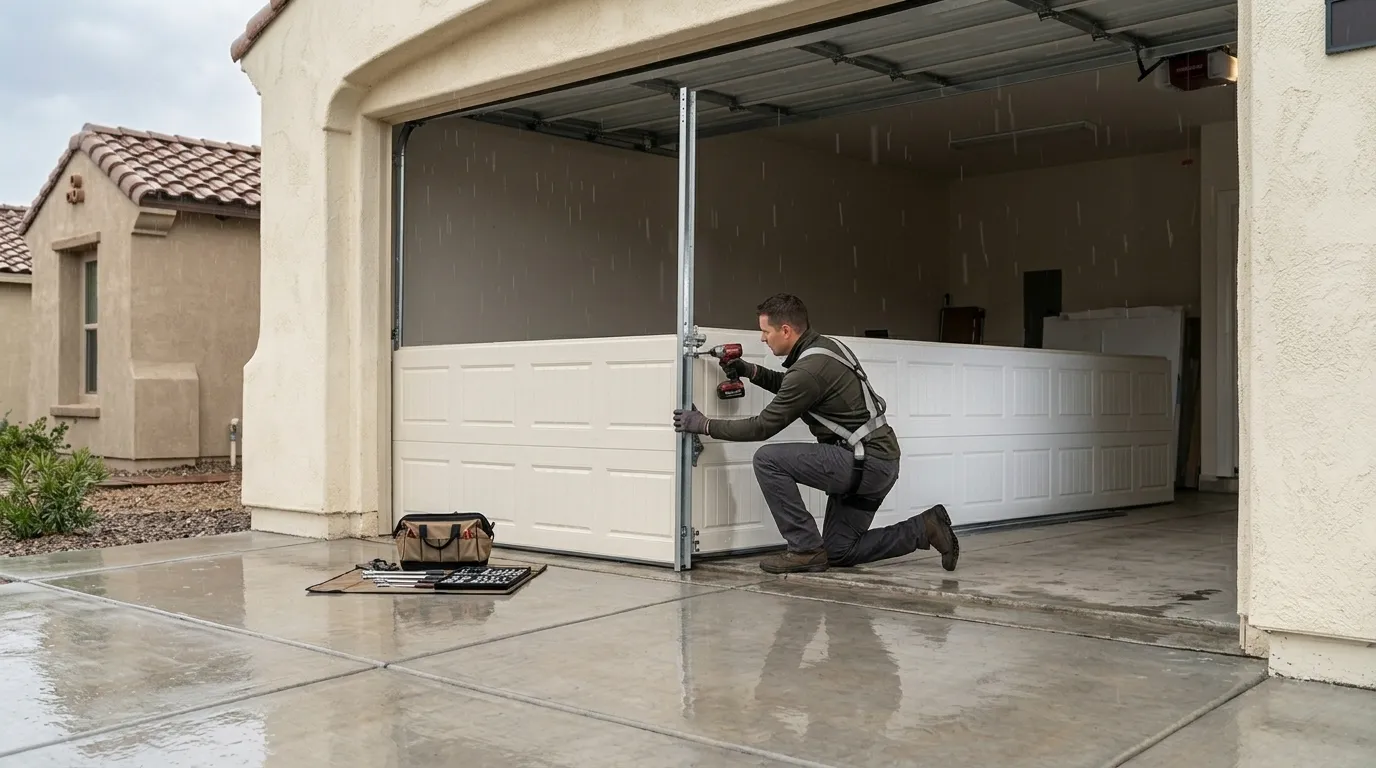
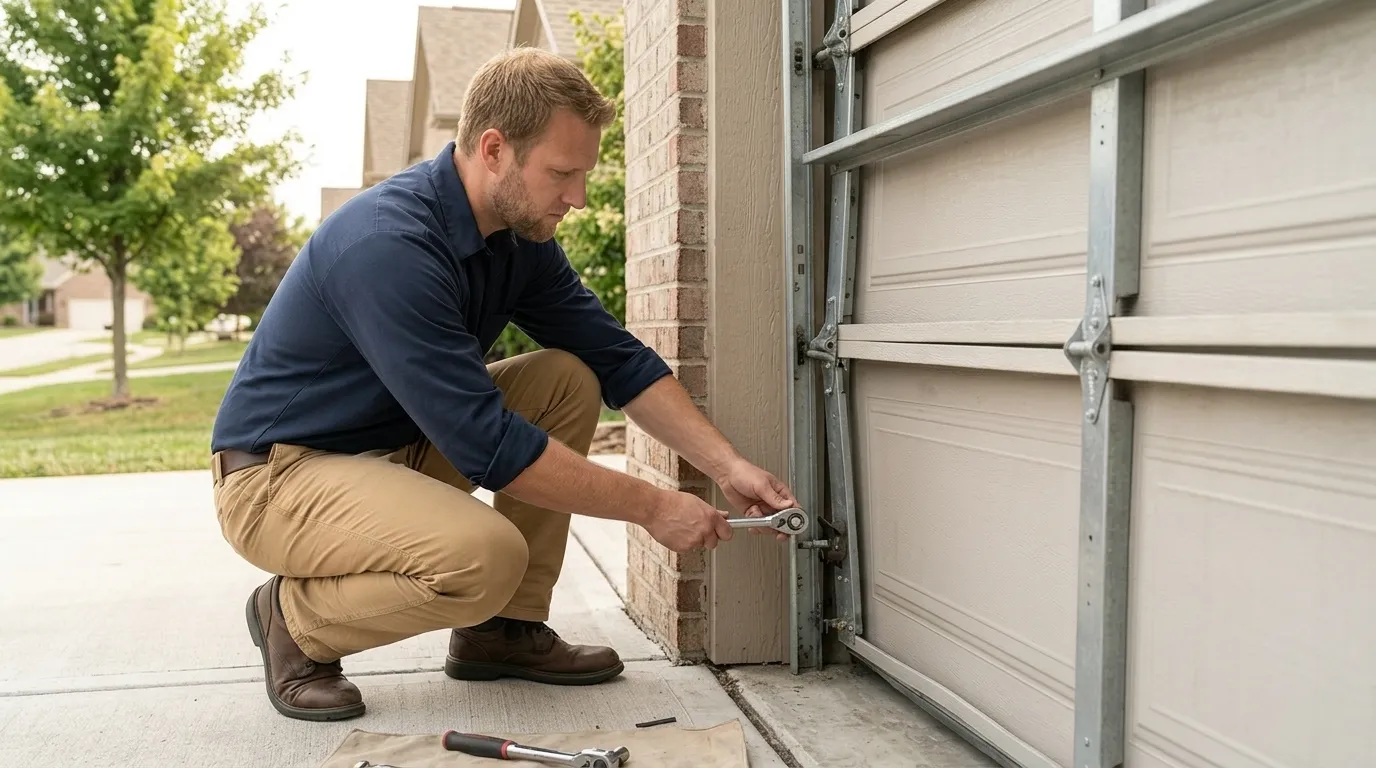
A standard maintenance visit - spring check, track and roller inspection, hardware torque, opener safety test, lubrication - runs about the same length of time whether the door is in Loveland or out here. What changes for Johnstown is the drive: we're coming from about 11 miles away, so that travel gets built into scheduling rather than something we can squeeze in same-hour. Book ahead where you can. If the visit turns up a part that needs replacing - a roller, a cable, a sensor - that's usually a second trip unless we're carrying the part already, which brings us to the truck.
What Is on the Truck
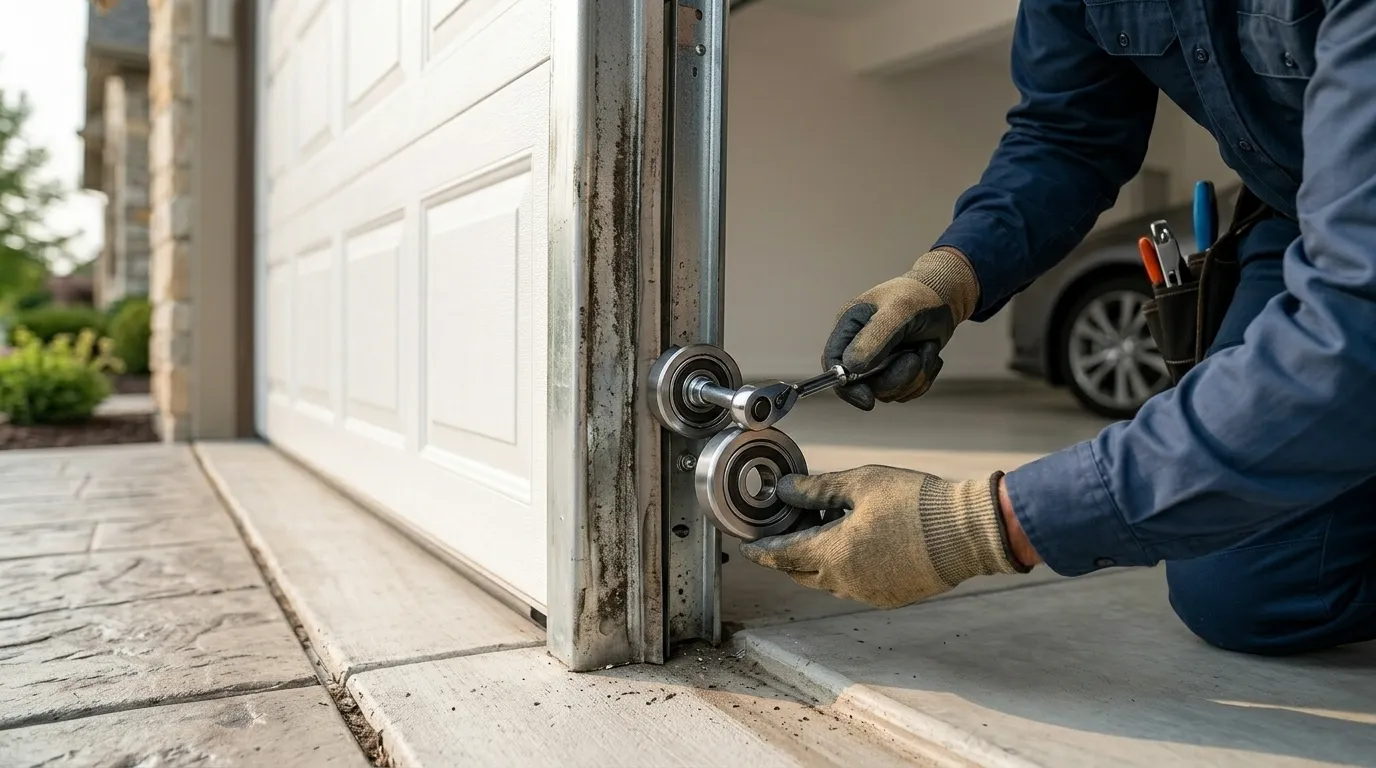
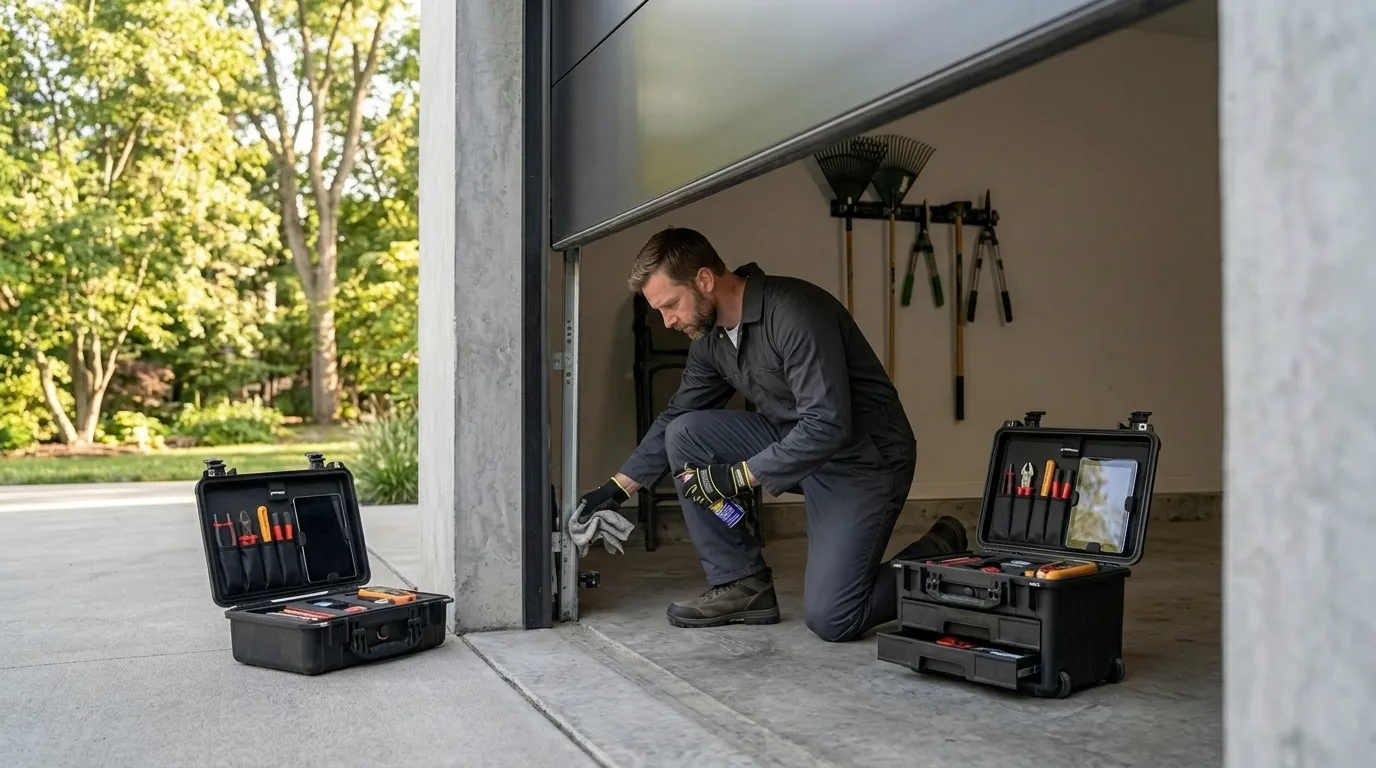
We carry the parts that fail most on houses built in this era: nylon rollers, standard-size torsion springs sized for a typical two-car door, safety sensor pairs, and the common belt and chain-drive opener hardware. What we don't always carry is anything oversized or custom - a few Johnstown builds run wider doors or heavier insulated panels than the standard stock, and those parts sometimes have to be ordered rather than pulled off the shelf. If your door is one of those, we'll tell you on the spot rather than pretend we can finish in one visit.
Why It Happens Here
This stretch of the Front Range sits in a severe cold climate band, and that's the real driver behind most of what fails on a 2000s-era door. Steel contracts in the cold. Grease that was fine in August turns thick and slow by December, and a spring that's already lost a little tension from age has to work harder to lift a door in single-digit mornings. On a house built in 2007, that hardware has now gone through close to two decades of that cycle without most owners ever opening the housing to look. It's not damage from misuse. It's just what cold does to metal and lubricant over time, and a yearly check catches it before the spring does the failing for you.